 Save
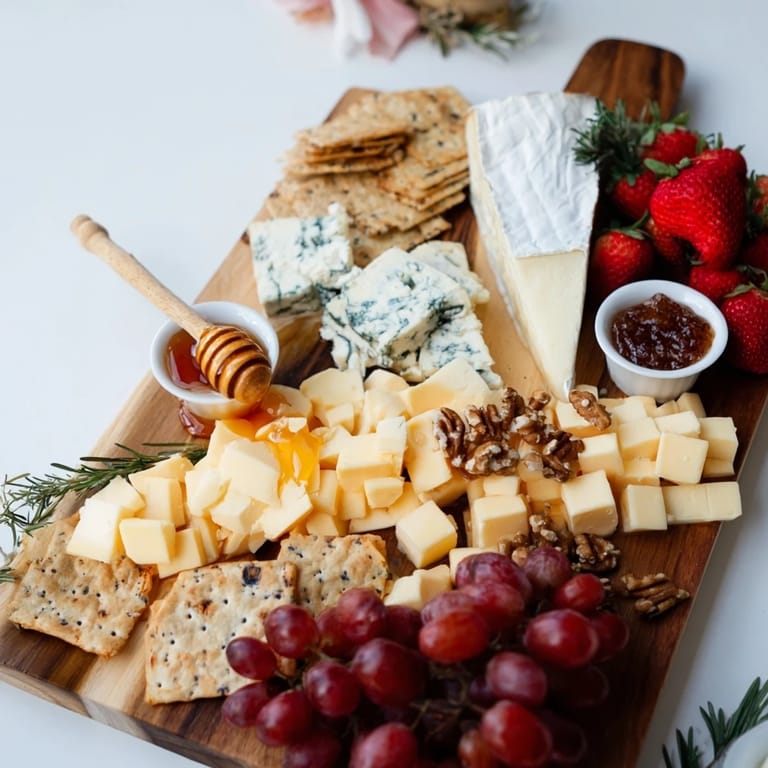
Save I discovered the magic of a cascading grazing board at a dinner party where my friend swapped the usual flat arrangement for something bolder—ingredients tumbling off the table's edge like an edible waterfall. What started as a nervous experiment became the centerpiece everyone circled around, picking from both the board and the table below with genuine delight. That moment taught me that presentation isn't just about looking beautiful; it's about creating an experience that feels abundant and playful. Now whenever I build one of these boards, I remember that intentional spill, and how it changed the way guests interact with food.
I made this board for a bridal shower last spring and watched my aunt's face light up when she realized the cascade wasn't accidental—it was intentional design. She grabbed a piece of brie that had tumbled onto the tablecloth and laughed, saying it felt like permission to be messy and elegant at the same time. That's when I understood these boards work because they invite people to engage, to reach, to break the usual rules of polite eating. The conversations that happen around a living, flowing table of food run deeper than those around a neat plate.
Ingredients
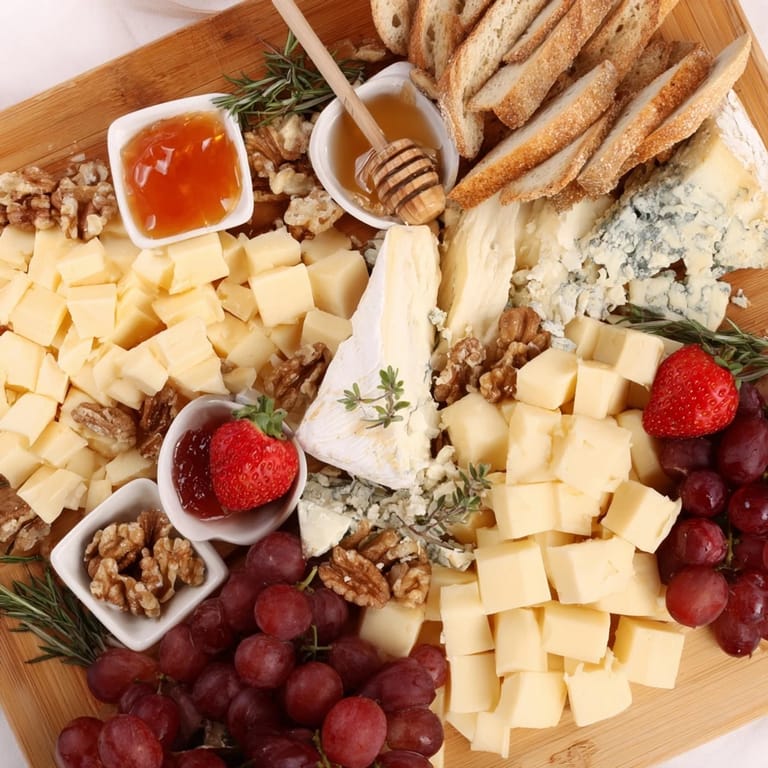
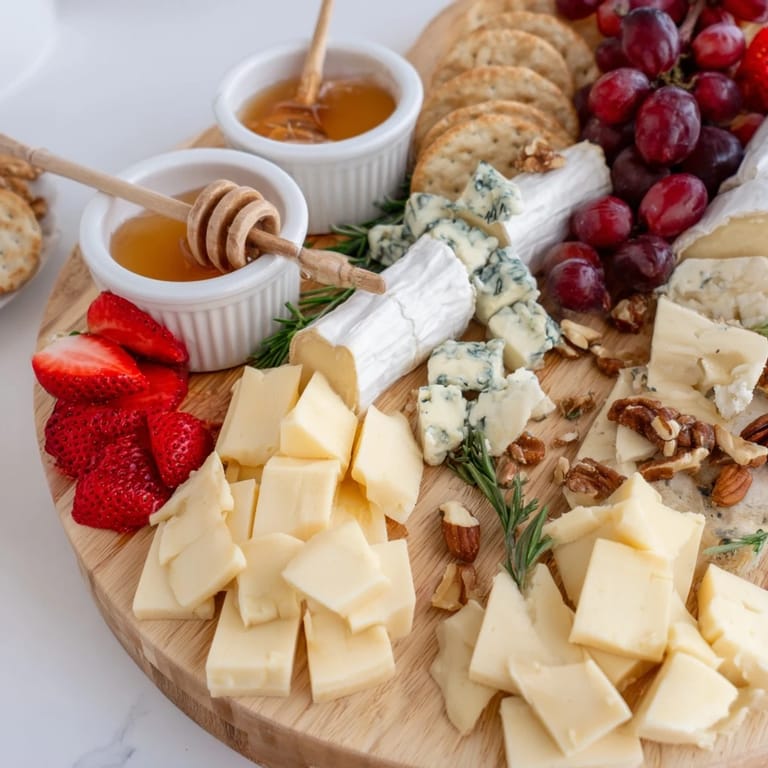
- Brie, sliced (150 g): Choose one with a creamy center that's slightly soft to the touch—it'll drape beautifully over the edge and stay cohesive even as it warms slightly.
- Aged Cheddar, cubed (150 g): The sharpness cuts through rich elements and the cube shape stacks naturally for that waterfall effect without crumbling.
- Blue cheese, crumbled (100 g): A little goes a long way; its bold flavor anchors the board and the crumbles nestle perfectly into gaps.
- Goat cheese, sliced (100 g): Tangy and creamy, it bridges the gap between your sweet and savory elements and spreads easily on crackers.
- Prosciutto (100 g): Drape it loosely rather than folding tight; the delicate folds look effortless and catch the light beautifully.
- Salami, sliced (100 g): Choose a variety that's not too heavily spiced so it doesn't overpower the other flavors competing for attention.
- Red grapes in small clusters (1 cup): Keep them clustered rather than individual so they roll down the board with intention, not chaos.
- Strawberries, halved (1 cup): Slice them just before assembly so they stay fresh and their juices don't weep onto the cheese.
- Blueberries (1/2 cup): These tiny gems fill awkward gaps and their color creates visual contrast without extra effort.
- Pear, thinly sliced (1): Toss the slices in a tiny bit of lemon juice the moment you slice them to prevent browning and add subtle brightness.
- Dried apricots (1/2 cup): Their sweetness and chewy texture offer relief from the richness, and they won't spoil if they sit for hours.
- Dried figs, halved (1/2 cup): They pair unexpectedly well with goat cheese and blue cheese—a discovery worth making on purpose.
- Almonds (1/3 cup): Raw or lightly toasted; they anchor texturally and add a subtle earthiness that balances sweetness.
- Walnuts (1/3 cup): Toast them gently if you have time; they become buttery and less bitter, especially near the honey.
- Baguette, sliced and toasted (1): Toast it yourself so you control the crunch; store-bought versions often feel stale within hours.
- Assorted crackers (150 g): Choose a mix of textures and shapes—some stand upright, some lean, creating visual rhythm.
- Honey (1/4 cup): Drizzle it strategically in pools so guests can dip and it creates a glossy, inviting visual.
- Fig jam (1/4 cup): This is your secret weapon; it pairs with nearly everything and adds jewel-toned color.
- Mixed olives (1/4 cup): Choose a variety if possible; the color variation makes the board feel more curated and less monochromatic.
- Fresh herbs, rosemary and thyme: Tuck sprigs between ingredients not just for flavor but for that farm-to-table visual that makes people trust your taste.
Tired of Takeout? 🥡
Get 10 meals you can make faster than delivery arrives. Seriously.
One email. No spam. Unsubscribe anytime.
Instructions
- Set Your Stage:
- Position your wooden or marble board so one end hangs slightly over the table edge, creating an obvious place for overflow. Clear the space below so nothing lands on anyone's lap, and lay down parchment paper to catch the intended spills and make cleanup effortless afterward.
- Build the Cheese Foundation:
- Start with the brie near the edge, letting slices overlap and extend past the board's boundary as if reaching for the table. Layer your cheddar cubes and crumbles of blue cheese in a loose pile, then fan out thin slices of goat cheese—this base gives everything else something to rest against and creates that first visual punch.
- Drape the Cured Meats:
- Fold prosciutto into soft, organic shapes and tuck them beside and slightly over the cheese, letting some pieces catch air as if they're mid-fall. Scatter salami slices in an overlapping pattern that mirrors the cheese—repetition in placement creates visual harmony even in controlled chaos.
- Cascade the Fresh Fruit:
- Nestle grape clusters so some grapes roll onto the table naturally; position strawberry halves cut-side-down for color impact. Layer in pear slices and blueberries, tucking them into gaps so they feel discovered rather than placed.
- Scatter Dried Fruits and Nuts:
- Tuck apricots and fig halves into crevices between fresh elements, then sprinkle almonds and walnuts across both the board and table. This creates a visual trail that guides the eye downward and makes the cascade feel intentional.
- Position Crackers and Toast:
- Stand some baguette slices and crackers vertically against cheese piles, lean others as if falling, and lay a few flat to create different heights. The angle and position matter more than the quantity—three positioned pieces read better than ten scattered randomly.
- Add the Finishing Elements:
- Place small ramekins of honey and fig jam on the board with a few olives clustered nearby; let a small trail of olives lead off the edge as if following the waterfall. This ties the visual narrative together and gives guests clear invitation points.
- Garnish and Serve:
- Tuck rosemary sprigs and thyme between ingredients for fragrance and visual interest, placing them last so they don't wilt. Serve immediately while cheeses are cool and fresh fruit is crisp, encouraging guests to explore both the board and the elements below.
 Save
Save My sister once said that a grazing board like this feels like abundance without pretension, and I've never forgotten that. It's the kind of food that says 'I'm glad you're here' without sounding formal about it, which is exactly why it's become my go-to for moments that matter—anniversaries, homecomings, quiet celebrations with people I actually want to linger with.
The Art of the Arrangement
Building a cascading board is less about precision and more about creating visual rhythm and flow. Think of it like composing music where some notes land on beat and others fall in between, creating interest through variation. Colors should balance—if you've used a lot of greens from herbs, echo that with grapes and crackers; if your reds feel heavy from brie and strawberries, bring in the cool tones of blue cheese and blueberries. The key is that nothing looks randomly thrown, yet nothing looks so arranged it feels sterile.
Pairing and Flavor Combinations
The magic of a mixed board isn't quantity but intentional pairing—each bite should feel like a small discovery. Brie with fig jam and a walnut feels like luxury on a budget; goat cheese with blueberry and almond feels surprisingly sophisticated; aged cheddar with salami and dried apricot feels like a flavor story that spans continents. Taste as you build, adjusting ratios so no single flavor dominates. Your guests will do the same, mixing and matching based on mood, which is exactly the point.
Making It Your Own
This board thrives on adaptation—use what you have and what you love. Swap cheeses based on season or availability; swap nuts for seeds if someone has allergies; add dark chocolate chunks if you're leaning sweeter; include fresh mozzarella or smoked gouda if that's what calls to you. The waterfall technique stays the same, but the story changes based on your choices.
- For a vegetarian version, simply omit the cured meats and add more nuts, seeds, or marinated vegetables like roasted peppers or artichoke hearts.
- Freeze grapes for an hour before serving to keep them fresh longer and give them a luxe, jewel-like quality.
- Make this board in early evening so sunset light catches the glossy honey drips and makes everything look like it's glowing.
 Save
Save A cascading grazing board is less about feeding people and more about creating a moment where everyone pauses, smiles, and reaches for something together. That shared abundance is what stays with people long after the last olive is gone.
Common Recipe Questions
- → How do I achieve the waterfall effect on the board?
Arrange ingredients in overlapping layers near the board’s edge, letting some elements spill over onto the table for a cascading look.
- → Can I prepare this board for vegetarian guests?
Yes, simply omit cured meats or substitute with plant-based cheese to keep the board vegetarian-friendly.
- → What accompaniments complement this grazing board?
Honey, fig jam, olives, and fresh herbs add sweet, savory, and aromatic notes to balance flavors.
- → How long does it take to assemble the board?
Preparation takes about 30 minutes with no cooking involved, making it a quick and elegant option.
- → What is the best way to serve the grazing board?
Serve immediately, encouraging guests to scoop from both the board and the ingredients cascading onto the table.