 Save
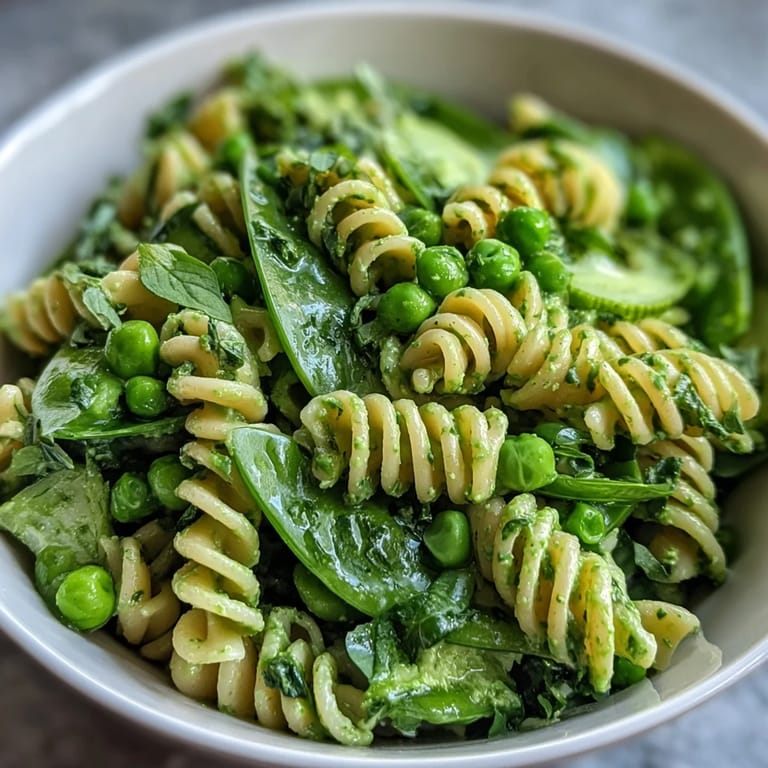
Save Last spring, my neighbor showed up at my door with an armful of fresh herbs from her garden—basil, parsley, chives—and I suddenly had no excuse not to use them. I'd been meaning to make something that celebrated that exact moment when winter finally releases its grip and everything tastes alive again. That afternoon, I threw together this pasta salad, and it became the thing I made every week until summer showed up.
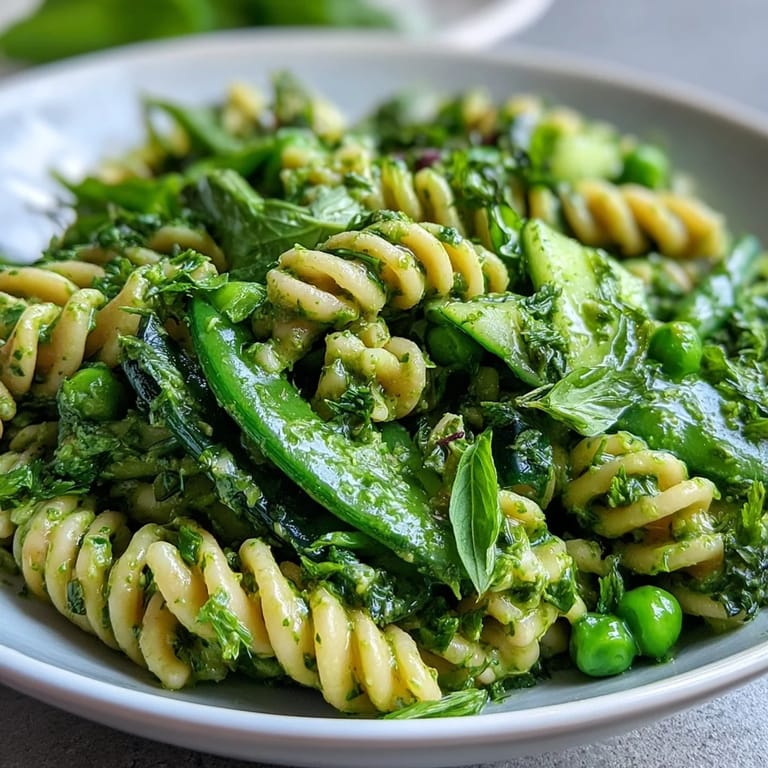
The first time I made this for a potluck, I was nervous about how it would travel. I packed the dressing separately and tossed everything together in my friend's kitchen, watching the pale pasta transform into this gorgeous spring green as the dressing coated it. People actually asked for the recipe, which never happens to me—it became the reason I started writing things down.
Ingredients
- Short pasta (fusilli, penne, or farfalle): Use whatever shape you have on hand, but the twists and curves catch the dressing beautifully so it doesn't all sink to the bottom of the bowl.
- Fresh or frozen peas: Frozen actually work wonderfully here since you're cooking them anyway, and they're picked at peak ripeness.
- Sugar snap peas: These add a satisfying crunch that makes each bite interesting, so don't skip them even though they cost a bit more.
- Cucumber: Slice it thin so it stays crisp and doesn't waterlog the salad as it sits.
- Baby spinach: The tender leaves wilt slightly into the warm pasta while still keeping some structure, creating a nice texture contrast.
- Spring onions: Their mild bite prevents the salad from tasting too creamy and one-note.
- Avocado: Wait to add this until right before serving or it'll turn an unappealing brown, which I learned the hard way at that same potluck.
- Greek yogurt: This is what makes the dressing creamy without feeling heavy—it's the secret weapon that changes everything.
- Fresh herbs (parsley, basil, chives, tarragon): Don't use dried herbs here; the whole point is that fresh, green flavor that tastes like spring actually happened in your kitchen.
- Lemon juice: This brightens the dressing and keeps the avocado from browning if you're lucky with timing.
- Pine nuts: Optional but worth toasting yourself if you have five minutes and the right state of mind.
Tired of Takeout? 🥡
Get 10 meals you can make faster than delivery arrives. Seriously.
One email. No spam. Unsubscribe anytime.
Instructions
- Get the pasta ready:
- Boil a pot of salted water and cook your pasta until it's just barely tender, then throw in the peas and sugar snap peas in the last couple of minutes so they stay bright and crisp. Drain everything and run it under cold water while you rinse out the pot—this stops the cooking and prevents a mushy mess.
- Make the green goddess magic:
- While the pasta cools, blend together your yogurt, mayo, herbs, lemon, garlic, oil, salt, and pepper until it's smooth and an actual vibrant green color. Taste it and adjust—sometimes you need more salt, sometimes more lemon, and that's completely normal.
- Assemble the components:
- Toss your cooled pasta with the cucumber, spinach, spring onions, and everything else except the avocado in a big bowl. This is the moment where you can stop and have a light dinner, or keep going.
- Bring it all together:
- Pour that beautiful green dressing over everything and toss gently so you're coating without crushing the delicate vegetables. The dressing will look like too much at first but it gets absorbed as the salad sits.
- Finish and serve:
- Just before eating, fold in the avocado so it stays pretty and green, then scatter pine nuts and extra herbs on top. Serve it cold or let it come to room temperature, depending on your mood and the weather.
 Save
Save There was an evening last May when my daughter came home talking about how she'd eaten nothing but processed foods at school all day. I pulled together this salad, and she actually asked for seconds without any convincing—something shifted in her face when she tasted it, like she'd remembered what real food was supposed to taste like. That's when I realized this wasn't just a salad recipe, it was an answer to something I couldn't quite name.
Why Fresh Herbs Matter More Than You Think
The difference between this salad made with fresh herbs and one made with dried is genuinely dramatic. Fresh basil, parsley, and chives contain volatile oils that make your mouth wake up, while dried herbs taste like they've been on a shelf since 2019. If you have even a tiny windowsill or a corner of a garden, grow your own parsley and chives—they come back every spring without asking for much. When you pick them yourself and use them within hours, the dressing tastes like you've bottled spring itself.
The Avocado Timing Problem
I've learned through multiple failed attempts that avocado and sitting around don't get along. The moment avocado is cut, oxygen starts turning it brown, and browning is just ugliness starting from the inside out. My solution: prep everything else completely, then add the avocado literally as you're about to serve it. If you're making this for a party, pack the avocado separately and have someone add it at the last second, or just leave it out entirely and nobody will miss it because the salad is already good.
Make It Your Own
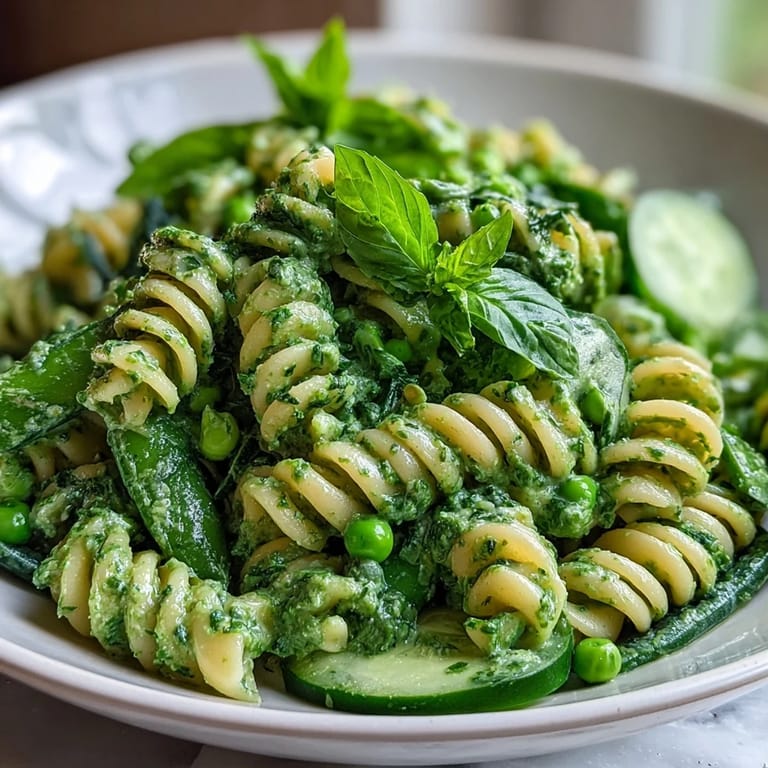
This recipe is a starting point, not a prison sentence. I've made it with grilled chicken when I needed more protein, swapped Greek yogurt for cashew cream for a dairy-free version, and thrown in roasted asparagus tips when peas weren't in season. The structure holds—the dressing is what matters, and the dressing loves almost any vegetable you throw its way. The version that looks most beautiful is always the one that uses whatever produce is actually at its peak when you're cooking.
- Add chickpeas or grilled chicken if you want this to be a complete meal instead of a side dish.
- Swap sugar snap peas for asparagus tips or radishes if you want something different but equally spring-like.
- Make extra dressing because you'll want it on tomorrow's salad, roasted vegetables, or honestly just a spoon.
 Save
Save This salad became my answer to that feeling of wanting something good without feeling guilty, and it shows up on my table constantly. It's proof that simple ingredients treated with care actually taste better than anything complicated.
Common Recipe Questions
- → What type of pasta works best?
Short pasta varieties like fusilli, penne, or farfalle hold the dressing well and provide a pleasing texture.
- → Can I use frozen peas?
Yes, fresh or frozen peas can be added during the last minutes of cooking for sweetness and texture.
- → How should the green goddess dressing be prepared?
Blend Greek yogurt, mayonnaise, fresh herbs (parsley, basil, chives, optional tarragon), lemon juice, garlic, olive oil, salt, and pepper until smooth and vibrant green.
- → Are there suggested garnishes?
Toasted pine nuts and extra chopped herbs like parsley, chives, and basil enhance flavor and add crunch.
- → Can this dish be served cold?
Yes, it can be served chilled or at room temperature, making it flexible for different occasions.
- → How to add protein to this dish?
Incorporate sliced grilled chicken or chickpeas for extra protein without altering the fresh flavors.