 Save
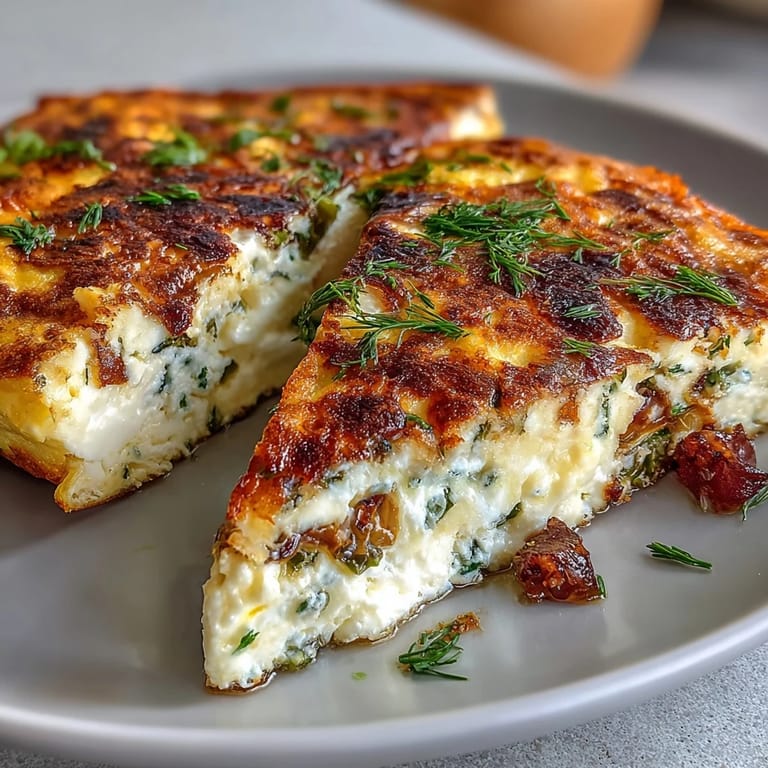
Save There's something about spring that makes me want to cook with my hands full of fresh herbs and barely any plan. One Saturday morning, I stood in front of my farmer's market haul—bright green asparagus, a wedge of creamy goat cheese, and a bunch of spinach that looked too good to waste—and decided a frittata was the answer. No fuss, no measuring twice, just eggs and vegetables coming together in one golden, fluffy pan while I sipped coffee and watched the kitchen light shift across the counter.
My neighbor dropped by just as I pulled this from the oven, and the smell must have been irresistible—she ended up staying for a slice and a glass of cold white wine. That's when I realized this frittata isn't just breakfast; it's the kind of dish that invites people in and feels like you've been cooking all morning when you've really only spent thirty minutes in the kitchen.
Ingredients
- Asparagus: Look for bright green spears that snap cleanly when bent; they'll stay tender without turning mushy in the oven.
- Red onion: The slight sweetness balances the earthiness of asparagus and won't overpower the delicate eggs.
- Baby spinach: It wilts down dramatically, so don't be shy with the handful; it's mostly water and air.
- Eggs: Room temperature eggs blend more smoothly, creating a fluffier texture than cold ones.
- Whole milk: This adds moisture and tenderness; skip it and your frittata risks becoming dense.
- Goat cheese: The tanginess is key—it cuts through the richness and adds a subtle complexity that makes people ask what's in it.
- Parmesan cheese: A thin layer on top creates that light golden crust everyone fights over.
- Fresh chives and dill: These herbs are bright, not aggressive; save half for garnishing so the flavor feels fresh at the end.
- Olive oil and butter: The combination gives you flavor from both; pure olive oil can taste bitter at higher heat.
Tired of Takeout? 🥡
Get 10 meals you can make faster than delivery arrives. Seriously.
One email. No spam. Unsubscribe anytime.
Instructions
- Heat your pan and soften the onion:
- Set your oven to 180°C first so it's ready when you need it. Warm olive oil over medium heat in your ovenproof skillet until it shimmers, then add the red onion and let it soften for a couple of minutes—you'll know it's ready when the raw bite disappears and it turns translucent.
- Build flavor with the asparagus:
- Add your asparagus pieces and stir occasionally for about five minutes, until they turn bright green and just begin to soften. The goal is tender-crisp; you'll finish cooking them in the oven, so don't overdo it now.
- Wilt in the spinach:
- Toss in your spinach and watch it collapse into nothing within a minute—this is exactly what you want, and it means you've made room for the eggs.
- Prepare your egg base:
- Whisk eggs with milk, salt, pepper, and most of your fresh herbs in a bowl; the mixture should be pale yellow and completely combined.
- Combine everything gently:
- Lower the heat to low, pour your egg mixture over the vegetables, and let it settle for a moment. Drop small pieces of goat cheese across the surface and sprinkle Parmesan on top—this creates little pockets of creaminess and a beautiful finish.
- Start the cooking on the stovetop:
- Leave the skillet undisturbed for four to five minutes; you're looking for the edges to set and turn slightly opaque while the center still wobbles a little. This gentle start prevents the bottom from browning too fast.
- Finish in the oven:
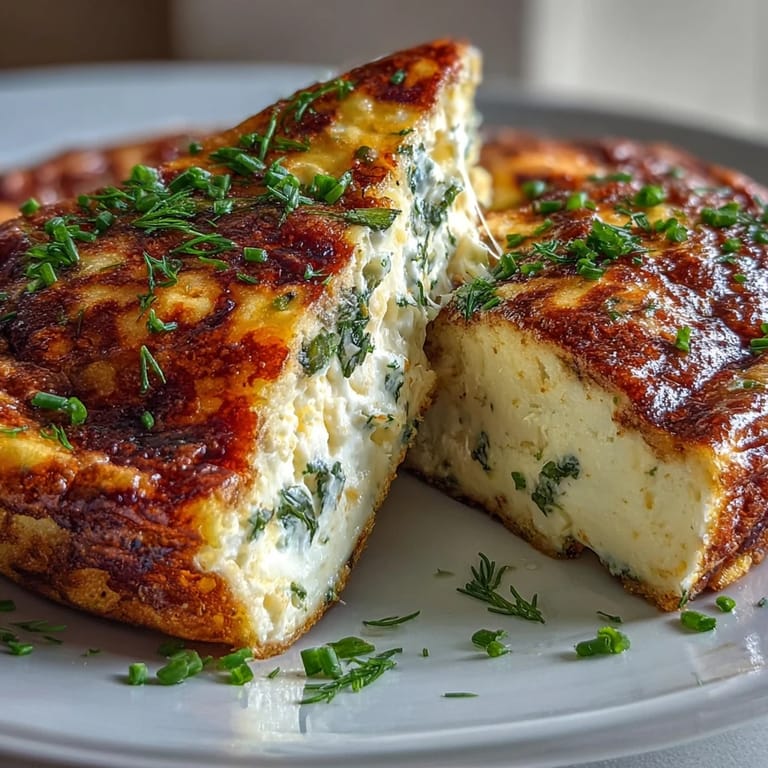
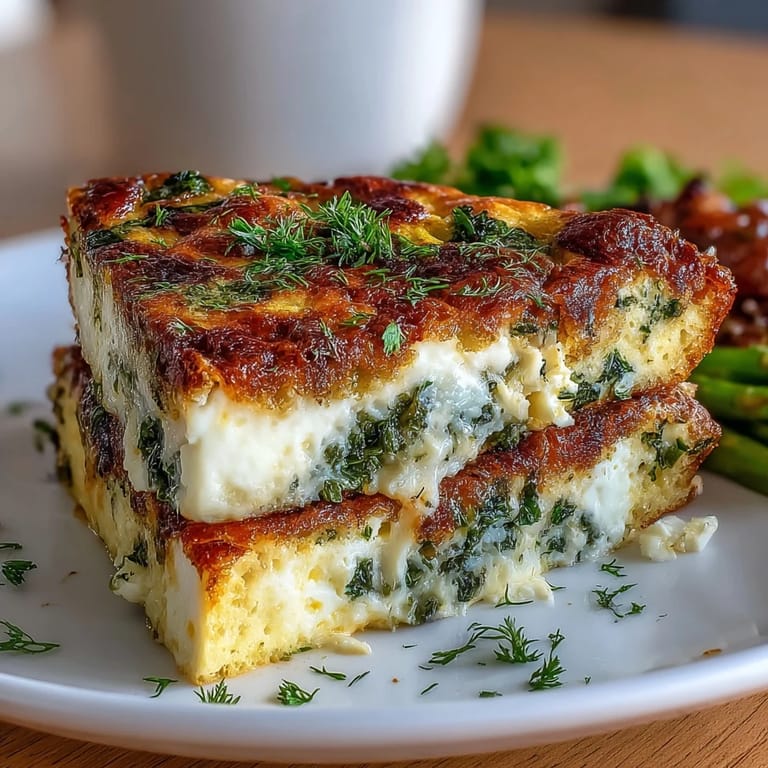
- Slide the whole skillet into your preheated oven and bake for ten to twelve minutes, until the center is just set but still tender and the top is lightly golden. A frittata continues cooking slightly as it cools, so pull it out just before it looks fully done.
- Rest and garnish:
- Let it sit for five minutes—this helps it firm up enough to slice cleanly. Scatter your reserved herbs and a pinch of red pepper flakes on top just before serving.
 Save
Save My daughter asked for this for her school bake sale fundraiser, and I almost laughed until I realized she was serious. We made three of them one evening, and they sold out before anything else—turns out people are hungry for real food that doesn't come from a box.
Why Spring Vegetables Matter Here
Spring is the only time asparagus feels truly alive—thinner, greener, with a delicate flavor that doesn't need to compete with anything. Using what's in season isn't just a cooking principle; it's the difference between something forgettable and something you crave again the next week. The sweetness of fresh asparagus plays against the tang of goat cheese in a way that frozen or out-of-season vegetables simply cannot match.
Serving and Pairing Ideas
Warm frittata with a simple green salad and crusty bread feels elegant enough for guests but relaxed enough for a quiet Sunday at home. I've found that the acidity of a crisp white wine or even a sparkling rosé cuts through the richness of the cheese and eggs, making each bite taste lighter than it actually is. The beauty of serving it at room temperature means you can make it hours ahead and slice it whenever hunger strikes.
Variations Worth Trying
Once you understand how this frittata works, you can swap vegetables and cheeses without worry—it's a framework, not a rigid rule. Feta brings a sharper, saltier edge that works beautifully with leeks or peas, while ricotta creates a softer, almost cloud-like texture. The technique stays the same; only your ingredients change, which means you can make this work for whatever you find at the market or have hiding in your refrigerator.
- Try adding fresh peas, thinly sliced leeks, or mushrooms depending on what looks good at your market.
- Feta or ricotta can replace goat cheese if you want a different flavor profile or have what you need on hand.
- A tiny pinch of nutmeg whispered into the egg mixture adds a subtle warmth that no one can quite identify but everyone notices.
 Save
Save This frittata taught me that the best meals aren't about complexity; they're about respecting your ingredients and not overthinking things. Make it once and you'll find yourself reaching for it again whenever you want something that feels both effortless and a little bit special.
Common Recipe Questions
- → How do I ensure the vegetables are perfectly cooked?
Sauté the red onions until softened before adding asparagus, cooking until just tender, then add spinach last to wilt gently. This sequence preserves texture and flavor.
- → Can I substitute goat cheese with other cheeses?
Yes, feta or ricotta are excellent alternatives that offer different but complementary creamy flavors to the dish.
- → What skillet type works best for this dish?
Use a nonstick or cast iron ovenproof skillet between 25–28 cm in diameter to ensure even cooking and easy transfer to the oven.
- → How is the frittata cooked evenly through?
First cook gently on the stovetop until the edges begin to set, then transfer to a preheated oven to finish cooking and achieve a light golden top.
- → What herbs complement this frittata?
Fresh chives and dill bring brightness and fresh aroma that enhance the delicate flavors of asparagus and goat cheese.