 Save
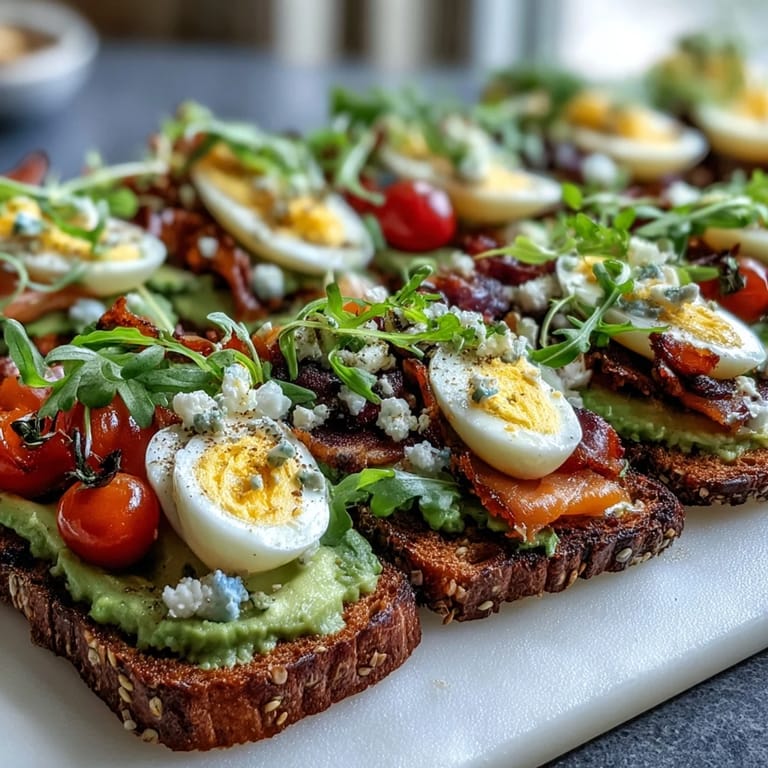
Save Last spring, my neighbor knocked on my door with a bag of the most beautiful avocados I'd ever seen, and we ended up throwing together this board on a whim for a lazy Saturday brunch. The kitchen filled with the smell of toasting sourdough while we sliced cucumbers and radishes, laughing at how simple it felt to create something that looked like we'd been planning it for days. That morning taught me that the best meals aren't always about following recipes perfectly—sometimes they're just about gathering good ingredients, good people, and letting everyone build their own story on a slice of bread.
I made this for my sister's book club once, and watching six women gather around the board picking and arranging their perfect combinations was pure joy—no one touched their phone for twenty minutes. There's something about the act of building your own food that makes people slow down and actually taste what they're eating. It became less about the meal and more about the moment of connection happening right there on my kitchen island.
Ingredients
- Rustic sourdough or multigrain bread (1 loaf, sliced): The bread is your foundation, so choose something with real texture and flavor—dense enough to support toppings without falling apart, but toasted crispy enough that it won't get soggy under the avocado and salmon.
- Ripe avocados (3): This is where patience matters; you want them soft enough to mash easily but not so ripe they turn to brown mush, and the lemon juice keeps them bright and prevents that sad oxidized look.
- Fresh lemon juice (1 tablespoon): Beyond preventing browning, this adds a subtle brightness that makes every other flavor pop without screaming lemon in your face.
- Sea salt (1/2 teaspoon) and black pepper (1/4 teaspoon): Season the avocado generously enough that you taste the seasoning, not just the avocado, because bland avocado toast is a genuine tragedy.
- Smoked salmon (200 g): This is your protein anchor, and the smokiness plays beautifully against creamy avocado and bright fresh vegetables—buy from somewhere you trust because quality really shows here.
- Cherry tomatoes (150 g, halved): The sweetness of halved tomatoes works better than sliced because it concentrates the flavor and looks intentional on the board.
- Cucumber (1, thinly sliced): Keep the skin on for color and nutrition, and slice it just before serving so it stays crisp and doesn't weep onto the board.
- Radishes (4, thinly sliced): They add peppery crunch and a gorgeous color that catches everyone's eye first, plus they won't get soft or soggy no matter how long they sit.
- Red onion (1/4 small, thinly sliced): A little goes a long way with raw onion, but those sharp, slightly sweet notes are essential for cutting through the richness.
- Capers (2 tablespoons, drained): These briny bursts add sophistication and a salty punch that makes people ask what that flavor is.
- Fresh dill and chives (2 tablespoons dill, 1 tablespoon chives): Fresh herbs are non-negotiable here—they're what transform assembled ingredients into something that feels thought-out and special.
- Baby arugula or mixed greens (50 g): A small handful of greens adds nutrition and another layer of texture, plus they look beautiful scattered across the board like you know what you're doing.
- Hard-boiled eggs (4, optional): These add protein and create a visual break on the board, especially nice if you're feeding people who want more substance.
- Flaky sea salt, red pepper flakes, olive oil, and everything bagel seasoning (optional): Let guests finish their own toast with these, so they control exactly how much seasoning and richness each bite gets.
Tired of Takeout? 🥡
Get 10 meals you can make faster than delivery arrives. Seriously.
One email. No spam. Unsubscribe anytime.
Instructions
- Toast your bread until it's golden and crisp:
- You want that deep golden color and audible crunch when you bite into it, because the warmth also helps the avocado spread more easily without tearing the bread. Arrange the warm slices on your largest board or platter in a way that leaves plenty of room for the other components to breathe.
- Make your avocado base:
- Cut the avocados in half, scoop into a bowl, and mash with a fork until you still see some chunks—the texture should feel creamy but intentional, not baby food smooth. Squeeze that lemon juice in immediately and fold it through with the salt and pepper, tasting as you go because seasoning is where avocado toast either sings or falls flat.
- Arrange the salmon with intention:
- Fold the smoked salmon into loose ribbons and distribute them across the board in a way that looks generous but not chaotic. The visual presentation here is honestly half the appeal, so take a breath and let it look like you meant it to look this way.
- Set out all your fresh toppings:
- Place the tomatoes, cucumber, radishes, red onion, capers, dill, chives, and greens in small piles or shallow bowls around the board, creating little pockets of color and flavor. This is where the board becomes interactive—people should be able to see what's available without searching, and feel excited by the options in front of them.
- Add the optional finishing touches:
- Arrange the sliced hard-boiled eggs if you're using them, and leave small dishes of flaky salt, red pepper flakes, olive oil, and everything bagel seasoning where people can reach them easily. These are the seasoning adjustments that let everyone personalize their toast to their exact preference.
- Let your guests assemble their own creations:
- The magic happens when people build their own toast—spread the avocado, layer on the salmon, add their favorite toppings, and finish with whatever seasoning speaks to them in that moment. You've done the work; now sit back and let everyone else have the fun of creating something uniquely theirs.
 Save
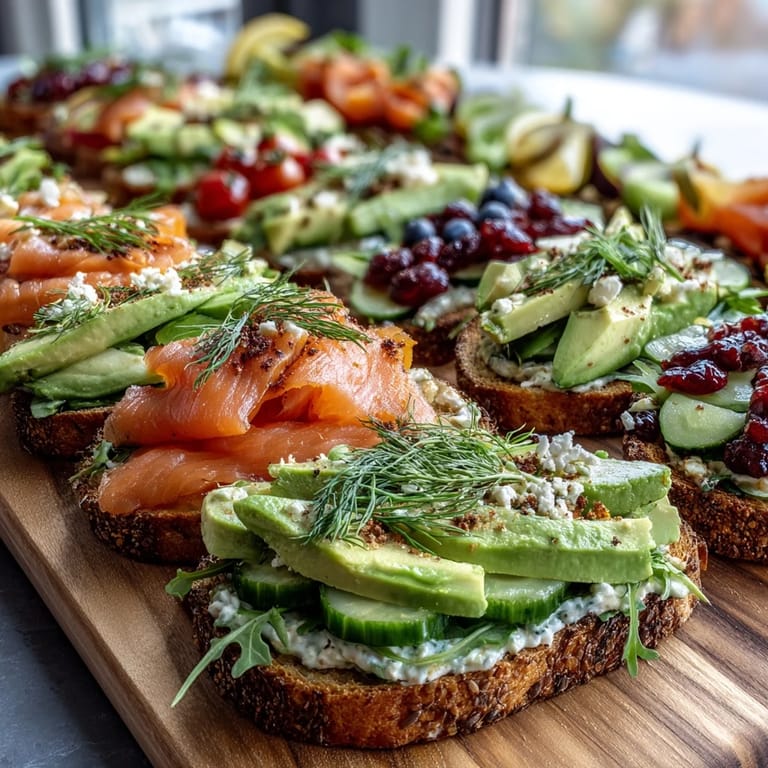
Save There was a moment during that book club brunch where someone asked if they could make this for their kids, and then someone else mentioned bringing it to their dad's birthday, and suddenly I realized this board had become this beautiful thing that gets passed around between people. Now when I make it, I think about how food like this doesn't just nourish your body—it opens space for people to slow down together and feel cared for without anyone having to stress.
Building a Board That Actually Gets Eaten
The secret to a good brunch board isn't having every possible topping—it's choosing things that actually taste good together and won't turn into a watery mess after sitting out for thirty minutes. I learned this the hard way by putting too many delicate greens on one board and watching them wilt into sadness, so now I keep the sturdy vegetables front and center and save the tender herbs for last-minute additions. The radishes and tomatoes won't soften, the capers will stay briny, and the salmon won't dry out, so you're building something that's actually better after twenty minutes than it was at the start.
Making This Work for Different Diets
The beauty of a board is that it's naturally adaptable without feeling like you're making separate meals for separate people. Swap the smoked salmon for smoked trout if that's what you have, or skip the protein entirely and let the capers and hard-boiled eggs carry that richness for vegetarian guests. If gluten-free is needed, that's just a different bread choice and nothing else changes, so no one has to feel like they're eating something different—they're just building from a different set of options.
Pairing and Serving
This is the kind of meal that deserves something crisp and bright alongside it—a sparkling wine, a cold glass of fresh-squeezed juice, or even just excellent coffee if that's more your morning style. The board itself can sit out for forty-five minutes to an hour and still be completely delicious because none of the components are fighting each other or breaking down. If you're feeling fancy, scatter some microgreens across the top at the last second, or add a small bowl of pickled onions for people who want an extra punch of acidity and brine.
- Squeeze extra lemon over your assembled toast right before you eat it—that final brightness is what transforms good into memorable.
- Don't be shy with the olive oil drizzle; it's not decoration, it's part of the flavor profile.
- Toast an extra loaf's worth of bread and keep it warm, because people will definitely want seconds once they taste what they've created.
 Save
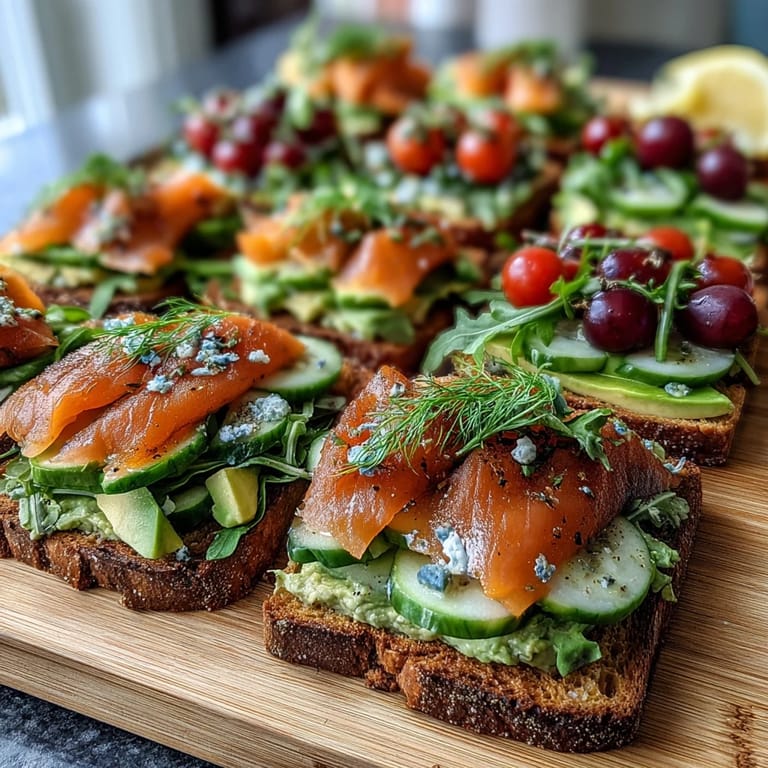
Save Making this board has become my favorite way to feed people because it's honest food that celebrates what's in season and lets everyone feel like they made something together. There's no stress, no timing disasters, just good ingredients and the joy of people building exactly what they want to eat.
Common Recipe Questions
- → What type of bread works best for the toast board?
Rustic sourdough or multigrain bread sliced and toasted until crisp offer sturdy bases and complement creamy avocado well.
- → Can I substitute smoked salmon with other proteins?
Yes, smoked trout provides a similar flavor, or omit proteins entirely for a vegetarian option.
- → How can I customize the toppings for different tastes?
Use a variety of fresh vegetables like cherry tomatoes, cucumber, radishes, and herbs such as dill and chives to suit preferences.
- → Are there any recommended serving suggestions?
Pair this board with crisp sparkling wine or fresh-squeezed juice to enhance the light and refreshing flavors.
- → What tools are needed to prepare the board?
A toaster or grill pan for the bread, a large serving board or platter, small bowls for the toppings, plus a sharp knife and cutting board.