 Save
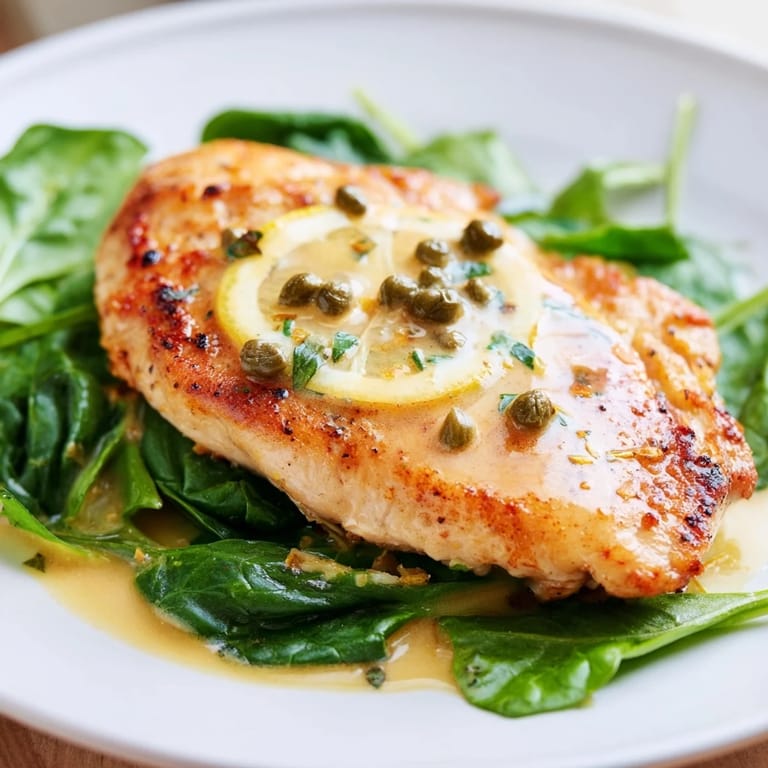
Save The smell of garlic hitting hot butter stopped me mid-conversation one Tuesday evening. My neighbor had invited me over for what she called "a quick dinner," and I watched her turn pale chicken breasts into something golden and glossy in under half an hour. The lemony steam curled up toward the ceiling, and when she plated it over a tangle of just-wilted spinach, I knew I had to learn it. I went home that night with scribbled notes on a grocery receipt, and by the weekend, I'd made it three times.
I made this for my sister the night before her job interview, thinking comfort food might calm her nerves. She ate two servings, then asked if I could teach her how to make it so she could impress her new coworkers someday. We stood side by side at the stove, and I showed her how to listen for the sizzle when the chicken hits the pan, how to smell when the garlic is just about to turn. She burned the garlic once, laughed, started over, and nailed it. Now she texts me photos every time she makes it, usually with a glass of white wine in the frame.
Ingredients
- Boneless, skinless chicken breasts (about 150 g each): Pounding them to half-inch thickness ensures they cook evenly and stay tender, no dry edges or raw centers.
- Salt and black pepper: Season generously before dredging so the flavor goes all the way through, not just on the surface.
- All-purpose flour or gluten-free flour blend: A light dusting gives the chicken a golden crust and helps the sauce cling like silk.
- Fresh baby spinach (400 g): It shrinks dramatically, so don't be alarmed by the mountain in your pan, it will wilt down to just the right amount.
- Olive oil: Used twice, once for the chicken and once for the spinach, it adds a fruity richness without overpowering the lemon.
- Garlic (4 cloves total): Minced fresh garlic is non-negotiable here, the jarred stuff just won't give you that same fragrant punch.
- Unsalted butter (3 tablespoons): Divided between searing and sauce-making, it adds body and a glossy finish that olive oil alone can't achieve.
- Lemon (1 large): Both juice and zest bring brightness, the zest has oils that make the whole dish smell like sunshine.
- Low-sodium chicken broth (150 ml): It deglazes the pan and picks up all those browned bits, which is where the deep flavor hides.
- Dijon mustard (1 teaspoon, optional): A tiny spoonful adds a subtle tang and helps emulsify the sauce so it coats the chicken beautifully.
- Capers (1 tablespoon, optional): Briny little bursts that cut through the richness, I almost always add them because they make it feel more grown-up.
- Fresh parsley: Chopped and scattered at the end, it adds color and a whisper of herbaceousness that balances the butter.
- Lemon slices (optional): For serving, they look pretty and give guests a chance to squeeze extra juice if they want more zing.
Tired of Takeout? 🥡
Get 10 meals you can make faster than delivery arrives. Seriously.
One email. No spam. Unsubscribe anytime.
Instructions
- Prep the chicken:
- Pat the cutlets completely dry with paper towels, moisture is the enemy of a good sear. Season both sides with salt and pepper, then dredge lightly in flour, shaking off any excess so you get a thin, even coat.
- Sear the chicken:
- Heat 2 tablespoons olive oil and 1 tablespoon butter in a large skillet over medium-high heat until shimmering. Add the chicken in a single layer, cook 3 to 4 minutes per side until golden and just cooked through, then remove to a plate and tent loosely with foil.
- Build the lemon butter sauce:
- Lower the heat to medium and add the remaining 2 tablespoons butter to the same pan. Toss in the minced garlic and sauté for 30 seconds until fragrant, then pour in the chicken broth, lemon juice, and zest, scraping up all those browned bits from the bottom.
- Finish the sauce:
- Stir in the Dijon mustard and capers if using, then simmer for 2 to 3 minutes until the sauce reduces slightly and tastes bright and balanced. Return the chicken to the skillet, turning to coat, and simmer gently for 2 minutes until heated through.
- Wilt the spinach:
- In a separate large skillet, heat 1 tablespoon olive oil over medium heat, add the minced garlic and cook for 30 seconds. Add the spinach and a pinch of salt, sauté for 1 to 2 minutes just until wilted, then remove from heat.
- Plate and serve:
- Arrange the wilted spinach on plates, top with the chicken cutlets, and spoon the lemon butter sauce generously over everything. Garnish with chopped parsley and lemon slices if desired.
 Save
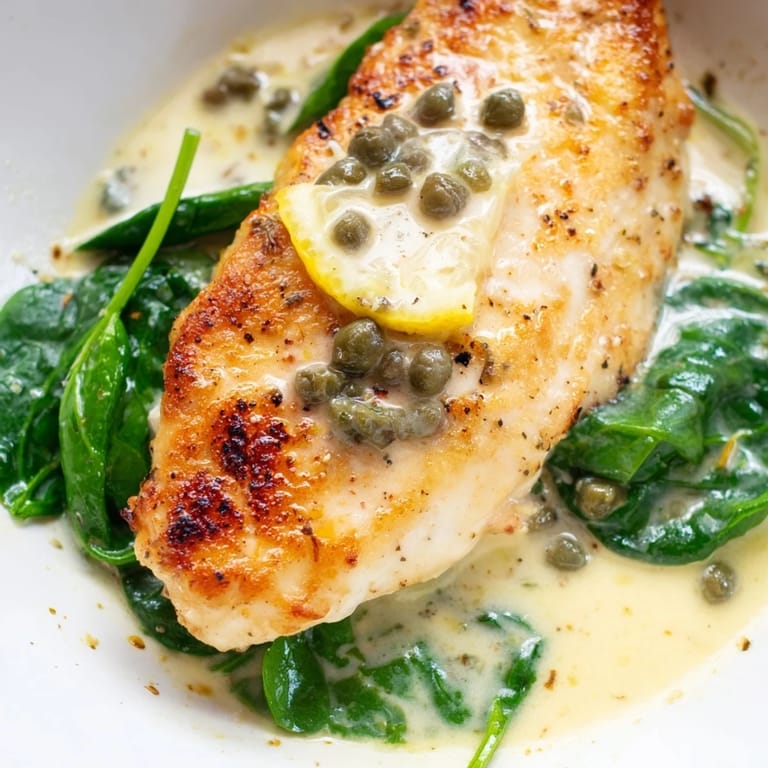
Save One night, I made this for a friend who'd just moved into a new apartment with nothing but a futon and a single skillet. We ate it sitting on the floor with the plates balanced on our knees, and she said it felt like the first real meal she'd had in weeks. The lemon butter soaked into the spinach, and we mopped up every drop with torn pieces of bread. She still calls it "the skillet chicken" and makes it whenever she needs to feel like she has her life together, even when she doesn't.
Serving Suggestions
This chicken is light enough to let the sauce shine, so pair it with something that can soak up all that lemony butter. I love it over buttered rice or creamy mashed potatoes, but crusty bread for dipping is honestly my favorite move. A crisp green salad with a simple vinaigrette keeps things fresh, or roasted asparagus if you want another vegetable that plays well with lemon. If you're feeling fancy, a glass of chilled Sauvignon Blanc echoes the citrus notes and makes it feel like a dinner party even on a Wednesday.
Make-Ahead and Storage
You can pound and season the chicken up to a day ahead, then keep it covered in the fridge until you're ready to cook. The sauce can be made in advance and gently reheated, just add a splash of broth if it thickens too much. Leftovers keep in an airtight container for up to three days, and I actually think they taste better the next day when the garlic has mellowed and the lemon has settled into everything. Reheat gently in a skillet over low heat with a tablespoon of broth or water to loosen the sauce, the microwave works in a pinch but the stovetop keeps the chicken from drying out.
Variations and Swaps
If you want extra richness, swirl a splash of heavy cream into the sauce at the end for a more indulgent finish. Swap the spinach for Swiss chard, kale, or even arugula, they all wilt beautifully and add their own personality. You can use chicken thighs instead of breasts if you prefer dark meat, just adjust the cooking time by a minute or two. For a dairy-free version, replace the butter with more olive oil and a squeeze of tahini for body, it won't taste the same but it'll still be delicious.
- Add a pinch of red pepper flakes to the garlic for a gentle kick that plays nicely with the lemon.
- Toss in halved cherry tomatoes during the last minute of sauce simmering for bursts of sweetness.
- Finish with a handful of grated Parmesan if you want a salty, nutty layer that melts into the sauce.
 Save
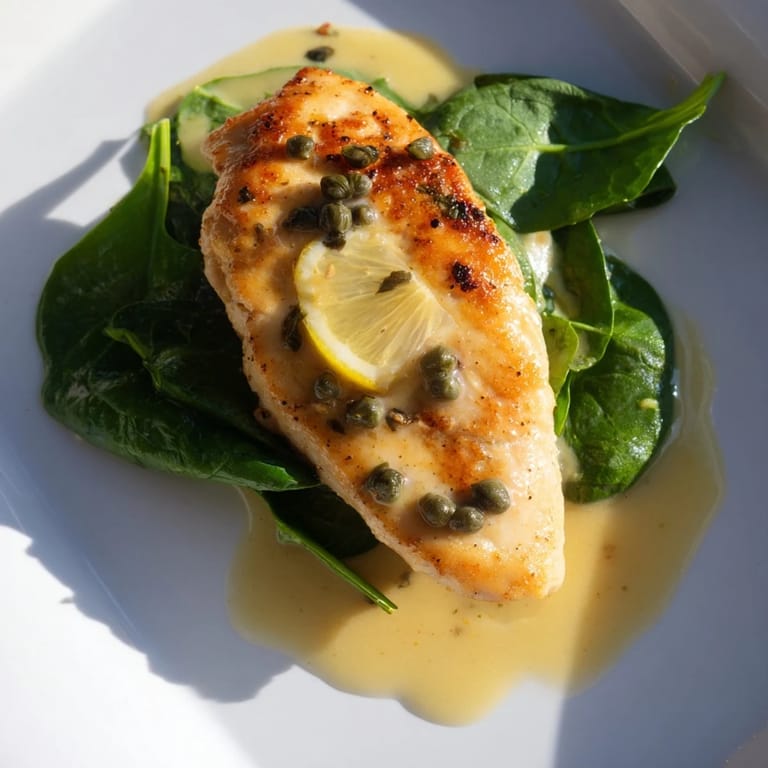
Save This is the kind of recipe that makes you feel capable, like you know what you're doing in the kitchen even if you're winging it. It's quick enough for a Tuesday, impressive enough for guests, and every single time I make it, someone asks me to write it down for them.
Common Recipe Questions
- → Can I use frozen chicken breasts?
Yes, thaw completely and pat dry before pounding. This ensures even cooking and proper browning on the pan.
- → How do I prevent the chicken from drying out?
Pound the chicken to even thickness, cook only until just cooked through, and don't skip the sauce. The lemon-butter coating keeps the meat moist and tender.
- → Can I make the sauce ahead of time?
Prepare components in advance, but assemble the sauce fresh for best flavor. Store lemon juice and broth separately, then combine just before serving.
- → What sides pair well with this dish?
Buttered rice, creamy mashed potatoes, or crusty bread work beautifully. A crisp Sauvignon Blanc complements the lemony flavors perfectly.
- → Is this gluten-free?
Yes, when using gluten-free flour blend for dredging. Always verify that Dijon mustard and other ingredients are certified gluten-free if needed.
- → Can I substitute the spinach?
Absolutely. Swiss chard or kale work wonderfully and follow the same wilting technique. Adjust cooking time slightly based on the heartiness of your green.