 Save
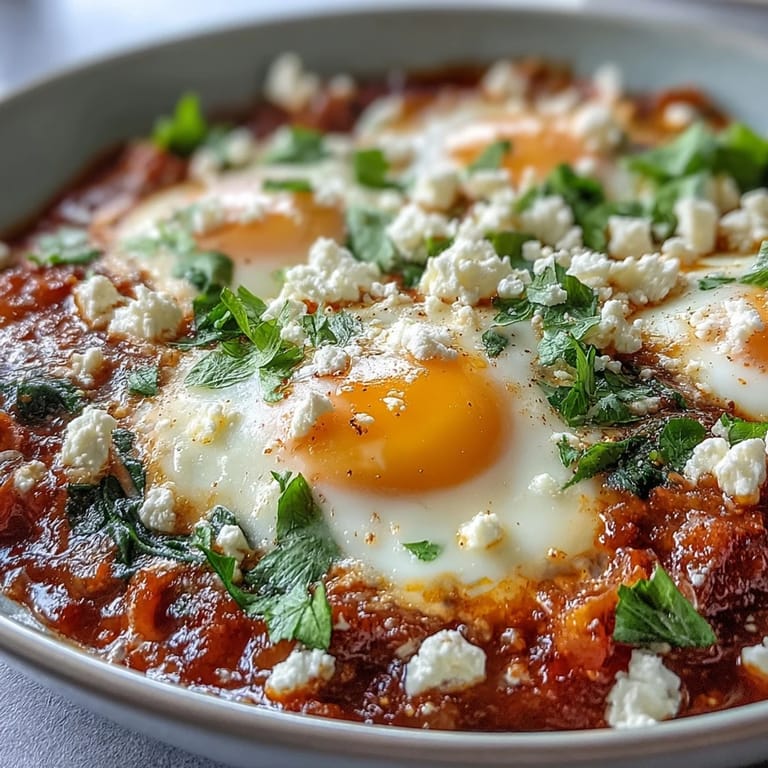
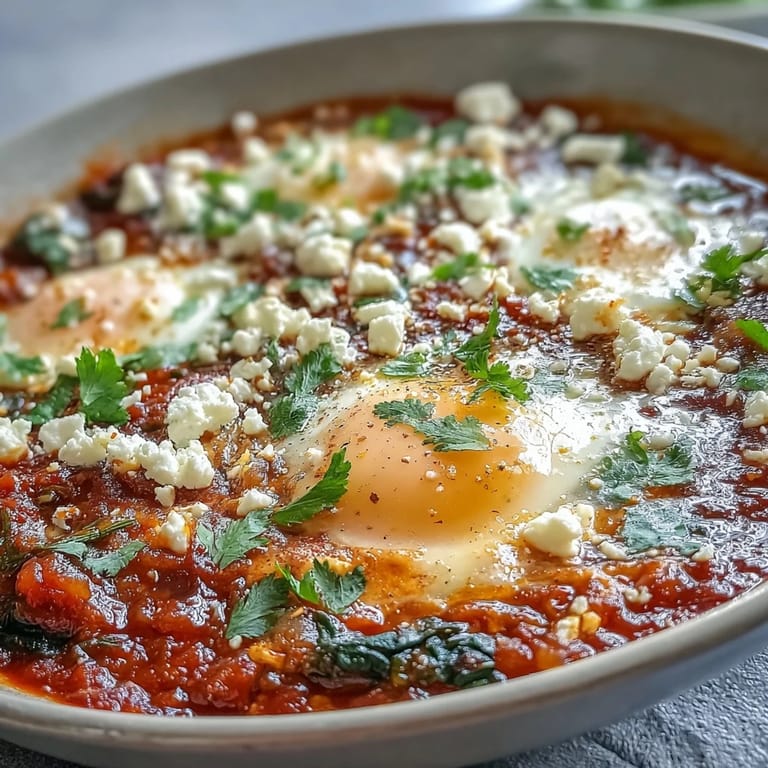
Save There's something about the smell of cumin and paprika hitting hot oil that instantly transports me to a bustling market in Istanbul, even though I was standing in my tiny apartment kitchen at 7 AM on a Tuesday. My neighbor had left a container of her homemade shakshuka on my doorstep the night before with a note that just said "trust me," and when I finally made my own version the next morning, I understood why she'd been so insistent. The way those eggs nestle into the crimson sauce, their yolks gleaming like little suns, felt like creating something both simple and ceremonial. Now whenever I make shakshuka, I'm chasing that exact feeling.
I made this for my roommate once when she came home completely depleted from a brutal work week, and watching her face soften as she tore her pita and scooped up that warm, spiced tomato sauce with a runny egg yolk was its own kind of healing. She didn't say much, just kept making quiet satisfied noises and reaching for more bread. That's when I realized shakshuka isn't just breakfast or dinner, it's comfort wrapped in warmth and spice.
Ingredients
- 1 large onion, finely chopped: This is your foundation, the thing that builds flavor as it softens and caramelizes slightly, so don't skip the chopping step just to save time.
- 1 red bell pepper, diced and 1 yellow bell pepper, diced: They add sweetness and body to the sauce, but honestly, if you only have one color, use it without guilt.
- 3 garlic cloves, minced: Mince these fine because you want them to disappear into the sauce and infuse everything with their warmth.
- 2 cups baby spinach (optional): I skip this sometimes and add it other times depending on what's in my crisper drawer, and the dish is perfect either way.
- 1 jalapeño, seeded and finely chopped (optional for heat): Leave some seeds in if you want real heat, or skip it entirely if spice makes you hesitate.
- 2 tablespoons olive oil: This is where the initial magic happens, so use something you actually like the taste of, not the cheapest bottle.
- 1 teaspoon ground cumin: This spice is the soul of the dish, warming and slightly earthy without being overwhelming.
- 1 teaspoon paprika: Don't confuse it with smoked paprika unless you want a deeper flavor, but honestly, that works too.
- ½ teaspoon ground coriander: This adds a subtle floral note that makes people ask what that secret ingredient is.
- ¼ teaspoon cayenne pepper (optional): Start with less and add more if you're chasing heat, because you can't take it back once it's in.
- 1 (28-ounce) can crushed tomatoes: Canned is perfect here because consistency matters more than anything, and shelf-stable tomatoes deliver that better than fresh ever could.
- 1 teaspoon sugar: This balances the acidity of the tomatoes so the sauce tastes rounded instead of sharp.
- Salt and black pepper, to taste: Taste as you go because everyone's definition of seasoned is different.
- 4–6 large eggs: The higher the quality, the richer the yolk, and those runny yolks are half the reason we're here.
- ¼ cup fresh cilantro or parsley, chopped: I prefer cilantro for its brightness, but if you're one of those people who finds it soapy, parsley won't judge you.
- ½ cup crumbled feta cheese (optional): The tang cuts through the richness of the egg yolk and sauce, making each bite feel complete.
- 4 pita breads, warmed: These aren't just sides, they're your utensils and the vehicle for every perfect bite.
Tired of Takeout? 🥡
Get 10 meals you can make faster than delivery arrives. Seriously.
One email. No spam. Unsubscribe anytime.
Instructions
- Heat your oil and start with the onion:
- Pour the olive oil into your large skillet and let it warm over medium heat until it shimmers slightly, then add the chopped onion. You'll know it's ready to move forward when the onion becomes translucent and softened, which takes about 3 minutes and happens with a gentle sizzle.
- Build depth with peppers and heat:
- Add the diced red and yellow bell peppers along with the jalapeño if you're using it, and let them cook for about 5 minutes until they're tender but still hold their shape. The vegetables will release their moisture into the pan and create a fragrant base for everything that follows.
- Bloom your spices:
- Once the peppers have softened, stir in the garlic, cumin, paprika, coriander, and cayenne if using, and cook for exactly 1 minute. This quick cook releases all the essential oils in the spices and fills your kitchen with an aroma that makes everything feel intentional and delicious.
- Create your sauce foundation:
- Pour in the crushed tomatoes and add the sugar, salt, and black pepper, then let everything simmer uncovered for 10–12 minutes, stirring occasionally. You're watching for the sauce to thicken and deepen in color, which means the flavors are concentrating and becoming more intense.
- Wilt in the greens if you're using them:
- If you've chosen to add spinach, fold it in now and let it cook down for about 2 minutes until it's completely wilted and surrendered to the sauce.
- Make room for the eggs:
- Use a spoon to create small wells or pockets in the sauce, spacing them so each egg will have its own little home. This prevents the eggs from sliding around and breaking, and it keeps the yolks separate and perfect.
- Nestle the eggs and cover:
- Crack each egg directly into a well, then cover the skillet with a lid and reduce heat to medium-low. The eggs will cook gently in the steam and residual heat, taking 6–8 minutes for the whites to set while the yolk stays runny and golden.
- Taste and finish:
- Remove from heat and taste one last time to see if salt or pepper needs adjusting, then scatter the fresh cilantro or parsley over the top. If you're using feta, crumble it generously across the surface so every spoonful has a bit of tang.
- Serve immediately with warm pita:
- Transfer the skillet to the table if it's pretty enough, or ladle into bowls, and serve the warm pita on the side for scooping and dipping into that perfect, runny yolk.
 Save
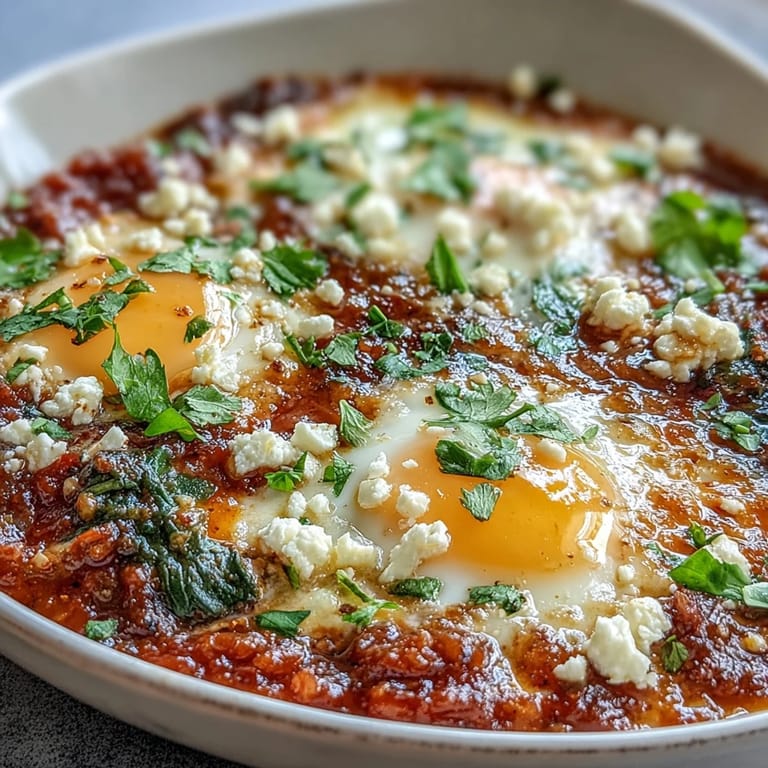
Save My sister called me while I was eating a bowl of this at my kitchen counter, and instead of putting down my spoon like a normal person, I spent twenty minutes trying to describe the flavors while chewing, which was ridiculous but somehow perfect. She ordered the ingredients that same day and now every Sunday she makes her own version, and somehow that simple phone call turned a weeknight dinner into a small family tradition.
The Magic of a Runny Yolk
The entire experience of shakshuka hinges on that moment when you break through the set egg white and watch the yolk run into the sauce, turning it silky and rich. I learned this the hard way after cooking my eggs too long the first few times and ending up with yolks that were rubbery instead of luxurious. Now I pull the skillet off heat at exactly 6 minutes if I like my whites barely set, or 7 if I prefer a bit more firmness, and it makes all the difference between a good breakfast and one that makes you want to eat slowly and really taste it.
Spice Customization That Works
The beautiful thing about shakshuka is that it respects your heat tolerance instead of forcing it on you, so you can build the spice level exactly where it feels right. If you're cautious, start with just the paprika and cumin and skip the cayenne entirely, or add half a jalapeño instead of a whole one. For those of us who lean into heat, adding a full jalapeño with some seeds intact and a generous shake of cayenne creates a sauce that warms you from the inside and makes each bite interesting instead of predictable.
Make Ahead and Adapt
One of my favorite weekend tricks is making the sauce the night before and storing it in the fridge, then all I have to do in the morning is reheat gently and poach my eggs fresh, which takes maybe 10 minutes from start to finish. You can also make this vegan by omitting the eggs and crumbling in some chickpeas or soft tofu for protein, though I'll admit the runny yolk is what makes my heart happy about this dish. For a dairy-free version, simply skip the feta or use a cashew-based alternative if you want something creamy alongside the heat.
- Make the sauce up to 2 days ahead and reheat gently before adding eggs.
- Use whatever fresh herbs you have on hand, from mint to dill to regular parsley.
- Serve alongside labneh or Greek yogurt on the side for extra creaminess and tang.
 Save
Save Shakshuka is one of those rare dishes that feeds both your body and your soul simultaneously, asking almost nothing of you while delivering everything. Make it often, make it for people you love, and watch it become part of your rotation of meals that feel like coming home.
Common Recipe Questions
- → What makes shakshuka authentic?
Authentic shakshuka features eggs poached directly in a spiced tomato sauce. The key is using cumin, paprika, and coriander to create the signature Middle Eastern flavor profile. The sauce should be thick enough to hold the eggs while allowing them to cook evenly.
- → How do I know when the eggs are done?
Cover the skillet and cook for 6-8 minutes. The whites should be completely set and opaque, while the yolks remain slightly runny. For firmer yolks, cook an additional 2-3 minutes. Gently shake the pan to check if the whites are firm.
- → Can I make shakshuka ahead of time?
The tomato sauce base can be prepared up to 2 days in advance and stored in the refrigerator. When ready to serve, reheat the sauce gently, create wells for the eggs, and finish cooking. The eggs should always be cooked fresh for the best texture.
- → How can I adjust the spice level?
Control the heat by adjusting the amount of jalapeño and cayenne pepper. For mild flavor, omit both entirely. Medium spice comes from using just the jalapeño. Add the cayenne for extra heat. You can also serve hot sauce on the side for individual customization.
- → Is shakshuka suitable for meal prep?
The sauce portion meal preps beautifully and actually tastes better the next day as flavors meld. However, eggs are best cooked fresh. If meal prepping, store the sauce separately and reheat with freshly poached eggs when ready to eat.