 Save
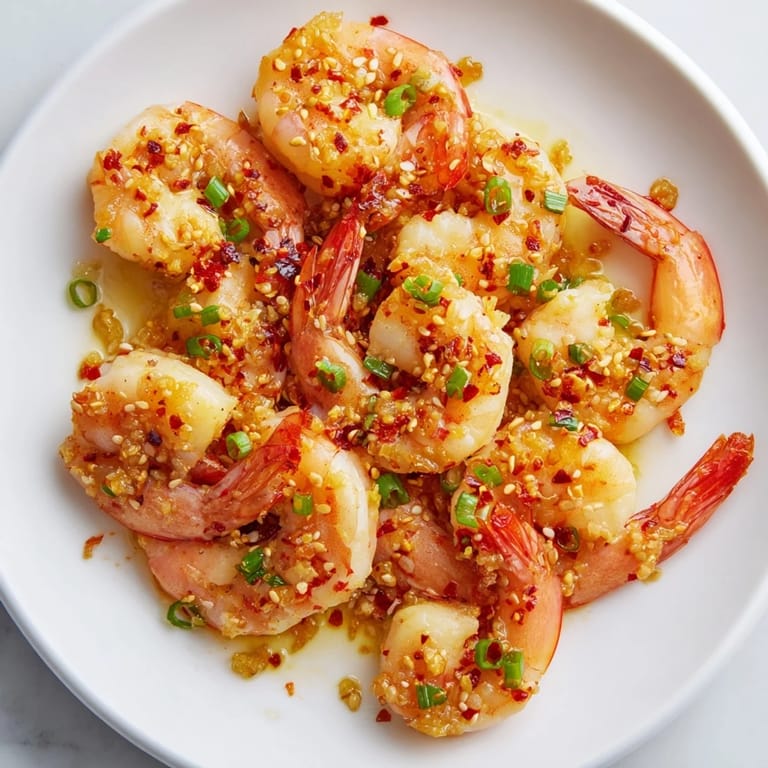
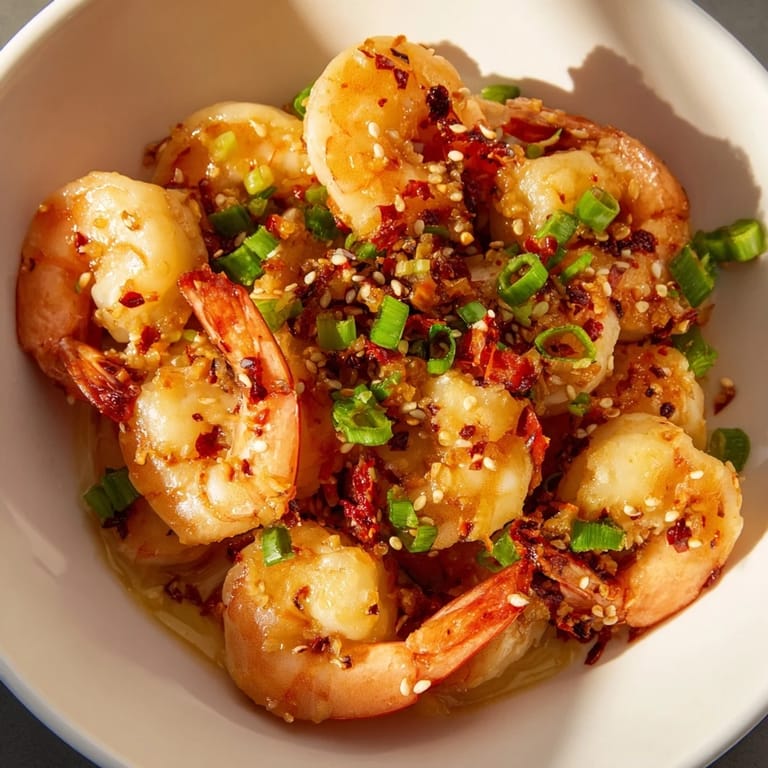
Save There's a particular magic that happens when you're standing in front of a hot skillet at dinner time with nothing planned, and you reach for shrimp instead of something predictable. That buttery sizzle mixed with the sharp punch of Korean chili flakes fills your kitchen so fast that guests wander in asking what smells incredible. This dish came together one weeknight when I was tired of the same rotation and wanted something that tasted restaurant-quality but didn't demand hours of my attention.
I made this for my neighbor one evening when she brought over wine and mentioned being bored with her usual weeknight routine. We stood in my kitchen laughing at how simple it was to make something that tasted like we'd gone out to eat. By the time the scallions hit the top, she was already asking for the ingredient list.
Ingredients
- Large shrimp, 500 g (1 lb), peeled and deveined: The size matters here—large shrimp won't overcook in the quick cooking time and stay plump and juicy rather than rubbery.
- Unsalted butter, 3 tbsp: Unsalted lets you control the salt level, and the butter becomes the silky backbone that carries all the flavors.
- Garlic, 4 cloves, minced: Fresh garlic browns quickly in butter, so mince it finely and watch carefully—burnt garlic turns bitter in seconds.
- Gochugaru (Korean chili flakes), 1 tbsp: This is the soul of the dish; it's fruitier and less harsh than regular red pepper flakes, adding warmth instead of just heat.
- Soy sauce, 1 tbsp: Use gluten-free tamari if that matters for your table, and taste before adding more—saltiness varies between brands.
- Honey, 1 tbsp: A touch of sweetness balances the spice and adds a subtle gloss to the sauce.
- Sesame oil, 1 tsp: Just a teaspoon—this stuff is potent and nutty, and a little goes a long way.
- Scallions, 2 tbsp chopped, and toasted sesame seeds, 1 tsp: These finishing touches add texture and brightness that wake up every bite.
- Lemon wedges, optional: A squeeze of fresh lemon is the final accent that makes everything sharper and more alive.
Tired of Takeout? 🥡
Get 10 meals you can make faster than delivery arrives. Seriously.
One email. No spam. Unsubscribe anytime.
Instructions
- Dry the shrimp:
- Pat each shrimp with paper towels until no moisture clings to them. Wet shrimp will steam instead of sear, and you want that golden-brown kiss in the hot butter.
- Melt the butter and bloom the garlic:
- Over medium heat, let the butter get foamy and swirl in the minced garlic. Stir constantly for about a minute—the moment it smells like roasted garlic instead of raw, you're done. Don't let it brown.
- Build the sauce:
- Stir in the gochugaru, soy sauce, honey, and sesame oil all at once. Let it bubble quietly for 30 seconds so the spices can wake up and mellow into the butter.
- Cook the shrimp:
- Lay the shrimp in a single layer in the skillet and don't touch them for 2 to 3 minutes—they need that stillness to turn pink and caramelize slightly. Flip each one and give the other side the same time.
- Coat and finish:
- Toss everything together so each shrimp is dressed in that glossy sauce. The moment they're all coated, kill the heat and transfer to your serving dish while they're still hot.
- Garnish and serve:
- Scatter the scallions and sesame seeds across the top, arrange lemon wedges on the side, and get it to the table while the butter is still warm and silky.
 Save
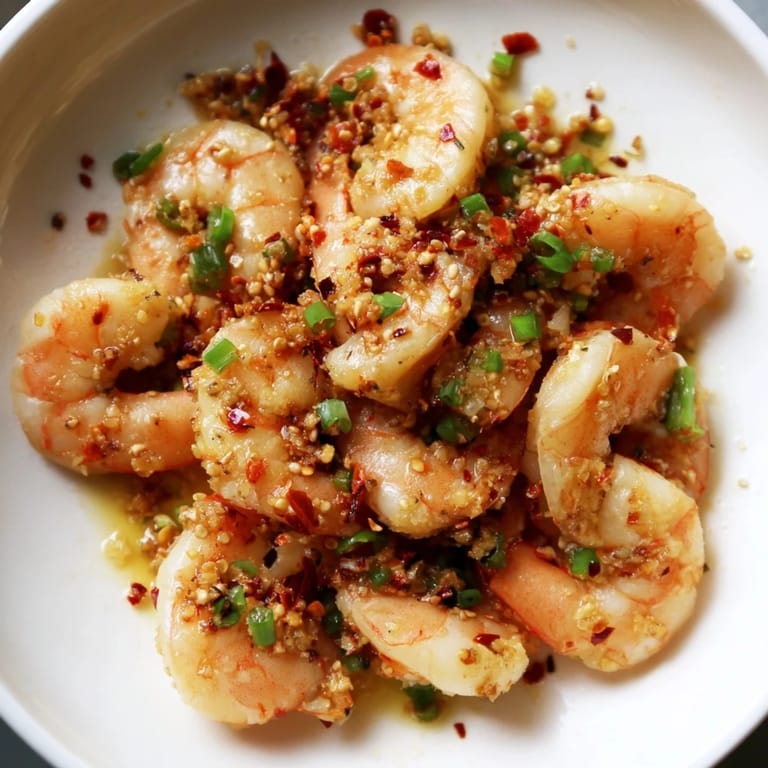
Save There was a moment when my teenage son, who usually picks at dinner, actually finished his portion and asked for seconds. That's when this dish stopped being just a recipe I'd made and became proof that sometimes the simplest approach with the best ingredients is all you need.
Balancing Sweet, Spicy, and Savory
This dish walks a delicate line that took me a few tries to understand. The honey rounds out the sharp spice so it doesn't bite, while the soy sauce adds umami depth that keeps everything from tasting one-dimensional. If you prefer it less sweet, use less honey; if you want more heat, add a pinch more gochugaru before serving. It's a forgiving recipe once you understand what each ingredient does.
Serving and Pairing Ideas
I've served this three different ways depending on the occasion. Over steamed jasmine rice, it becomes a satisfying main course. As a standalone appetizer with crusty bread for soaking up the sauce, it impresses without needing a whole meal around it. Tossed with fresh noodles and a handful of greens, it transforms into something light but still rich and filling.
Making It Your Own
Once you've made this once, you'll start seeing it as a template. The proportions are forgiving, and the technique is so quick that you can experiment without worry. Brown sugar works if you don't have honey; a splash of fish sauce deepens the savory notes if you want to go more traditionally Korean; even a tiny pinch of cinnamon adds a whisper of warmth that makes people pause mid-bite wondering what they're tasting.
- Serve with a crisp white wine like Sauvignon Blanc or a light lager beer to cut through the richness.
- Make sure your skillet is large enough that shrimp touch the bottom in one layer, not piled on top of each other.
- Taste the sauce before you add the shrimp—adjust seasonings now because once the shrimp are in, you're cooking, not seasoning.
 Save
Save This is the kind of dish that reminds you why cooking for people you care about matters. It's elegant enough to feel like a celebration but easy enough to pull together on a random Tuesday.
Common Recipe Questions
- → What type of shrimp works best?
Large peeled and deveined shrimp are ideal for even cooking and optimal flavor absorption.
- → Can I adjust the spice level?
Yes, increase or decrease the amount of Korean chili flakes to suit your preferred heat intensity.
- → What’s a good substitute for soy sauce?
Gluten-free tamari or coconut aminos provide a similar salty depth without gluten.
- → How do I prevent the garlic from burning?
Cook minced garlic over medium heat for about a minute, stirring constantly until fragrant but not browned.
- → What sides complement this dish?
Steamed rice, noodles, or a crisp white wine pair wonderfully with the bold flavors.