 Save
Save My neighbor brought over a bag of just-picked corn one summer evening, and I had nothing but butter and soy sauce in the kitchen. What started as a desperate improvisation became something I make almost weekly now. There's something magical about how butter and garlic transform something so simple into a dish that tastes like it belongs on a restaurant table.
I served this at a dinner party where someone had just moved to the neighborhood, and they went back for thirds. That's when I realized this wasn't just a side dish—it was the kind of thing that makes people feel welcomed and cared for. The simplicity is actually the point.
Ingredients
- Fresh corn or frozen kernels: Four ears of fresh corn give you the sweetest, most tender kernels, but frozen works beautifully if you thaw it first and let any excess moisture drain away.
- Unsalted butter: Use real butter here—it's only two tablespoons, and the flavor matters more than you'd expect.
- Garlic: Two cloves minced fine, because bigger pieces won't melt into the butter the way you want them to.
- Soy sauce: This is what turns buttered corn into something distinctly craveable; it adds depth without tasting salty if you're measuring carefully.
- Black pepper and sea salt: Freshly ground pepper makes a noticeable difference, so don't skip that step.
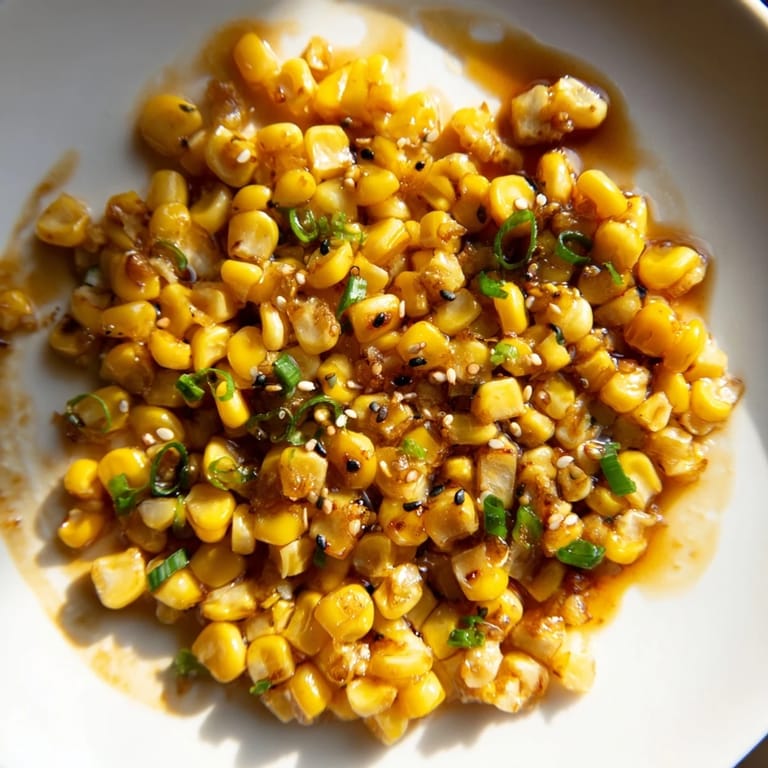
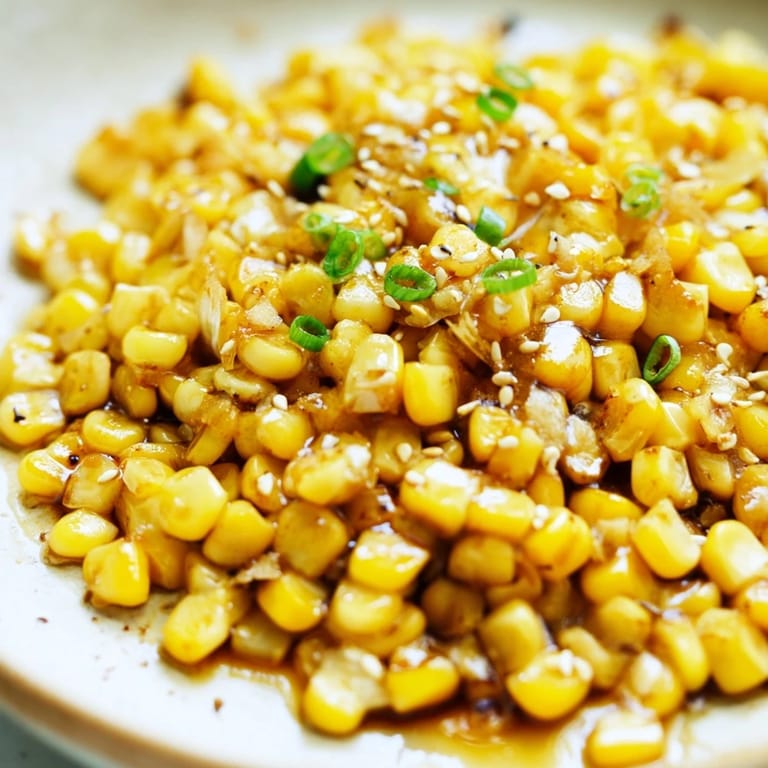
- Scallions and sesame seeds: These are optional, but they add a textural contrast that feels intentional rather than just finishing a dish.
Tired of Takeout? 🥡
Get 10 meals you can make faster than delivery arrives. Seriously.
One email. No spam. Unsubscribe anytime.
Instructions
- Prep your corn:
- If using fresh corn, hold it upright on a cutting board and slice down with a sharp knife, rotating as you go. You'll feel the kernels separate cleanly from the cob. Frozen corn just needs to thaw in a colander so excess water drains.
- Melt the butter:
- Medium heat is crucial here—you want it foamy and smelling nutty, not browning. The kitchen fills with this incredible aroma that tells you you're heading in the right direction.
- Toast the garlic:
- Add it to the bubbling butter and stir constantly for about 30 seconds. You're hunting for that fragrant moment right before it would burn—this takes attention, but it's worth it.
- Cook the corn:
- Stir the kernels into the garlic butter and let them sit for a few seconds before stirring. That initial contact is where some of the sweetness concentrates and the corn begins to toast lightly, turning golden at the edges.
- Add the soy sauce:
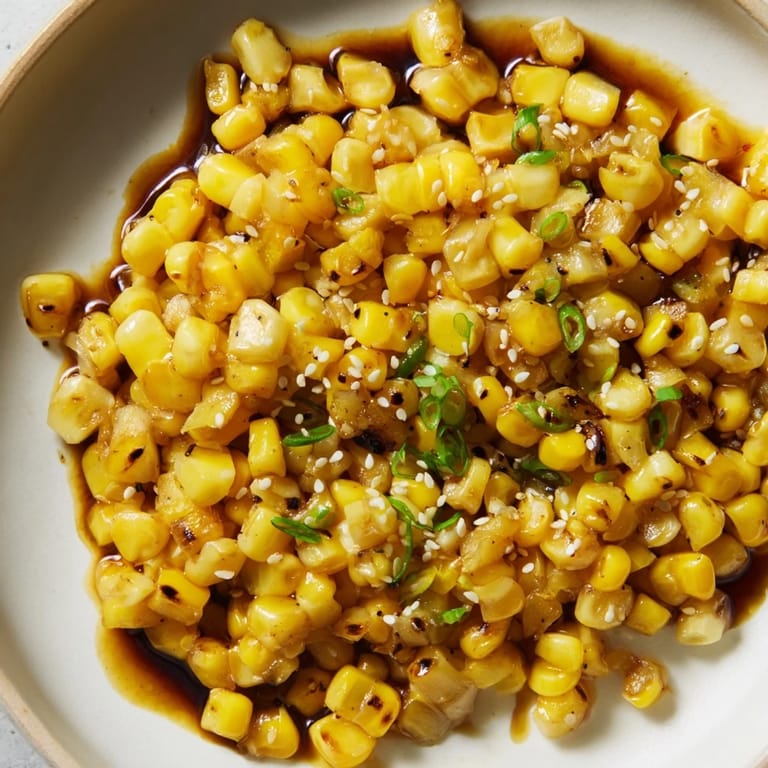
- Pour it in and stir so every kernel gets coated, then let it cook for another minute or two while the liquid reduces. You'll see it go from wet to glossy, which is exactly what you're after.
- Finish and serve:
- Taste as you season—you might need less salt than you think since soy sauce brings saltiness of its own. Scatter with scallions and sesame seeds, then serve while everything is still warm.
 Save
Save One rainy Tuesday I made this while my daughter did homework at the kitchen counter, and she looked up and asked if I'd learned to cook Japanese food. I hadn't, of course—I'd just borrowed an idea and made it mine. That's the feeling I chase every time I cook.
Choosing Your Corn
Fresh corn in season tastes noticeably sweeter and juicier than frozen, and the kernels have this subtle snap to them that's hard to replicate. But frozen corn is frozen at peak ripeness, so it's often fresher-tasting than corn that's been sitting in a grocery bin. The difference in the final dish is real but not dramatic—choose based on what you have and what's calling to you that day.
The Butter-Soy Alchemy
This combination works because butter brings richness and soy sauce brings umami, and together they make corn taste like a more intentional version of itself. I've tried this with other aromatics like ginger or a touch of sesame oil, and while they're good, the pure garlic-butter-soy trio is what keeps me coming back. It never feels heavy or complicated, just sophisticated in a way that feels effortless.
Variations and Serving Ideas
I've added a tiny spoonful of mayonnaise instead of extra butter for creaminess, and I've splashed in mirin when I want a subtle sweetness that soy sauce alone won't give me. One night I stirred in a pinch of red pepper flakes and served it over rice as more of a main course. The foundation is so forgiving that it becomes a platform for your own experiments.
- A teaspoon of toasted sesame oil whispered in at the end adds nuttiness that feels unexpectedly luxurious.
- Grilled corn gives you deeper caramelization if you char it in the butter first, though it takes a few extra minutes.
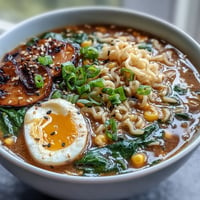
- Serve this alongside grilled fish or chicken, toss it into ramen, or pile it on steamed rice for a meal that feels complete and warming.
 Save
Save This dish has quietly become one of my most-made recipes, the kind of thing I reach for when I want to cook something that feels a little special without the stress. It's proof that you don't need complicated techniques or rare ingredients to make something memorable.
Common Recipe Questions
- → Can I use frozen corn instead of fresh?
Yes, thawed frozen corn works well and provides similar texture and sweetness.
- → What type of butter is best for sautéing?
Unsalted butter allows better control over seasoning while providing a creamy base.
- → How much garlic should I use for flavor?
Two finely minced cloves offer a fragrant aroma without overpowering the corn.
- → Is soy sauce necessary in this dish?
Soy sauce adds umami and a subtle savory note, but it can be adjusted or omitted to taste.
- → What garnishes complement the sautéed corn?
Chopped scallions and toasted sesame seeds add freshness and texture to the dish.