 Save
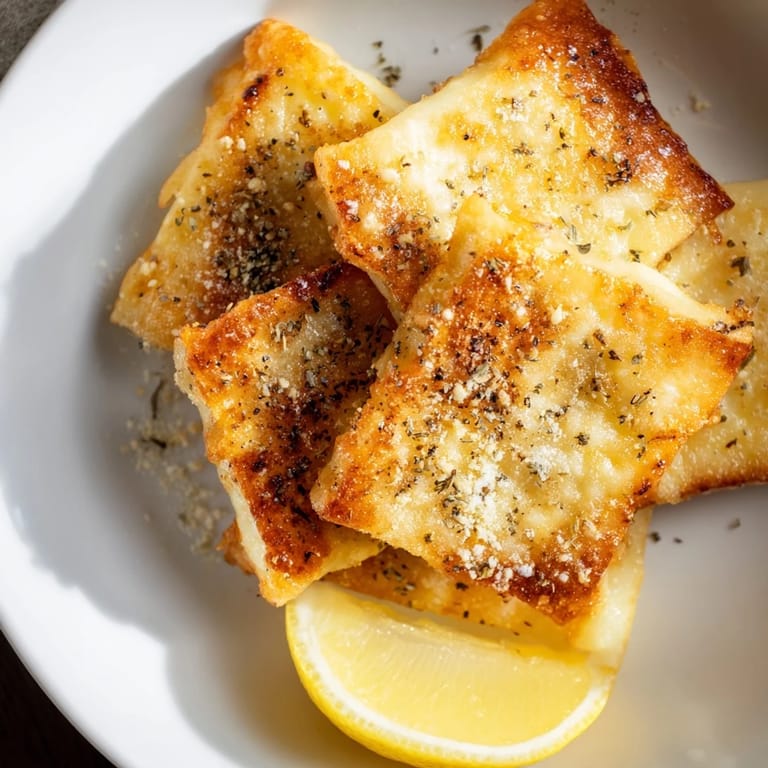
Save The first time I truly understood why Greeks shout "Opa!" when frying saganaki was watching my neighbor flip a golden square in her pan with the kind of theatrical flair that made me laugh out loud. It's not just about the cheese—it's about that moment when something simple transforms into something spectacular in seconds. She taught me that saganaki isn't a recipe you execute; it's a tiny, delicious performance you share.
I made this for a dinner party once when I was nervous about impressing my partner's family, and something magical happened—the kitchen filled with that nutty, toasted aroma, and suddenly everyone gathered around the stove instead of sitting politely in the living room. My mother-in-law asked for the secret, and I realized there wasn't one, just good cheese and the willingness to let it get gloriously golden.
Ingredients
- Greek cheese (kasseri, kefalotyri, or halloumi): Use firm varieties that hold their shape when heated; kasseri has a slightly higher melting point than halloumi, which gives you a bit more time before it collapses into a puddle—though honestly, that puddle is delicious too.
- All-purpose flour (or gluten-free): The flour isn't about flavor; it's about creating a subtle crust that keeps the cheese from sticking and gives you that satisfying crunch.
- Olive oil: Use good olive oil because it matters—the flavor carries through even in the quick fry, and it brings out the cheese's nuttiness.
- Lemon and oregano: The lemon is essential, not optional; its brightness cuts through the richness and makes each bite feel fresh and alive.
- Freshly ground black pepper: It adds a gentle heat that complements the salty cheese without overwhelming it.
Tired of Takeout? 🥡
Get 10 meals you can make faster than delivery arrives. Seriously.
One email. No spam. Unsubscribe anytime.
Instructions
- Dry your cheese thoroughly:
- Pat each slice with paper towels as if you're being gentle with something precious—any moisture left on the surface will resist browning and trap steam.
- Coat lightly in flour:
- Use just enough flour to create a thin, barely visible layer, then shake off the excess so you're left with a whisper of coating; too much flour masks the cheese flavor.
- Heat your oil until it shimmers:
- Watch the surface of the oil carefully—once it starts to ripple and move, it's ready for the cheese.
- Fry until golden and crisp:
- Don't walk away; stand there and watch the cheese transform, listening for the gentle sizzle to intensify; when the edges turn amber and the bottom sounds crackling, it's time to flip.
- Drain and serve immediately:
- Let the cheese rest on paper towels for just a breath, then transfer to the plate while it's still warm enough to bend slightly.
- Finish with oregano, pepper, and lemon:
- Sprinkle the oregano and pepper while the cheese is still steaming so the warmth awakens the spices' full flavor.
 Save
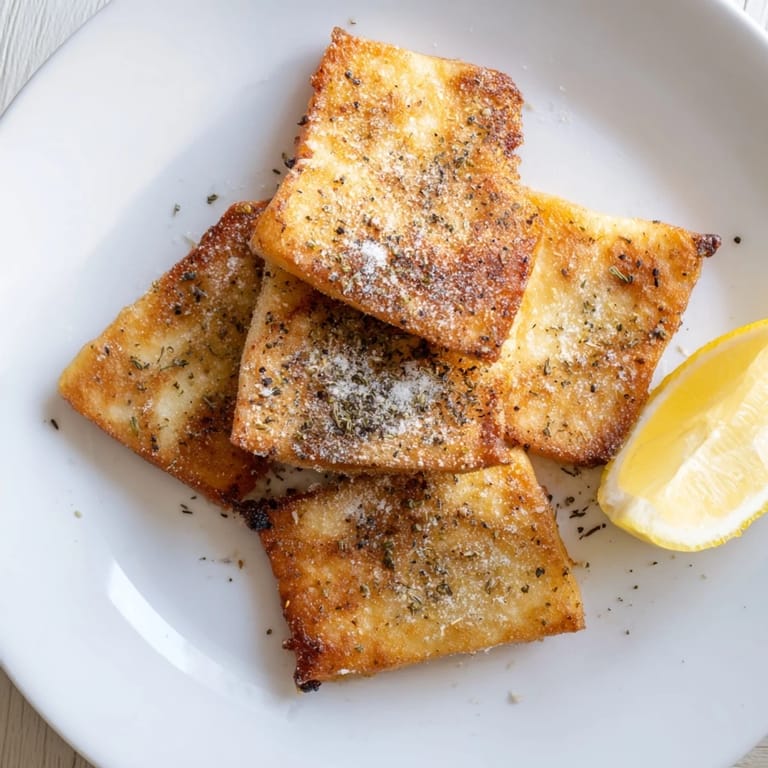
Save There's something about eating saganaki that turns strangers into conspirators—everyone leans in, watches the cheese stretch from the plate as you tear a piece away, and suddenly you're all sharing something that feels both humble and indulgent at the same time.
Choosing Your Cheese
I've learned that different cheeses behave differently in the pan, and it's worth experimenting to find your preference. Kasseri is the traditional choice and has a high melting point, so it takes a little longer to go from firm to dreamy inside. Kefalotyri is similar but slightly sharper. Halloumi, while not traditionally Greek, has a wonderfully high melting point and stays intact longer—it's a bit forgiving if you're just learning. Graviera is creamy and delicious but melts faster, so watch it carefully.
The Art of the Pan
The heat level is everything with saganaki, and this took me a few attempts to understand. Medium-high heat allows the oil to reach the right temperature without burning; if your heat is too low, the cheese will warm through before browning, and you'll end up with a soft, oily result. Too high, and the outside burns before the inside melts. I find that listening to the sizzle helps—you want a steady, confident sound, not an angry crackling.
Serving and Pairing
Saganaki is best served the moment it emerges from the pan when the contrast between temperatures and textures is at its peak. I've discovered it works beautifully as the opening course of a mezze spread, or alongside crusty bread that you can use to soak up any escaped cheese. A crisp white wine like Assyrtiko is a natural pairing—the acidity balances the richness perfectly.
- Never let saganaki cool completely before eating; the best version is one that's still warm enough to stretch.
- If you're making this for guests, assemble everything before you start frying so you can serve immediately without scrambling.
- A squeeze of fresh lemon is non-negotiable—it transforms the entire experience.
 Save
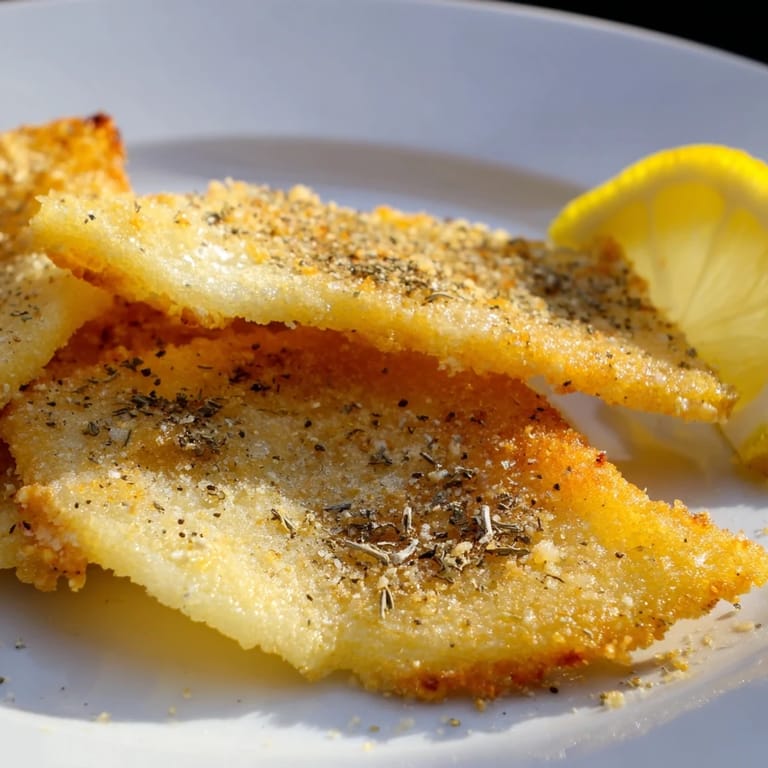
Save This is the kind of dish that reminds you why cooking matters—not because it's complicated, but because it brings people together in a way that feels honest and warm. Make it, share it, and don't be surprised when everyone asks you to make it again.
Common Recipe Questions
- → What type of cheese works best for saganaki?
Firm Greek cheeses such as kasseri, kefalotyri, halloumi, or graviera are ideal for achieving the signature golden crust.
- → How do you achieve a crispy texture on the cheese?
Lightly dredging the cheese slices in flour before frying in olive oil helps create a golden, crispy exterior.
- → Can this dish be adapted for gluten-free diets?
Yes, using gluten-free flour instead of all-purpose flour ensures it remains gluten-free while keeping the crispiness.
- → What is the best way to serve Greek saganaki?
Serve hot with freshly squeezed lemon wedges and a sprinkle of dried oregano for enhanced flavor.
- → Are there any recommended beverage pairings?
A crisp white wine like Assyrtiko complements the savory and citrusy notes beautifully.