 Save
Save There's something about leek season that makes me want to cook soup, and potato leek is the one I reach for when I need something that tastes like comfort but doesn't demand much fuss. My grandmother used to make it on rainy afternoons, and I'd watch the leeks soften in butter until the kitchen smelled like the most welcoming place in the world. Years later, I realized how simple it really was—just vegetables, broth, and patience—yet somehow it became the soup I serve when I want people to feel cared for.
I made this for a friend who'd just moved into her first apartment, armed with nothing but a dented pot and determination. She called me mid-soup to say the kitchen smelled like a French bistro, and suddenly she wasn't overwhelmed by the move anymore—she was just happy. That's when I understood this recipe wasn't really about the leeks and potatoes at all.
Ingredients
- Leeks (3 medium, white and light green parts): These are milder and sweeter than onions when cooked, and they're the soul of this soup—just make sure to slice them lengthwise first, then rinse between every layer to catch hidden sand.
- Yukon Gold potatoes (3 medium): They're naturally waxy and creamy, which means your soup will have body without needing extra cream; regular russets work too but need slightly less blending.
- Unsalted butter (2 tablespoons): Don't skip this—it's what carries the flavor of the leeks and onions, creating that foundation everything else builds on.
- Yellow onion (1 medium, diced): This adds sweetness and depth that balances the gentle leek flavor, rounding out the soup in ways you won't notice until it's missing.
- Garlic (2 cloves, minced): Just a whisper of garlic, added after the leeks soften so it doesn't burn and turn bitter.
- Vegetable broth (4 cups): Use low-sodium so you can control the salt and taste the actual vegetables; the quality here matters more than you'd think.
- Whole milk or heavy cream (1 cup): Milk makes it lighter, cream makes it luxurious—choose based on your mood and what's in your fridge.
- Bay leaf (1): This adds an almost imperceptible herbaceous note that makes people wonder what your secret ingredient is.
- Salt and freshly ground black pepper: Taste as you go near the end; potato soups can handle more seasoning than you expect.
- Ground nutmeg (1/4 teaspoon, optional but worth it): Just a pinch brings warmth and sophistication without anyone quite knowing why the soup tastes so good.
- Fresh chives or parsley (2 tablespoons, chopped): This final green note cuts through the richness and makes each spoonful feel bright.
Tired of Takeout? 🥡
Get 10 meals you can make faster than delivery arrives. Seriously.
One email. No spam. Unsubscribe anytime.
Instructions
- Clean and slice your leeks properly:
- Slice them lengthwise down the middle, then cut crosswise into thin half-moons—this shape matters because it helps them break down evenly. Run your slices under cold water and separate the layers gently with your fingers, letting water wash through to catch any grit hiding between the white parts.
- Build your flavor base:
- Melt butter over medium heat and add the leeks and onion together, stirring every minute or so until they're soft and sweet but still pale, about 7 minutes. You're not looking for color here—just tenderness and the butter coating everything, releasing that gentle onion-and-leek perfume into your kitchen.
- Add the garlic moment:
- Once the leeks look creamy and collapsed, add your minced garlic and stir for exactly 1 minute—this is the magic window where garlic becomes fragrant without getting harsh. You'll smell it immediately and know it's right.
- Build the soup:
- Stir in your diced potatoes, bay leaf, and broth, then bring everything to a boil. This takes about 5 minutes and looks almost violent—don't worry, it's supposed to bubble up. Once it's boiling hard, lower the heat to a gentle simmer, cover it, and let it cook for 20–25 minutes until the potatoes fall apart easily with a fork.
- Blend until smooth and creamy:
- Remove the bay leaf first—I've found it floating around before and it's never pleasant to bite into. If you're using an immersion blender, stick it right in the pot and move it around until there are no visible chunks and the color is pale and uniform. If you're using a countertop blender, carefully pour the soup in batches (never fill it more than halfway), blend, and pour back into the pot.
- Finish with cream and seasoning:
- Stir in your milk or cream slowly so it incorporates smoothly, then taste. Add salt, pepper, and just a whisper of nutmeg if you're using it—you want it so subtle that people ask for the recipe without knowing why. Heat gently until steaming but not boiling; boiling breaks down the creaminess you just created.
- Serve with love:
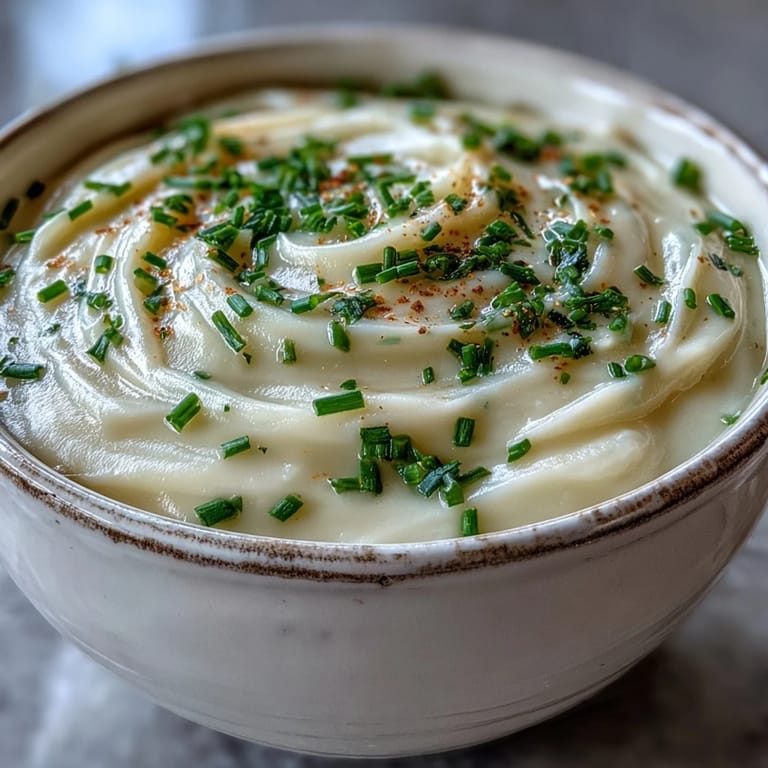
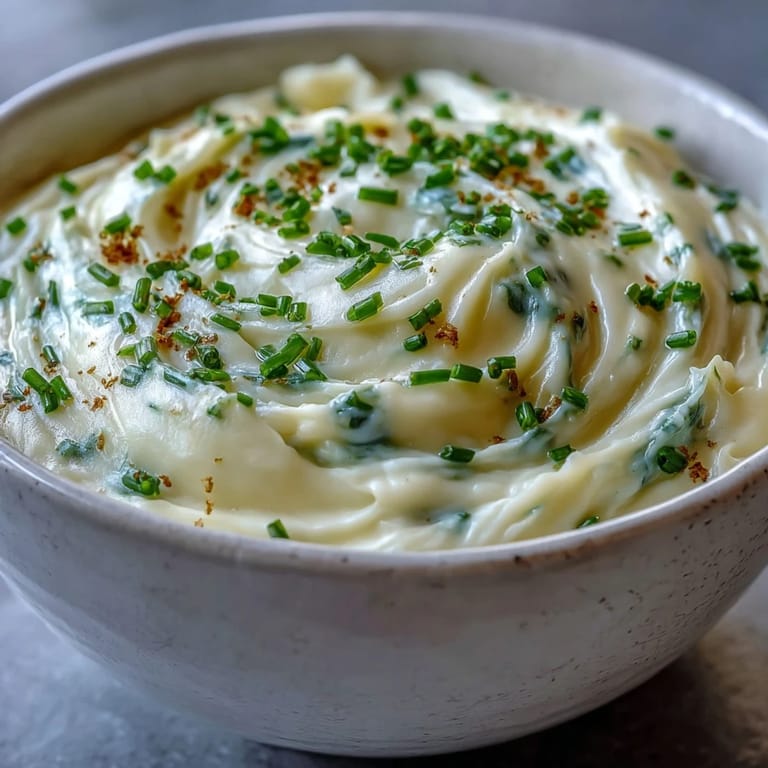
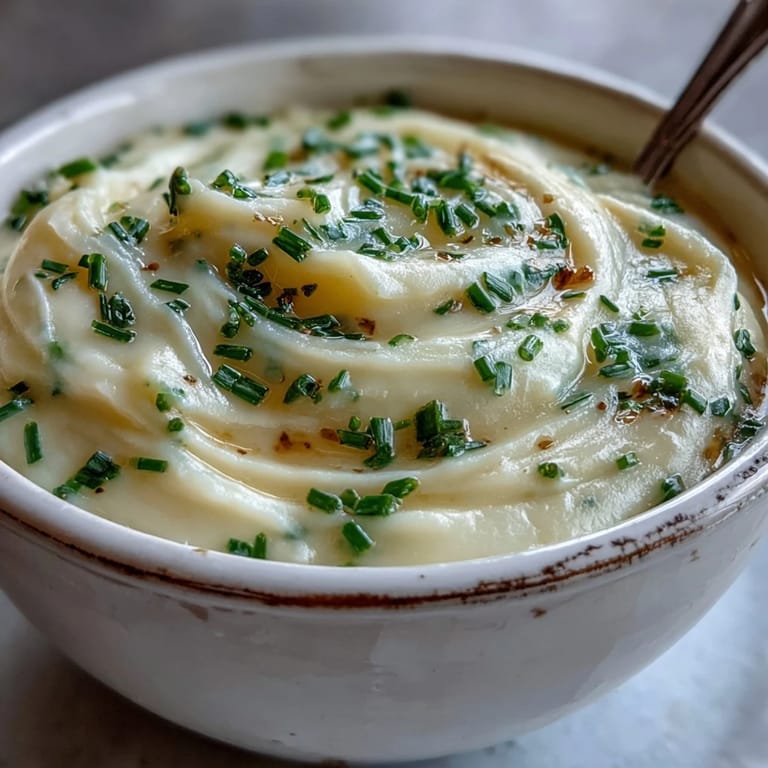
- Ladle into warm bowls and top with fresh chives, a drizzle of olive oil, or a small spoonful of cream—whatever makes you happy. Serve immediately while it's still steaming.
 Save
Save My partner and I were snowed in one winter, and I made this soup not knowing how much we'd needed it—something warm and uncomplicated that we could eat whenever we wanted, in pajamas, without ceremony. We had four bowls that day, and by evening the apartment felt less like we were trapped and more like we were exactly where we needed to be.
Why This Soup Feels Different
Potato leek soup sits at this perfect intersection of elegance and simplicity that makes it feel fancy enough for guests but easy enough for a regular Tuesday. There's no technique here that should intimidate you—no flambéing, no clarifying, no waiting for a roux to brown. It's just vegetables becoming something more through time and butter, which somehow feels like the most honest kind of cooking.
Making It Your Own
This recipe is a foundation, not a law. I've added a splash of white wine after sautéing the vegetables and watched it elevate the whole thing with subtle complexity. I've stirred in crispy bacon bits for friends who wanted something less vegetarian, and I've used coconut milk instead of cream when someone needed it dairy-free—every version tasted like itself and tasted good.
The spice of nutmeg is completely optional, but once you try it, you'll understand why French cooks whisper about it. You can also finish the soup by pushing it through a fine sieve for a restaurant-grade texture, though honestly the rustic blended version tastes just as good and requires one fewer dish.
Storage and Leftovers
This soup keeps beautifully in the refrigerator for three or four days in an airtight container, and it freezes perfectly for up to three months (just leave out the cream, add it fresh when you reheat). I like reheating it gently on the stove over medium-low heat, stirring occasionally and adding a splash of broth or milk if it's thickened more than you'd like.
- Let the soup cool to room temperature before refrigerating so the container doesn't steam and create condensation.
- If you're freezing it, freeze it without the cream and milk, then add them fresh when you reheat for the best texture.
- Reheat gently—this soup doesn't want a rolling boil, just warmth and stirring.
 Save
Save This is the soup I come back to, the one that reminds me why I love cooking—not for complexity or showing off, but for the simple satisfaction of making something warm that makes people feel better. Every time I serve it, someone asks for the recipe, and I'm always happy to give it.
Common Recipe Questions
- → What makes this soup creamy?
The creaminess comes from Yukon Gold potatoes, which naturally break down during cooking, plus whole milk or heavy cream added at the end. Blending creates the smooth texture.
- → Can I make this ahead of time?
Yes, this soup actually tastes better the next day as flavors meld. Store in the refrigerator for up to 3 days and reheat gently, adding more liquid if needed.
- → How do I clean leeks properly?
Slice leeks lengthwise, then into half-moons. Place in a bowl of cold water and swish vigorously, letting grit settle to the bottom. Lift leeks out, leaving dirt behind.
- → Can I freeze this soup?
Yes, freeze for up to 3 months. Cream may separate slightly when reheated, but whisking will restore smoothness. Consider adding cream after thawing for best texture.
- → What potatoes work best?
Yukon Gold potatoes are ideal for their creamy texture and buttery flavor. Russets also work well and create an even thicker consistency. Avoid waxy varieties.
- → How can I make this vegan?
Substitute butter with olive oil and use coconut milk, almond milk, or cashew cream instead of dairy. The result remains rich and satisfying without animal products.