 Save
Save The first time I tried making matcha at home, I was standing in my tiny kitchen on a Tuesday morning, holding a bamboo whisk like it was some kind of sacred instrument. I'd just bought this beautiful tin of high-quality matcha from a small shop downtown, and I was determined not to mess it up. That first cup taught me everything about patience and technique—the way the powder dissolves into this bright, grassy cloud when you get the water temperature just right, and how a good whisk actually makes all the difference.
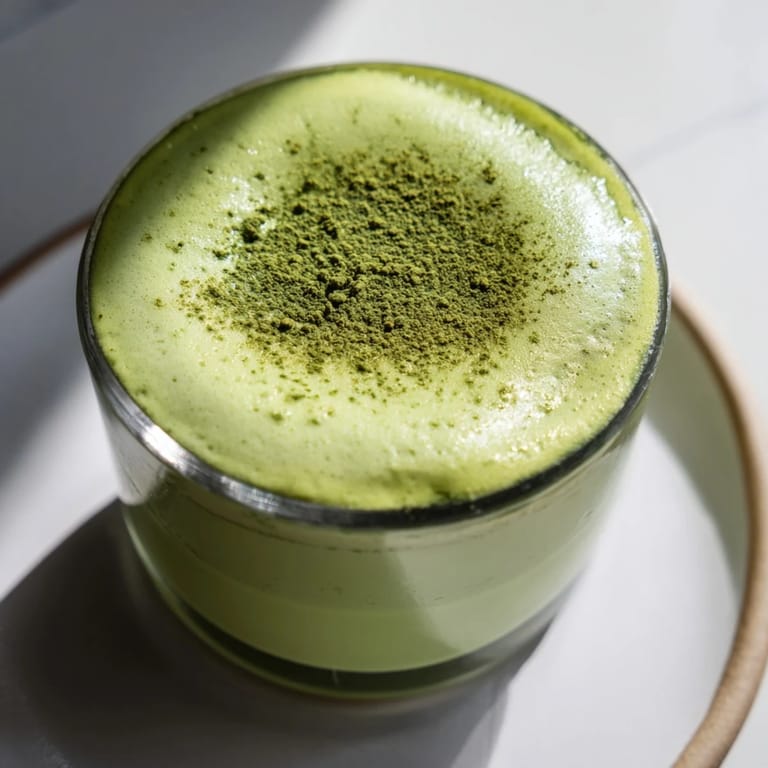
I brought a batch of these to share with my study group last semester, and watching their faces light up when they tasted the foam—that creamy, cloud-like layer on top—was genuinely more satisfying than any compliment. One friend asked if I'd added some kind of secret ingredient, but it was just cold milk, sugar, and the right amount of elbow grease with the frother.
Ingredients
- High-quality matcha powder: The real deal makes a massive difference here; cheap matcha tastes bitter and chalky, but good matcha has this sweet, grassy complexity that shines through.
- Hot water (80°C/175°F): This temperature is the sweet spot—boiling water will make the matcha taste burnt and destroy those delicate green notes.
- Milk of choice: Whole milk froths beautifully, but oat and soy milk work great if you're plant-based; skip the ultra-thin almond milk though, it won't foam properly.
- Cold milk for foam: Barista-style oat milk is genuinely magical here, but whole milk gets you that classic silky texture.
- Granulated sugar or simple syrup: Simple syrup dissolves instantly into cold milk without grittiness, but regular sugar works if you froth it long enough.
- Ice cubes (optional): I skip these because I like the drink at its natural temperature, but add them if you want it colder.
Tired of Takeout? 🥡
Get 10 meals you can make faster than delivery arrives. Seriously.
One email. No spam. Unsubscribe anytime.
Instructions
- Sift and prepare the matcha:
- Pour your matcha powder into a bowl or mug and push it through a small sieve or tea strainer; matcha clumps like it's got a personal vendetta, so don't skip this step or you'll end up with grainy sips. Take a breath and actually do it, trust me.
- Whisk into submission:
- Add your hot water and whisk like your life depends on it—use quick, circular motions with your bamboo whisk or frother until you see a light foam forming on top and the powder completely dissolves. This takes maybe 30-45 seconds of actual effort, but those seconds matter.
- Warm your milk:
- Heat your milk in a small saucepan over medium heat or in the microwave until it's steaming but not boiling; you want it warm enough to slightly cool when it hits the cold matcha mixture. Pour it gently into your matcha and stir to combine—you'll notice how the color lightens and becomes this gorgeous jade green.
- Make the cold foam magic:
- In a separate container, combine your cold milk and sugar, then either use a milk frother or shake it vigorously in a jar for about 2-3 minutes until the volume doubles and you get this silky, mousse-like foam. The sound changes when it's ready—it gets quieter and thicker, which is oddly satisfying.
- Build your drink:
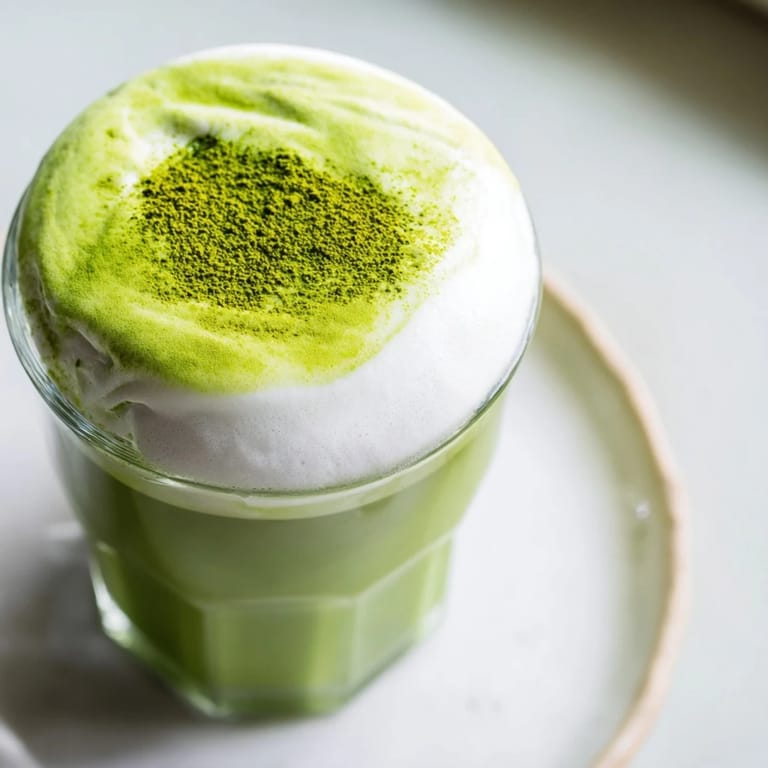
- Pour the matcha latte into a glass, adding ice if you like, then carefully spoon that gorgeous foam on top so it sits like a cloud. The contrast between the warm latte and cold foam is actually part of the experience.
- Serve and enjoy:
- Drink it right away while the foam is still luxurious and the matcha is at its best temperature.
 Save
Save There's something almost meditative about standing in your kitchen with a matcha whisk in hand, watching the powder transform into this emerald liquid. It feels like a small ritual, a moment carved out just for you, which is probably why I've started making this drink whenever I need to slow down and actually taste something instead of just gulping it down.
Getting the Foam Right
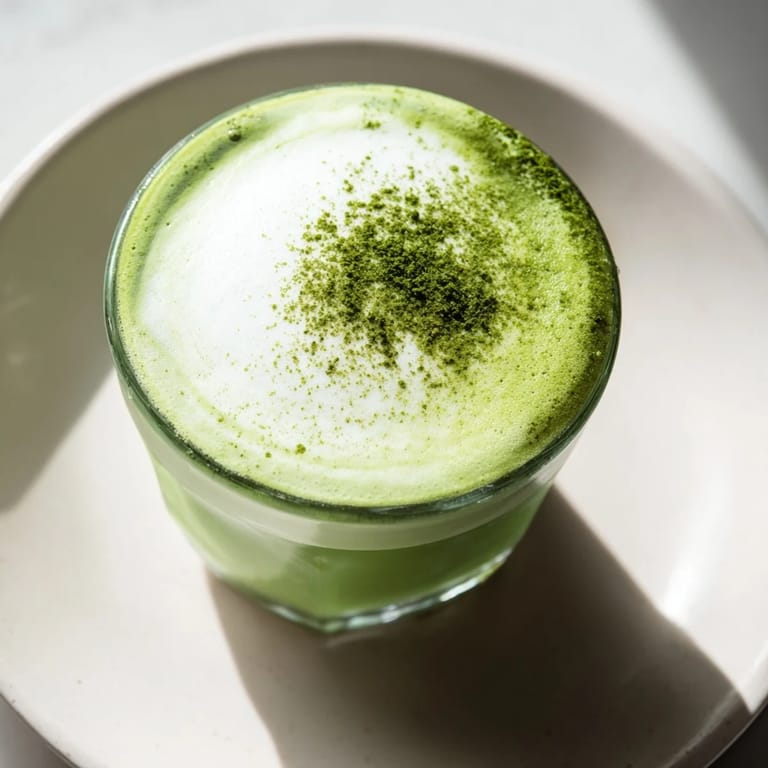
The foam is honestly where all the magic happens, and I've spent way too much time perfecting this part. The key is understanding that you're trapping air into the milk, not just making it bubbly—there's a difference between a glass full of big bubbles that disappear in seconds and that silky, dense foam that coats your mouth. If you're using a jar and shaking by hand, your arm will get tired around the two-minute mark, but that's when the foam usually hits its peak and doubles in volume.
Customizing Your Cup
Once you master the basic version, you can start playing around, and that's where it gets fun. I've added a tiny pinch of sea salt to bring out the matcha's natural sweetness, dusted cinnamon on top for warmth, even tried a drizzle of honey stirred into the foam for extra richness. The recipe stays the same, but these small tweaks make it feel like your own creation, and honestly, that's when you start actually looking forward to making it every morning.
- A light dusting of matcha powder on the foam looks beautiful and gives you an extra flavor hit at the top.
- If you want it sweeter, simple syrup is your friend because it dissolves instantly without leaving grittiness.
- Cinnamon or a tiny pinch of cardamom can add warmth that pairs unexpectedly well with the green tea notes.
Why This Drink Became My Ritual
It's not really about the caffeine, though that helps on mornings when my brain feels like soup. It's about the deliberate slowness of making it—the sound of the whisk, the smell of that grassy matcha, the way the hot and cold elements come together into something that tastes almost luxurious. Once you've made a few of these, you stop seeing it as just a drink and start seeing it as a permission slip to pause, which honestly might be the best benefit of the whole recipe.
 Save
Save Making a matcha latte at home is honestly one of those small kitchen wins that feels bigger than it should be. Once you've tasted your own perfectly whisked cup with that silky foam on top, you'll understand why this simple drink has stuck around for centuries.
Common Recipe Questions
- → What type of milk works best for the foam?
Whole milk or barista-style plant milk froth best, creating a light and silky foam texture.
- → How can I make the matcha latte vegan?
Use oat, soy, or almond milk in both the base and foam to keep it plant-based and creamy.
- → Can I prepare this drink iced?
Yes, add ice cubes after mixing the latte and before topping with cold foam for a refreshing chilled version.
- → What is the best way to whisk matcha powder?
Using a traditional bamboo whisk (chasen) or a small milk frother helps achieve a smooth and frothy matcha base.
- → How to adjust sweetness in this drink?
Modify the sugar or simple syrup quantity in the cold foam to suit your taste preferences.