 Save
Save The air in my kitchen carried a faint fruity aroma as I uncorked a bottle of rosé, laughter from the living room drifting in. Sometimes cakes aren't just about flavor but about creating an experience—the anticipation as batter turns blush-pink under your mixer, the quiet pride in watching a gold drip glisten as it sets. When my cousin asked for something unforgettable for her bridal shower, this cake leapt to mind before I even finished reading her text. The idea of adding edible gold felt wildly exuberant, and I couldn't wait to see the guests' reactions. This Rosé Velvet Cake promised a celebration long before the first slice ever reached a plate.
On the morning of the shower, I remember standing barefoot in my kitchen, swirling together pink batter and humming to a playlist I’d forgotten to update since winter. The dog kept sniffing around my toes for dropped bits of butter. By the time I painted the cooled drips with edible gold, my fingers glimmered almost as brightly as the cake—one of those oddly satisfying kitchen messes you’ll always remember more than the final photo.
Ingredients
- All-purpose flour: Try to spoon and level the flour for feather-light layers that won't get dense—a tip that once saved my cake from a regrettable fate.
- Cornstarch: Adding this makes the crumb extra velvet-soft, and I learned even a little too much can make a cake fragile, so measure with care.
- Unsweetened cocoa powder: The barest touch is enough, just enough to deepen the pink without turning the flavor too chocolatey.
- Baking soda: Helps with that signature lofty rise and reacts with the buttermilk and rosé for a tender bite.
- Salt: Do not skip; it’s what lets all the sweetness taste complex and balanced.
- Unsalted butter: Room temperature butter creams more evenly—straight from the fridge is a mistake I learned the hard way.
- Granulated sugar: For sweetness and structure—creaming it well means your cake won’t sink.
- Light brown sugar: Adds moisture and a soft caramel hint that pairs perfectly with wine notes.
- Eggs: Room temperature eggs blend in smoothly, so I usually let them sit while gathering my tools.
- Rosé wine: Pick something you’d happily drink; the aroma matters, and cheap wine can affect the finish.
- Buttermilk: Tangy buttermilk makes the crumb tender—don’t leave it out if you can help it.
- Vanilla extract: Even with floral rosé, pure vanilla grounds the flavor and rounds out the sweetness.
- Pink gel food coloring (optional): A tiny drop goes a long way for an enchanting color; I always add just enough for a soft blush.
- Cream cheese: Room temperature cream cheese is your friend for that dreamy, lump-free frosting.
- Confectioners’ sugar: Sifted is key to a silken frosting and no hidden clumps.
- White chocolate chips: They create a beautiful drip, but let them cool so the drip sets softly, not all over the counter.
- Heavy cream: Adds richness and silky texture to the white chocolate drip.
- Edible gold luster dust: Look for a shade that glimmers without overpowering—the shimmer is half the celebration.
- Clear vodka or lemon extract: You only need a few drops to turn dust into dazzling paint for the finishing touch.
Tired of Takeout? 🥡
Get 10 meals you can make faster than delivery arrives. Seriously.
One email. No spam. Unsubscribe anytime.
Instructions
- Get everything ready:
- Preheat your oven to 350°F (175°C) and line three 8-inch pans, letting parchment hang just past the edges for easy cake removal later.
- Sift and combine:
- Whisk flour, cornstarch, cocoa, baking soda, and salt together until even—shake the bowl and watch the powder swirl like rose petals.
- Cream butter and sugars:
- Beat butter, granulated, and brown sugar on medium speed until almost fluffy and pale, about three minutes—a tiny taste here is irresistible.
- Mix in eggs and vanilla:
- Add eggs one at a time, scraping the sides between each, then stir in the vanilla until everything is silky smooth.
- Combine wet ingredients:
- In a separate jug, blend the rosé wine and buttermilk; the mix will be beautifully blush, almost fizzy at the edges.
- Alternate mixing:
- On low speed, add flour mixture and rosé-buttermilk in thirds, beginning and ending with dry, then swirl in pink coloring if you like—stop once it’s just blended so your cake stays soft.
- Bake the cakes:
- Divide the batter between pans, level the tops, and bake 28–32 minutes; you’ll know they’re ready when a toothpick comes out with only a crumb or two.
- Cool completely:
- Let cakes rest in the pan for 10 minutes before turning onto a rack; resist the urge to frost until they’re no longer warm to the touch.
- Make cream cheese frosting:
- Beat room temp cream cheese and butter until smooth, then add sifted sugar, vanilla, and a pinch of salt—let it whip until light and fluffy.
- Frost and chill:
- Layer and coat the cake with frosting, smooth with an offset spatula, and chill 30 minutes so the frosting can set.
- Prepare white chocolate drip:
- Gently heat white chocolate chips and heavy cream over simmering water, stirring until smooth, then let cool just enough for a slow, thick drip.
- Add the gold drip:
- With a spoon, let ganache run down the cake edges, then chill until firm enough to paint.
- Paint the drip:
- Mix luster dust with a drop of vodka or lemon extract, then brush gently onto the chilled drips for shimmering, edible gold.
- Decorate:
- Finish with edible flowers or gold leaf if you like—the more personal flair, the better.
 Save
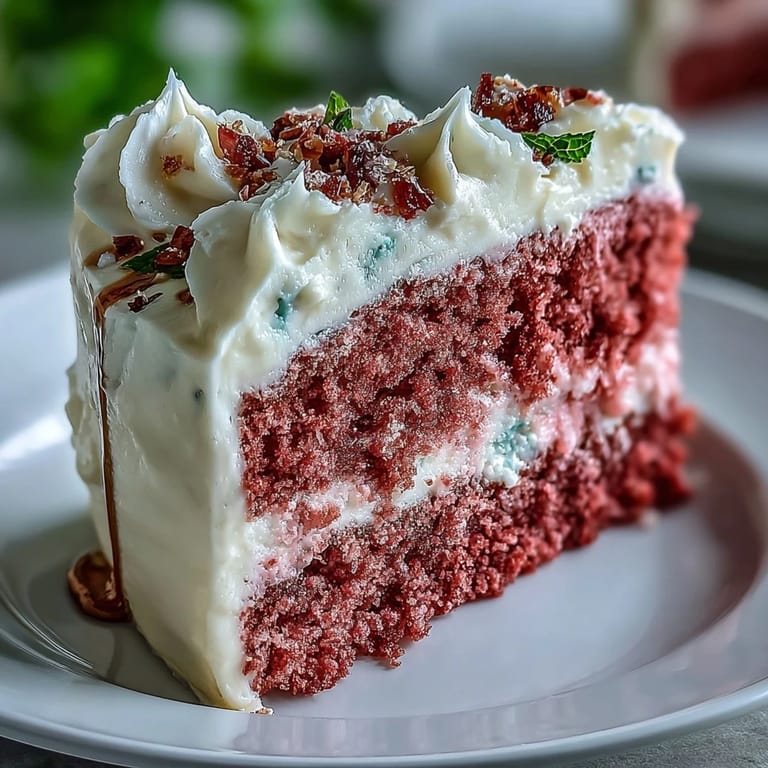
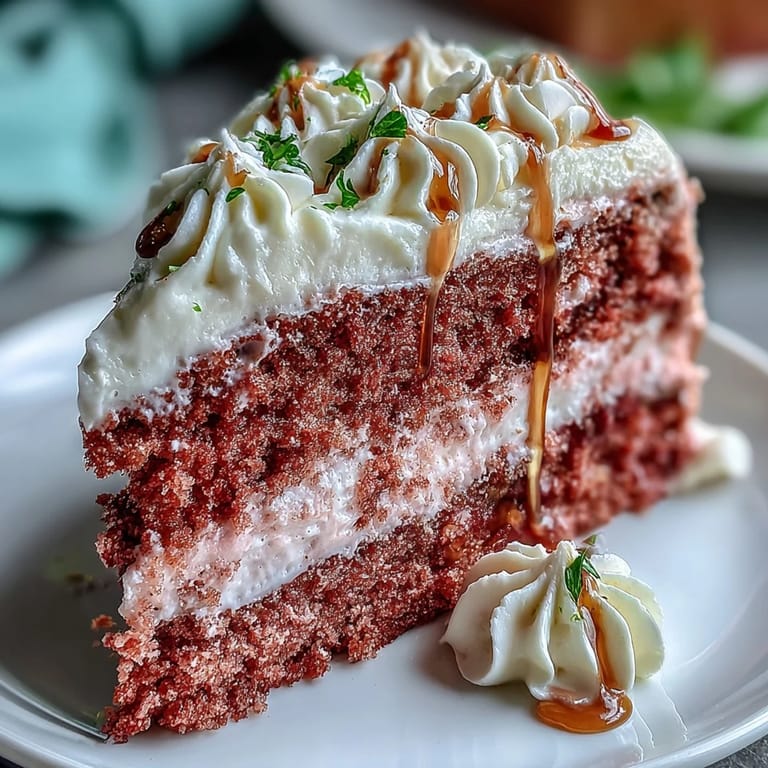
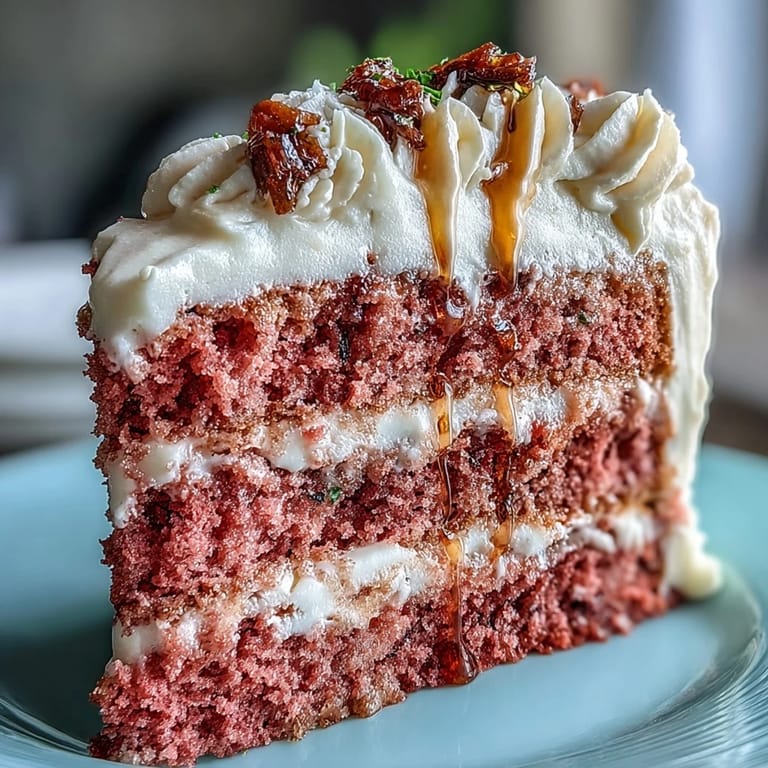
Save When we cut into the finished cake, onlookers gasped at the swirl of rose-pink layers shining beneath gold. It became more than dessert—it set a mood, scattered a little magic across the table, and became a story my family still tells at gatherings.
Choosing The Perfect Rosé
You don’t want anything too dry or too sweet—a balanced, fruity rosé gives the cake its signature whisper of flavor. I often taste a small splash before baking, saving the best for both glass and batter—never trust a bottle you wouldn’t sip!
Color Without Compromise
If you skip food coloring, your cake will still blush softly from the wine and cocoa, almost sun-kissed in natural light. But for a more vibrant layer, I use gel coloring—start with a toothpick’s tip and build up, swirling gently for a marbled effect if you feel playful.
Make-Ahead and Decoration Day
The layers can be baked and frozen a day ahead—just wrap tightly and bring to room temperature before frosting for best results. Gold luster dust works on set ganache but makes fingers sparkle, so have a slightly damp paper towel on standby.
- Chill your cake well before the drip so everything stays tidy.
- A clean offset spatula makes smoother sides.
- Don’t be afraid to add a few fresh edible flowers for a bridal finish.
 Save
Save This cake promises a little celebration with every slice, whether for showers or simply to brighten a long afternoon. I hope it brings shimmering joy to your kitchen, too.
Common Recipe Questions
- → Can I omit the alcohol?
Yes. Substitute equal parts pink grape juice or sparkling cider for the rosé to retain color and fruity notes without alcohol.
- → How do I get an even pink hue?
Add gel food coloring a few drops at a time until you reach the desired shade; gel provides more vivid color without altering batter consistency.
- → How do I prevent a soggy crumb when adding liquid?
Combine the rosé with buttermilk and add alternately with dry ingredients on low speed to maintain structure; avoid overmixing once combined.
- → Tips for a smooth cream cheese frosting?
Bring cream cheese and butter to room temperature, beat until silky, then add sifted confectioners’ sugar gradually to avoid graininess and ensure spreadable texture.
- → Best method for the gold drip?
Warm white chocolate with cream to make a pourable ganache, chill slightly, then spoon or pipe drips around the chilled cake edge. Paint set drips with gold luster mixed with a few drops of vodka or lemon extract.
- → How should leftovers be stored?
Cover tightly and refrigerate up to 4 days to protect frosting and decoration; bring slices to room temperature before serving for best texture.