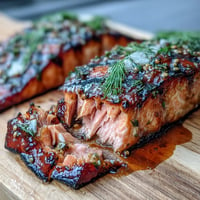
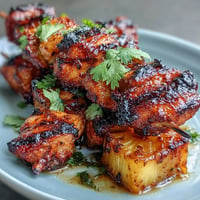
 Save
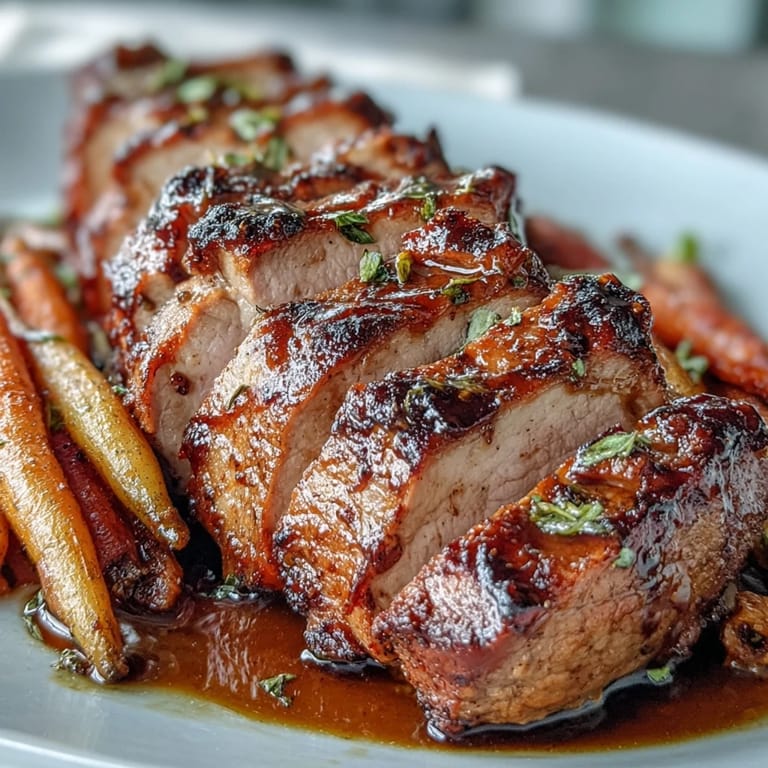
Save There's something about the sizzle of a pork tenderloin hitting a hot pan that makes me feel like I actually know what I'm doing in the kitchen. My neighbor casually mentioned she'd mastered one-pan dinners, and I thought, well, how hard could it be? Turns out, when you combine honey, balsamic vinegar, and perfectly roasted rainbow carrots on the same sheet, you've got something that looks restaurant-quality but tastes like home. The whole thing comes together in under an hour, which means you can go from raw ingredients to dinner on the table without losing your mind.
I made this on a Tuesday night when I was exhausted and had promised my family something better than cereal. Watching the carrots slowly turn golden while the pork rested was oddly meditative, and when my daughter asked what smelled so good, I realized I'd actually created something she wanted to eat without being forced. That's the moment this recipe became a regular in my rotation.
Ingredients
- Pork tenderloin: Get it trimmed at the butcher counter if you're not confident with a knife, and don't skip patting it dry before seasoning because that's what gives you a proper sear.
- Olive oil: Use the regular kind here, not your fancy stuff, since it's just a vehicle for flavor and will cook off anyway.
- Kosher salt and black pepper: These aren't just seasonings; they're the foundation that makes everything taste like itself.
- Honey: Raw or regular both work, but make sure it's actual honey and not the plastic bear kind if you care about the glaze texture.
- Balsamic vinegar: This is where the magic lives; the tanginess cuts through the richness of the pork and makes your mouth water.
- Dijon mustard: It acts like an emulsifier and adds a subtle sharpness that keeps the glaze from being one-note sweet.
- Garlic cloves: Mince them fine so they distribute throughout the glaze instead of sitting in chunks.
- Thyme: Fresh is always better if you have it, but dried works when you're being realistic about what's in your pantry.
- Rainbow carrots: The colors are fun and they taste slightly different from orange ones, but honestly, regular carrots work just as well if that's what you have.
Tired of Takeout? 🥡
Get 10 meals you can make faster than delivery arrives. Seriously.
One email. No spam. Unsubscribe anytime.
Instructions
- Get your oven ready and prep your pan:
- Heat your oven to 425°F and line a large rimmed baking sheet with parchment paper or foil. This step feels small, but it saves you from scrubbing for twenty minutes later.
- Coat and arrange the carrots:
- Toss your halved rainbow carrots with olive oil, salt, and pepper, then arrange them around the edges of the baking sheet, leaving the center open for the pork. They'll have room to caramelize and won't crowd each other out.
- Season the pork properly:
- Pat your pork tenderloin completely dry with paper towels, then rub it all over with olive oil, salt, and pepper. The dryness is crucial because moisture prevents browning, and you want that gorgeous caramelized exterior.
- Make your glaze:
- Whisk together honey, balsamic vinegar, Dijon mustard, minced garlic, and thyme in a small bowl until it looks like a thick marinade. Taste it if you want; it should make you stop and think about how good it'll be.
- First glaze and roast:
- Brush half the glaze over the pork and slide everything into the oven for 15 minutes. You'll start smelling those caramelizing carrots almost immediately.
- Add the second glaze coat:
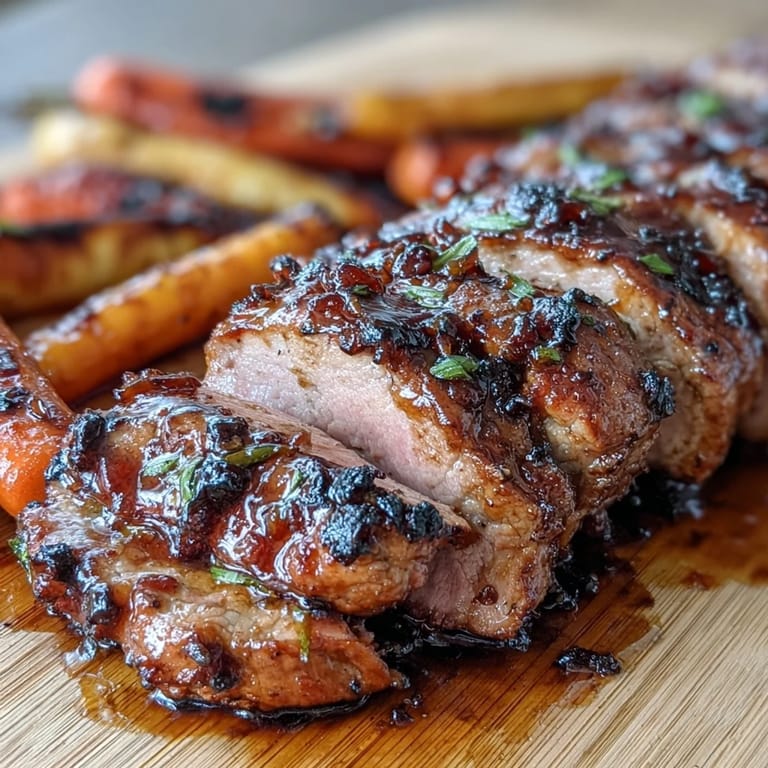
- Pull the pan out, brush the remaining glaze over the pork, and return it to the oven for another 10 to 15 minutes until the pork reaches 145°F internally. A meat thermometer is your friend here; guessing is how you end up with dried-out pork.
- Rest and serve:
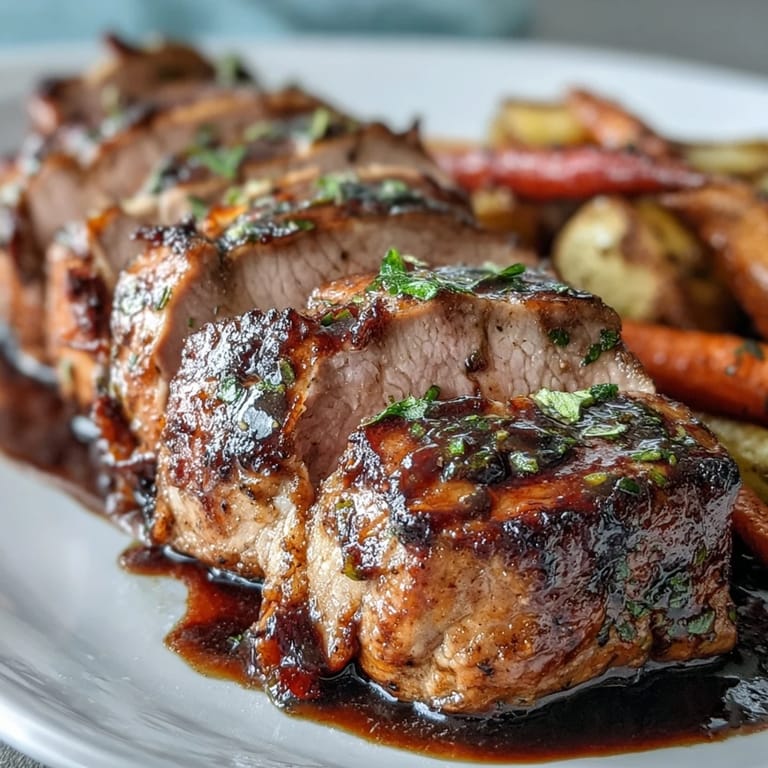
- Let the pork rest on a cutting board for five minutes before slicing so the juices redistribute instead of bleeding all over your plate. Serve it with those caramelized carrots and whatever pan juices are left behind.
 Save
Save Last month, my partner came home just as I was plating this, and he stopped in the doorway and asked if I'd ordered from somewhere fancy. For a split second, I let him think that, then I grinned and told him to sit down. Watching him taste it and realize I'd made something he thought came from a restaurant felt like winning something.
Why This Works as a Weeknight Dinner
The beauty of this dish is that it respects your time and your energy levels. Unlike recipes that make you juggle three burners and a bunch of dirty bowls, this one asks you to do one real task and then let the oven do the work. I've learned that cooking doesn't have to be complicated to taste impressive, and this recipe proves it every time I make it.
The Glaze is Everything
The honey-balsamic combination does something I didn't expect the first time I made this. The heat of the pork caramelizes the glaze into this deeply flavored coating that tastes nothing like the separate ingredients. The Dijon mustard is the unsung hero here because it adds depth and keeps the glaze from tasting like straight sugar, which would be cloying. I've tried skipping it out of laziness, and the result was noticeably flatter, so I never do that anymore.
Timing and Temperature Matter
Cooking pork to exactly the right temperature used to feel like guessing, but I got over that fear and invested in a decent meat thermometer, and it changed everything. The magic number is 145°F, and the difference between 140 and 150 degrees is genuinely noticeable in how tender the meat stays. Those extra five minutes of resting time also seem pointless until you slice into the pork and realize the juices actually stay inside the meat instead of pooling on the board. Here's what makes the real difference:
- Use a meat thermometer inserted into the thickest part of the pork to know exactly when it's done.
- Rest the pork after cooking because that's when carryover cooking finishes the job and the fibers relax.
- Start checking the temperature around the 20-minute mark so you don't accidentally overcook it.
 Save
Save This recipe has become my answer to the question of what to make when you want something that feels special but doesn't require a whole afternoon. It's the kind of dinner that reminds you why cooking at home beats eating out most nights.
Common Recipe Questions
- → What temperature should the pork tenderloin be cooked to?
Cook pork tenderloin until it reaches an internal temperature of 145°F (63°C) for safe consumption and optimal juiciness.
- → Can I substitute rainbow carrots with other vegetables?
Yes, regular carrots or parsnips can be used as alternatives and will roast well alongside the pork.
- → How do I ensure the glaze sticks well to the pork?
Pat the pork dry, rub it with olive oil, then brush on half of the glaze before roasting. Apply the remaining glaze halfway through cooking for the best flavor coating.
- → What sides pair well with honey balsamic pork tenderloin?
Serve with roasted vegetables or a light salad. A glass of Pinot Noir complements the dish nicely.
- → Can this dish be prepared ahead of time?
You can prepare the glaze and vegetables in advance, but roast the pork just before serving to maintain tenderness and flavor.