 Save
Save There's something about the smell of hojicha that stops me mid-morning. My neighbor brought back a tin from Tokyo and left it on my doorstep with a note that said try this when you need to slow down. I stared at that dusty green powder for weeks, intimidated, until one rainy Tuesday when the usual coffee felt too sharp and I remembered her gift sitting in my pantry. That first sip changed how I think about afternoons entirely.
I made this for my partner on a Sunday when they were grumpy about something work-related, and they went quiet halfway through the cup. Not upset quiet, but the kind where you can tell someone's actually present again. They asked if I could make it every Sunday, and honestly, that request meant more than the drink itself, though this hojicha latte deserves some of the credit for the mood shift.
Ingredients
- Hojicha powder: This roasted green tea is the soul of the drink, with a toasty warmth that coffee just can't replicate. Buy it from a Japanese market or online if you can, because the quality makes a real difference in how smooth it tastes.
- Boiling water: Exactly boiling, not cooling off, because you want that powder to dissolve completely and create a tiny bit of natural foam on top.
- Plant milk (oat, soy, or almond): Oat milk froths beautifully and adds creaminess without any weird aftertaste, though soy milk is a close second if that's what you have on hand.
- Pure vanilla extract: The real thing matters here because imitation vanilla will taste thin and chemical in such a simple drink. A good vanilla extract is worth the extra dollar.
- Maple syrup or sweetener: This is optional but recommended, especially if hojicha tastes a bit bitter to you at first. Start with less than you think you need.
Tired of Takeout? 🥡
Get 10 meals you can make faster than delivery arrives. Seriously.
One email. No spam. Unsubscribe anytime.
Instructions
- Dissolve the hojicha:
- Pour boiling water directly into your mug and add the hojicha powder, whisking constantly until you see it break down and start to get foamy. This takes about a minute of actual effort, and you'll know it's ready when there are no grainy bits left and the whole thing smells incredible.
- Prepare the milk:
- While that's happening, heat your plant milk in a small saucepan over medium heat, whisking it gently as it steams. You want it hot enough that steam rises consistently, but stop before it bubbles at the edges.
- Season the milk:
- Pour the vanilla extract and your chosen sweetener into the warm milk and stir it in thoroughly so every sip has that gentle vanilla note. Taste it plain for a second before you combine everything, so you know what you're working with.
- Bring it together:
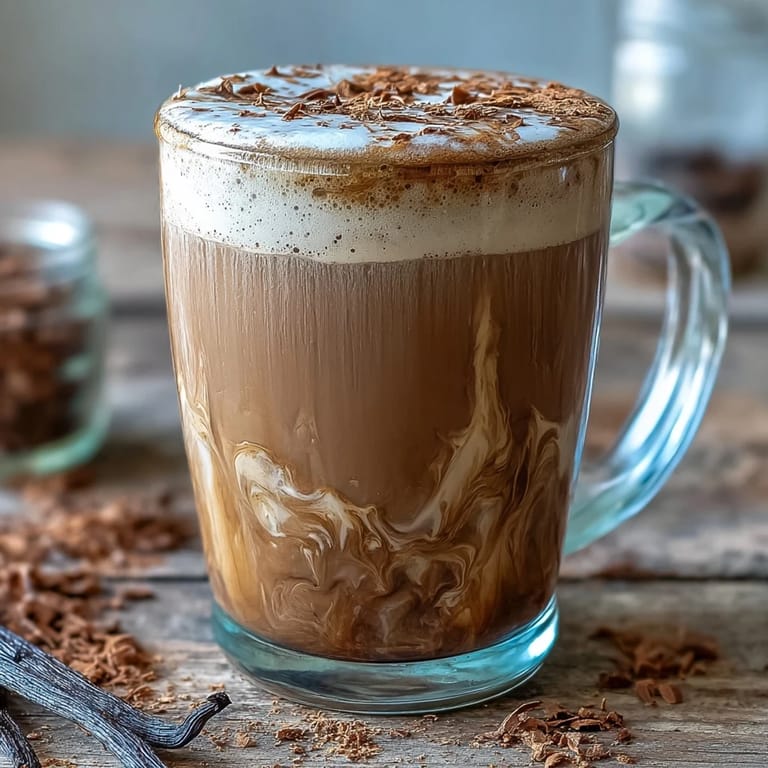
- Slowly pour the steamed milk over your hojicha mixture, holding back the foam with a spoon if you want it on top or letting it all combine if you prefer a more even texture. Give it a gentle final stir and drink it while it's still warm enough to matter.
 Save
Save My mother tried this once and said it tasted like something she'd had in Kyoto thirty years ago, though I'm fairly certain I invented this exact combination. But that's the magic of hojicha, I think. It tastes old and safe even when you're making it up as you go.
The Froth Question
You can make this drink fancy or keep it simple, and both versions are equally valid. If you have a milk frother, use it on the plant milk before pouring to get a real café-style layer on top, which does feel special and looks impressive. If you don't have one, honestly, it's fine. The drink is delicious either way and the lack of froth won't ruin anything.
When Hojicha Tastes Wrong
Some batches of hojicha powder taste earthier or more bitter than others, depending on where it's from and how long it's been sitting in storage. If your first attempt tastes too intense or grassy, add a bit more sweetener or vanilla, and definitely try a different brand next time. This isn't a failure on your part; it's just the reality of working with a natural ingredient that has real variation.
Variations and Reasons to Experiment
Once you've made this basic version a few times, you'll start seeing possibilities everywhere. A pinch of cardamom in the milk feels fancy. A tiny drizzle of matcha in addition to the hojicha gives you a more complex flavor if you're feeling adventurous. You could even add a shot of espresso if you want the opposite of low-caffeine and haven't thought through your decision yet.
- A touch of sea salt in the hojicha mixture brings out the roasted flavor in a way that makes you wonder why this isn't on every menu.
- Chilled with almond milk and served over ice becomes a totally different drink that works in summer when you still want that hojicha feeling.
- A small splash of alcohol-free vanilla syrup instead of extract creates a smoother sweetness if you're making this for someone who really dislikes the bitter edge.
 Save
Save This drink has become my quiet moment drink, the one I make when I need to reset or think something through. I hope it becomes something like that for you too.
Common Recipe Questions
- → What does hojicha taste like?
Hojicha offers a distinctive roasted, nutty flavor with earthy undertones and lower astringency than other green teas. The roasting process creates warm, toasty notes that pair exceptionally well with vanilla and creamy milk.
- → Is this latte suitable for people avoiding caffeine?
Hojicha naturally contains lower caffeine levels compared to other green teas due to the roasting process, making it an excellent choice for those seeking gentler energy. However, it does contain some caffeine.
- → Which plant milk works best for this preparation?
Oat and soy milk produce the creamiest texture and froth well when heated. Almond milk also works but may yield a lighter consistency. Choose unsweetened varieties to control sweetness levels with maple syrup.
- → Can I use hojicha tea bags instead of powder?
Powder dissolves directly for a smooth, integrated texture. Tea bags will work but produce a lighter flavor since the leaves remain contained. Steep tea bags longer than usual to extract more roasted flavor before removing.
- → How can I make this latte extra frothy?
Use a handheld milk frother, blender, or whisk to aerate the heated plant milk before pouring. Blending for 30 seconds creates micro-bubbles that hold well, giving your drink a café-style presentation.
- → What's the ideal serving temperature?
Serve immediately while steaming hot for the most comforting experience. The aromatics peak around 150-160°F. If reheating, avoid boiling to prevent scalding the plant milk and altering its flavor.