 Save
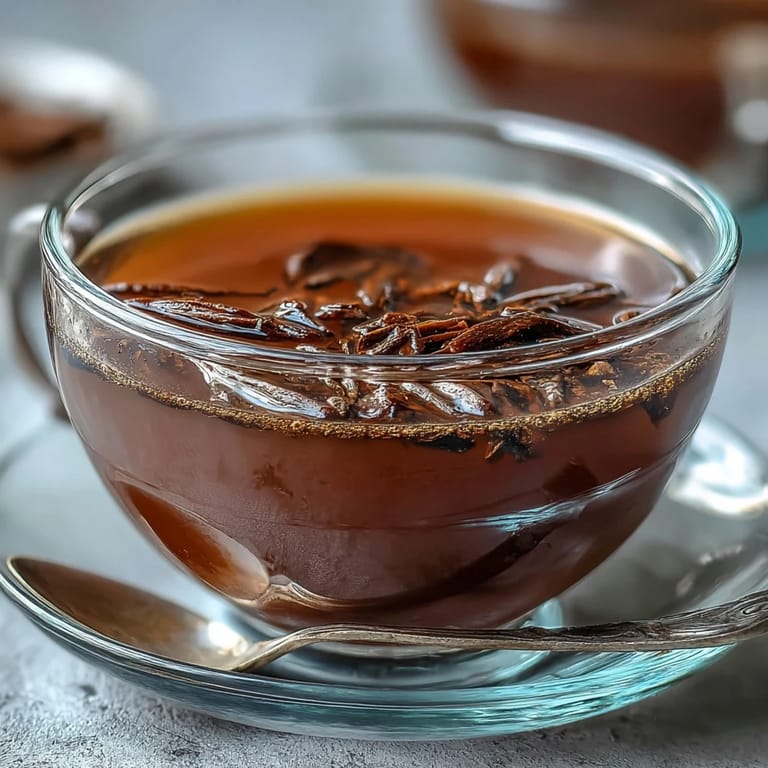
Save Last winter, stuck inside on a gray afternoon, I stumbled upon hojicha at a small Japanese import shop and bought it on impulse, intrigued by its chestnut-brown color and the promise of something warm without caffeine jitters. That first cup changed how I thought about tea entirely, tasting less like a delicate ritual and more like wrapping my hands around comfort. It's become my answer to the 4 p.m. slump when coffee feels too aggressive and regular tea too forgettable. There's something almost meditative about how the roasted leaves transform plain water into liquid warmth.
I made this for my sister on a quiet Sunday morning when she arrived complaining about how coffee had been keeping her up all night, and watching her face soften after that first sip felt like giving her permission to slow down. She's been a devoted convert ever since, often texting me photos of her hojicha from different corners of her apartment. It's become less about the drink and more about the moments it creates—the kind where you're not trying to accomplish anything, just exist for seven minutes.
Ingredients
- Hojicha loose leaf tea or tea bag: Look for a reputable Japanese tea supplier, as the roasting process makes all the difference in that deep, almost toasty flavor—the difference between a tea bag and loose leaf is mostly about convenience versus slightly more nuanced taste.
- Filtered water: The quality of your water matters more than you'd think; filtered removes chlorine that can muddy the subtle roasted notes hojicha works so hard to deliver.
Tired of Takeout? 🥡
Get 10 meals you can make faster than delivery arrives. Seriously.
One email. No spam. Unsubscribe anytime.
Instructions
- Bring water to the right temperature:
- Heat your filtered water to about 90°C (194°F)—just shy of boiling, where small bubbles form around the edges but nothing's rolling. This matters because hojicha leaves are delicate despite their roasted appearance, and overly boiling water will turn your tea bitter and harsh.
- Prepare your vessel:
- Add your hojicha to either a teapot for a full ritual or straight into your mug if you're keeping it simple. The tea bag is convenient; loose leaf gives you slightly more flavor complexity and a moment of genuine care when you're measuring it out.
- Pour with intention:
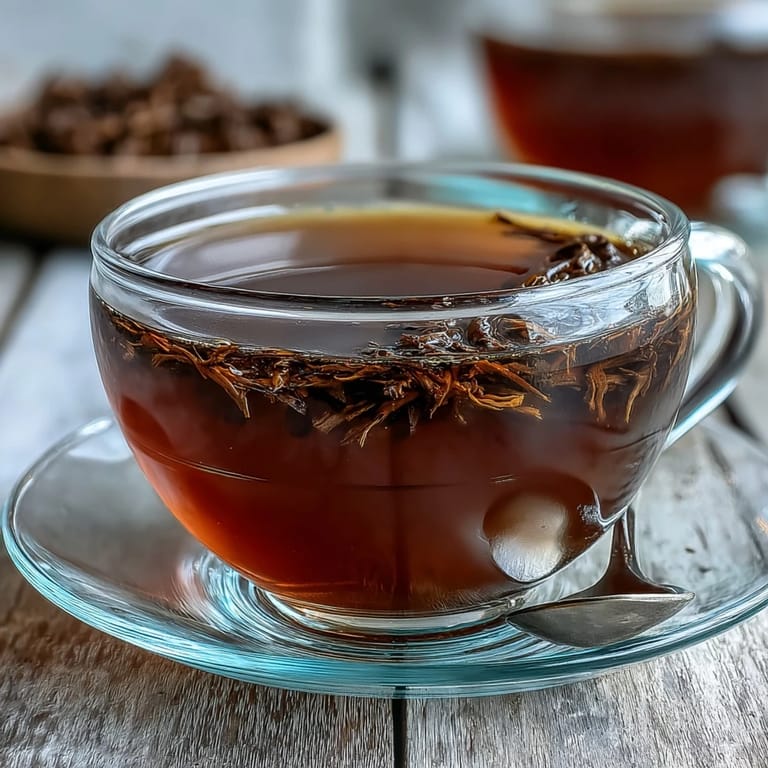
- Slowly pour the hot water over your hojicha, letting it bloom for just a moment before fully submerging. You'll notice the water begin shifting to that warm amber-brown within seconds—that's the roasted notes unfolding.
- Steep and adjust:
- Let it sit for three to four minutes, tasting at the three-minute mark to decide if you want it deeper and more assertive or lighter and more delicate. This is your moment to make it exactly yours, not following a timer someone else set.
- Strain and serve:
- If using loose leaf, strain out the leaves into another cup or directly into your favorite mug. Serve immediately while it's still steaming, ideally in something you actually enjoy holding.
 Save
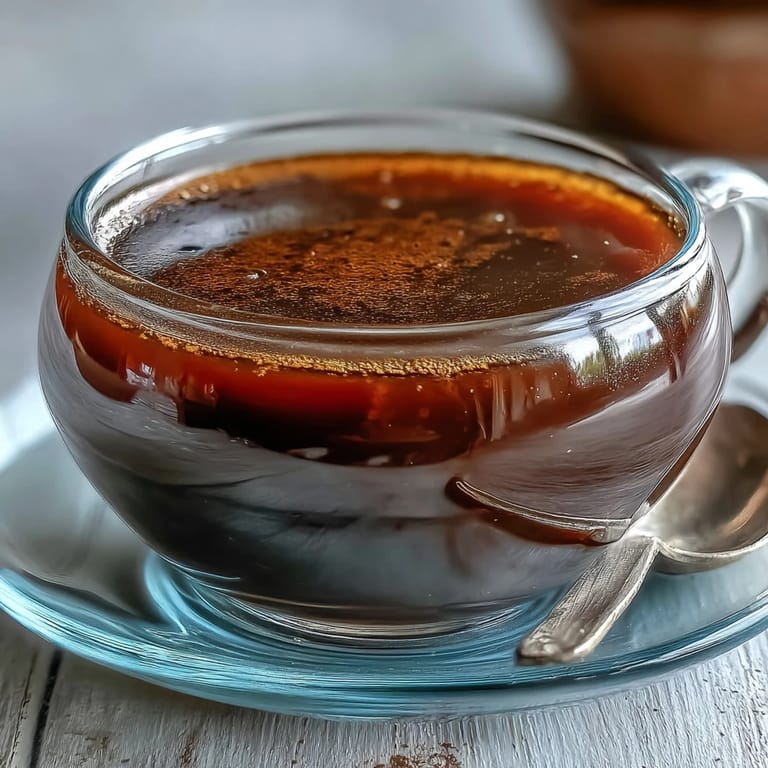
Save There was a Tuesday morning when a friend visited and I made her this hojicha, and she sat at my kitchen counter without her phone, without distraction, just present with the cup warming her hands. It felt like the beverage itself had given us permission to be still together, and she left saying she finally understood what I meant about it being more than just tea.
The Roasting Process and Why It Matters
Hojicha is green tea that's been roasted at high heat until it transforms into those distinctive brown leaves, a process that strips away much of the caffeine while deepening the flavor into something almost earthy and nutty. The roasting gives it a coffee-like body without any of the acidity or bitterness coffee brings, which is why it feels so comforting in the late afternoon when you want something warm but don't want to negotiate with sleep later. Once you understand that this is tea that's been given a second life through fire, the whole cup feels intentional in a way that matters.
Making It Your Own
The beauty of a hojicha Americano is how honest it is—there's nowhere to hide, no complexity to mask a mediocre ingredient, just tea and water creating something genuine. Some mornings I drink it plain, letting the toasted grain flavors speak for themselves, while other times I splash in a bit of oat milk to make it feel like a gentle embrace. You might sweeten it with honey or maple syrup, and that's not betraying the recipe; that's listening to what you need that day.
Timing and Patience
This isn't a beverage you rush, though it takes barely any time to make—the slowness is intentional, a small rebellion against the pace of everything else. The five minutes of steeping become five minutes where your only job is to be present, to smell the roasted tea leaves unfurling, to watch the color deepening in the cup. It's an easy lesson in how something simple done with attention becomes something worth savoring.
- If you're using loose leaf, invest in a small mesh strainer or infuser basket—it makes the whole process feel more deliberate and meditative.
- Keep your hojicha in an airtight container away from light and strong smells, as the roasted leaves absorb odors and can lose their delicate qualities.
- Make a larger batch in a teapot if you're sharing with someone; watching another person's face when they taste something genuinely good never gets old.
 Save
Save A hojicha Americano isn't complicated, but it's complete—seven minutes that remind you why people have been drinking tea for thousands of years. Make it for yourself on a quiet afternoon, or better yet, make it for someone you want to slow down alongside.
Common Recipe Questions
- → What makes Hojicha different from regular green tea?
Hojicha is roasted at high temperatures, which changes the leaf color from green to reddish-brown and creates a distinctively nutty, caramel-like flavor profile. This roasting process also significantly reduces caffeine content compared to other Japanese green teas.
- → Can I make this with cold water?
Yes, you can create a cold brew version by steeping hojicha in cold water for 6-8 hours in the refrigerator. The flavor will be smoother and mellower than the hot preparation method.
- → Is Hojicha Americano suitable for children?
Due to its naturally low caffeine content, hojicha is often considered appropriate for children and those sensitive to caffeine. However, it still contains small amounts, so moderation is recommended.
- → What's the best way to store hojicha leaves?
Store hojicha in an airtight container away from light, heat, and moisture. The roasted leaves are more stable than unroasted green tea, but proper storage will maintain freshness and flavor for 6-12 months.
- → Can I reuse hojicha leaves for a second steep?
Yes, hojicha leaves can typically be steeped 2-3 times. The second infusion will be lighter and more delicate, while still maintaining the characteristic roasted flavor. Increase steeping time by 1-2 minutes for subsequent infusions.
- → Why is it called an Americano?
The name Americano refers to the preparation style and strength similarity to coffee Americano—both are made with hot water to create a full-bodied beverage with coffee-like depth. This tea version offers a gentler alternative with similar satisfaction.