 Save
Save There's something about the sound of a Dutch oven lid clattering shut that signals the beginning of something serious in the kitchen. Years ago, a friend handed me a pint of Guinness and said, "Trust me," before I even knew what I was making. That stew changed how I think about cooking—not as following instructions, but as building flavor, layer by layer, with ingredients that seem unlikely until they're not.
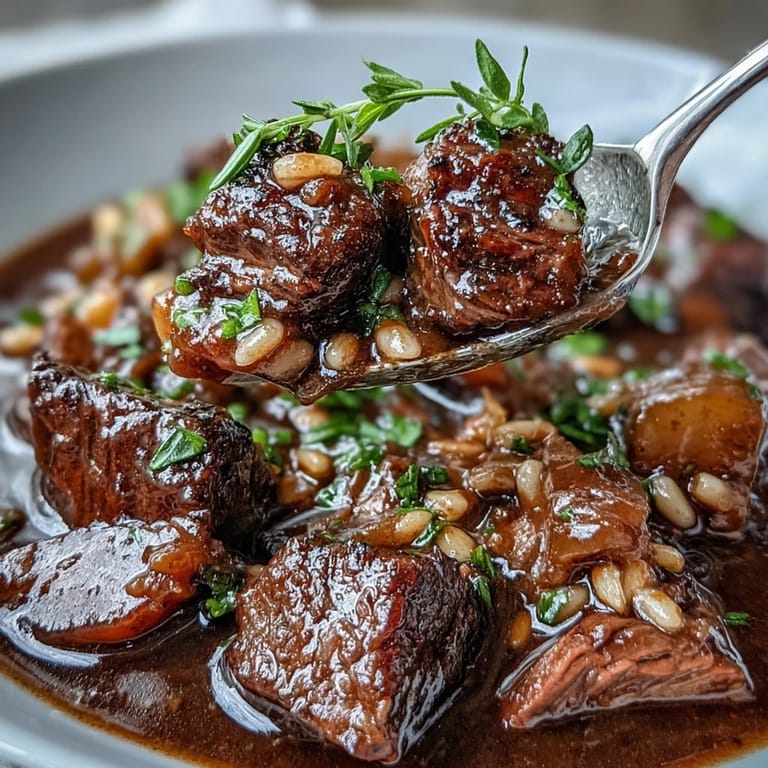
I made this for my dad on a wet November afternoon when he'd been complaining about how store-bought stew never tasted like anything worth remembering. He sat at the kitchen counter while I worked, and by the time the barley had softened into creamy pearls, the whole house smelled like an Irish pub, but warmer and more honest somehow.
Ingredients
- Beef chuck (2 lbs, cut into 1-inch cubes): This cut has just enough marbling to stay tender during long cooking, and it breaks down beautifully without turning to mush.
- Olive oil (2 tablespoons): Use enough to get a good sizzle when the beef hits the pot, but don't skimp thinking a little will do.
- Yellow onion (1 large, diced): Yellow onions have a natural sweetness that balances the earthiness of root vegetables and the slight bitterness of Guinness.
- Garlic (3 cloves, minced): Add it after the onions soften so it doesn't burn and turn bitter—timing matters here.
- Carrots, parsnips, and celery (3 carrots, 2 parsnips, 2 celery stalks, all sliced): These are your flavor foundation, so don't rush through the chopping; uneven pieces cook at different rates.
- Potatoes and rutabaga (2 medium potatoes and 1 small rutabaga, diced): The potato thickens the broth naturally as it breaks down, while rutabaga adds an earthy, almost sweet note that surprised me the first time.
- Tomato paste (1 tablespoon): A small amount deepens the color and adds umami without making the stew taste tomatoey.
- Pearl barley (3/4 cup, rinsed): Rinsing removes excess starch so the barley stays distinct rather than making everything gluey; this was a game-changer for me.
- Guinness stout (1 can or bottle, 440 ml): The beer is not just liquid—it's a seasoning that adds caramel notes and a subtle depth that beef broth alone cannot.
- Beef broth (4 cups): Use good broth here because it's the foundation; weak broth makes a weak stew, and there's no fixing that later.
- Water (1 cup): This tempers the intensity and keeps the stew from becoming too concentrated.
- Thyme and rosemary (2 teaspoons dried thyme, 1 teaspoon dried rosemary): These herbs are dried, so they need time to release their oils; they're why the stew smells like comfort.
- Bay leaves (2): They're there to be fished out later, but their subtle flavor works in the background the whole time.
- Worcestershire sauce (1 tablespoon): A tablespoon brings savory depth and a whisper of something you can't quite name, which is exactly what you want.
- Salt and black pepper (2 teaspoons salt, 1 teaspoon black pepper): Season the beef before browning, and taste again at the end because you might need a pinch more.
- Fresh parsley (optional garnish): A handful of green at the end catches the light and reminds people this is made with care.
Tired of Takeout? 🥡
Get 10 meals you can make faster than delivery arrives. Seriously.
One email. No spam. Unsubscribe anytime.
Instructions
- Heat your pot and prepare for the sear:
- Get your Dutch oven hot over medium-high heat with the olive oil until it's shimmering and almost smoking—this is when you know it's ready to brown meat properly. You want a serious sizzle, not a timid sizzle.
- Brown the beef in batches:
- Season your beef cubes generously with salt and pepper, then place them in the hot pot without crowding; they need space to develop a brown crust, which takes about 5 minutes per batch. Don't rush this step—the browning creates flavor you cannot get any other way, and moving the pot to a plate while you finish the batches keeps the temperature steady.
- Build your flavor base with vegetables:
- In the same pot, add the onion and let it soften for 3 to 4 minutes until it's turning translucent. Then add the garlic, carrots, parsnips, celery, potatoes, and rutabaga, and sauté everything together for 5 minutes so the vegetables start to release their sweetness.
- Deepen the flavor with tomato paste:
- Stir in the tomato paste and cook it for about 1 minute, letting it caramelize slightly in the hot pot. This tiny step transforms the paste from sharp to mellow.
- Bring everything together:
- Return the beef to the pot, then add the barley, Guinness, beef broth, water, thyme, rosemary, bay leaves, and Worcestershire sauce. Stir gently so you're combining flavors without breaking up the vegetables, and you'll notice the Guinness darkens everything beautifully.
- Bring to a boil, then simmer low and slow:
- Let the pot come to a boil uncovered so you see the liquid moving and the flavors starting to meld. Then cover it, reduce the heat to low, and let it simmer gently for 1.5 to 2 hours, stirring occasionally, until the beef is fork-tender and the barley has softened into creamy, nutty pearls.
- Finish and adjust:
- Fish out the bay leaves before serving, then taste and adjust the seasoning with a pinch of salt or pepper if needed. This is your moment to make it exactly right for your palate.
 Save
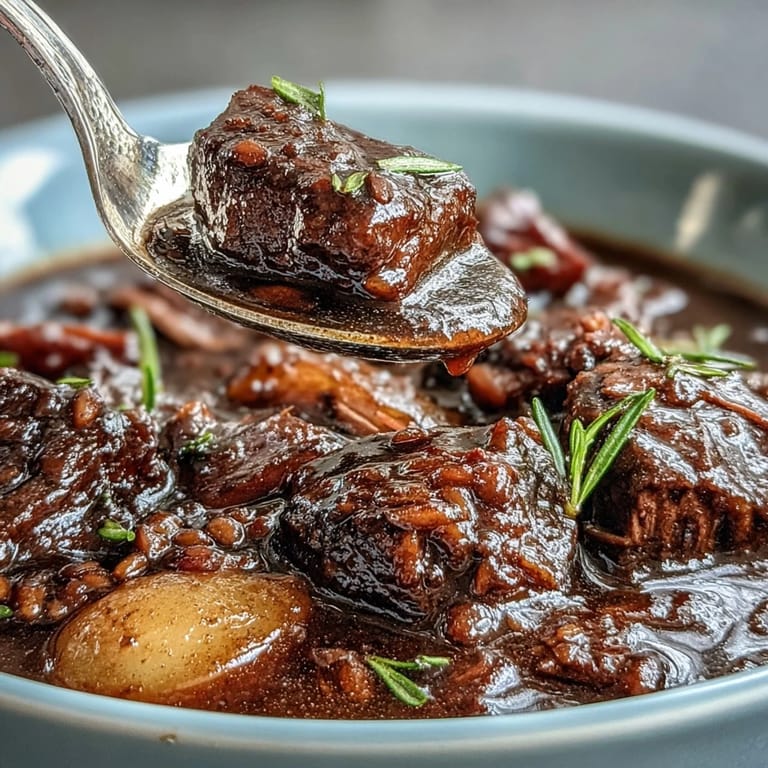
Save The first time someone told me this stew was even better the next day, I thought they were being polite. Then I reheated it and understood—overnight, all those separate flavors had gotten to know each other, the barley had soaked up more of the broth, and the beef had relaxed into tenderness that felt inevitable.
Why This Stew Works
This isn't a stew that tries to be flashy. It's built on the principle that time and modest ingredients, treated with respect, create something worth sitting down for. The Guinness is the secret that nobody expects, but once you taste it, you realize it was always supposed to be there—it adds caramel sweetness and a subtle bitterness that keeps the stew interesting instead of one-note. The barley isn't just filler; it absorbs flavor and adds a texture that makes you slow down and pay attention.
The Root Vegetables Matter
I used to think all root vegetables were the same in a stew, but they're not. Carrots add sweetness, parsnips add earthiness with a hint of nuttiness, and rutabaga brings something almost elusive—a savory-sweet quality that makes people ask what it is. If you can't find rutabaga, turnip works beautifully, and in a pinch, sweet potato adds warmth. The celery and potatoes round everything out, but it's the less common ones that make this stew feel like it came from someone's kitchen, not a factory.
Serving and Storage Wisdom
Serve this hot in deep bowls with crusty bread to soak up the broth, and if you want it thicker, you can gently mash some of the potatoes and vegetables against the side of the pot before ladling. It keeps beautifully in the refrigerator for 4 days and freezes well for up to 3 months, so make extra knowing you have easy meals waiting.
- A sprinkle of fresh parsley on top adds brightness and makes people notice you cared.
- If you're avoiding alcohol, use extra beef broth instead of Guinness and you'll get a different but equally satisfying stew.
- This dish tastes best when you take your time making it, so don't treat it like you're rushing—the kitchen becomes a calmer place when you're not hurried.
 Save
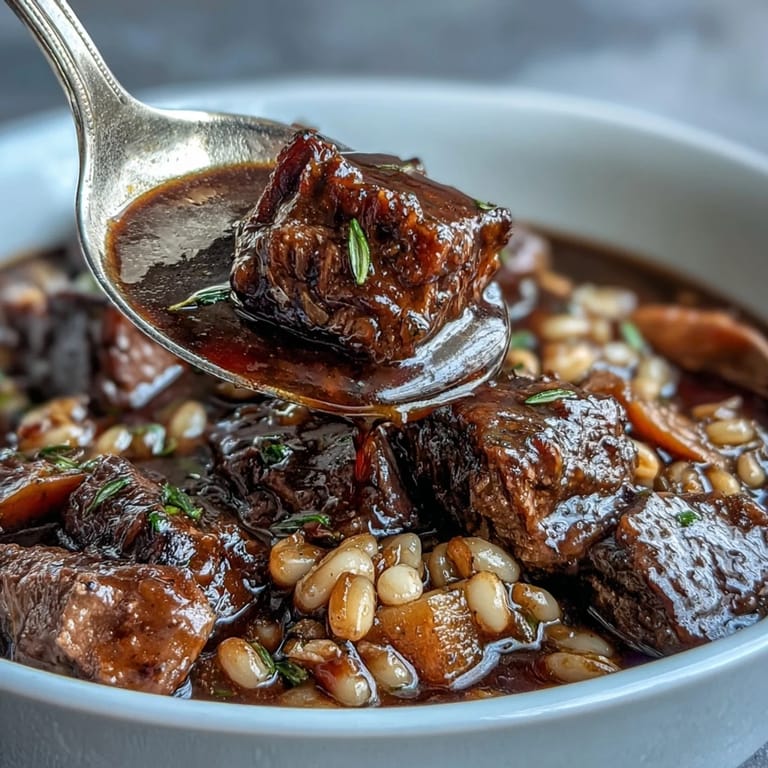
Save This stew has a way of making ordinary evenings feel like they matter, and that's the real magic of it. Make it when you need comfort, or when you want to remind someone they're worth feeding well.
Common Recipe Questions
- → What cut of beef is best for this stew?
Beef chuck cut into 1-inch cubes works perfectly, as it becomes tender and flavorful after slow simmering.
- → Can I use a different stout instead of Guinness?
Yes, substituting with another stout beer works well for a similar depth without altering the dish's character significantly.
- → How do I thicken the stew if it’s too runny?
Try mashing some potatoes and vegetables against the pot’s side before serving to create a thicker texture naturally.
- → What root vegetables are included in the stew?
The stew features carrots, parsnips, celery, potatoes, and rutabaga, providing earthy sweetness and texture.
- → Is it better to prepare this stew ahead of time?
Flavors deepen when reheated the next day, making it an excellent make-ahead dish for richer taste.