 Save
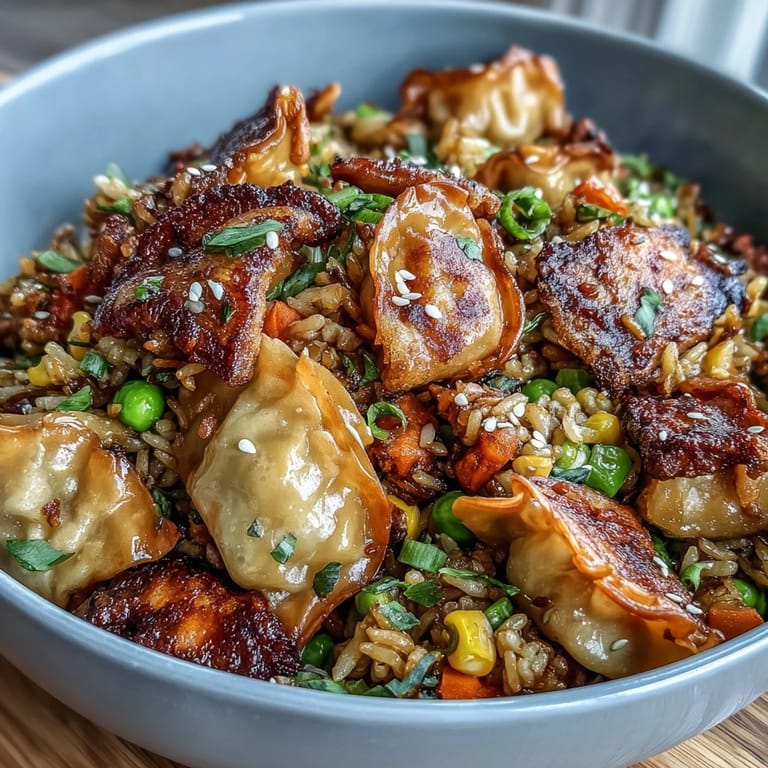
Save There's something magical about turning a container of forgotten dumplings into dinner, and this stir-fry has saved me more times than I can count. One Thursday night, I opened my freezer hunting for inspiration and found half a dozen Trader Joe's dumplings tucked behind a bag of peas, leftover from weekend takeout. That's when it clicked—why not combine them with rice and create something entirely new? Fifteen minutes later, I had a steaming bowl of crispy, savory comfort that tasted like I'd actually planned the meal instead of scrambling.
I made this for my roommate on a random Tuesday when she came home exhausted from work, and watching her face light up when she tasted that first bite reminded me why I love cooking simple things. She asked for the recipe that same night, and now it's become our go-to lazy dinner. There's something about a dish that feels fancy enough to impress but casual enough to throw together without fussing.
Ingredients
- Cooked dumplings: Six pieces are the sweet spot for texture and bulk—they add chewiness and substance without overpowering the rice, and using leftovers means less waste and more flavor since they've been sitting with their fillings developing deeper taste.
- Cooked jasmine or long-grain rice: Use chilled rice if you can because it separates beautifully when hit with heat, creating those delicious crispy bits instead of turning mushy; day-old rice from the fridge is actually your secret weapon here.
- Frozen mixed vegetables: They defrost gently in the pan without releasing excess moisture, and honestly, keeping a bag of these in your freezer means you can make this dish happen anytime without planning ahead.
- Green onions: Slice them fresh right before cooking—they add a bright, sharp finish that prevents the whole dish from tasting heavy.
- Soy sauce: This is where the umami magic happens, and a good soy sauce makes the difference between eating something good and eating something you'll crave again.
- Toasted sesame oil: A small amount goes far because the flavor is concentrated and nutty; never cook with it on high heat or it turns bitter, so always add it near the end or drizzle it in as finishing touch.
- Fresh garlic and ginger: Even the small amount in this recipe matters—that brief sauté at the start fills your entire kitchen with an aroma that tells you dinner is actually happening.
Tired of Takeout? 🥡
Get 10 meals you can make faster than delivery arrives. Seriously.
One email. No spam. Unsubscribe anytime.
Instructions
- Prep your dumplings:
- Cut your cooked dumplings into rough, bite-sized pieces and set them aside on a plate. If they're still partially frozen, don't worry—they'll finish cooking in the pan.
- Heat your pan and toast the aromatics:
- Pour sesame oil into a large skillet over medium-high heat, then quickly add your minced garlic (and ginger if you're using it), stirring constantly for just 30 seconds until the smell hits you and you know something good is about to happen. That moment when the kitchen fills with that toasted aroma is when you know you're on the right track.
- Soften the vegetables:
- Toss in your frozen vegetables and any shredded cabbage, stirring often for 2 to 3 minutes until they start to soften and the color becomes more vivid. You want them tender but still with a little bite—not mushy.
- Bring the rice and dumplings together:
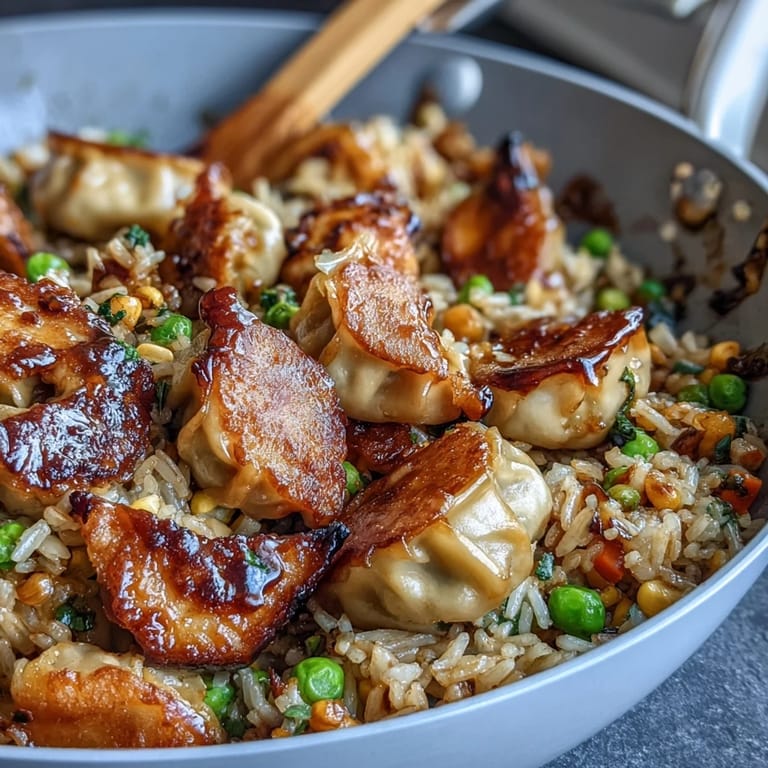
- Add your chopped dumplings and cold rice all at once, breaking up any clumps with your spatula as you go, stirring constantly until everything is combined and heated through. This is where the dish really starts to smell incredible.
- Season and crisp:
- Pour the soy sauce over everything, sprinkle the black pepper, and keep stirring for another 3 to 4 minutes until the rice starts to develop golden, slightly crispy edges where it touches the hot pan. Listen for that gentle crackling sound—that's flavor developing.
- Finish with brightness:
- Stir in your sliced green onions right at the very end, take it off heat, and taste for seasoning before serving. The heat from the rice will soften the onions just slightly while keeping them fresh.
 Save
Save Last month, my eight-year-old nephew watched me make this and asked if dumplings could go in fried rice, and I realized in that moment how this dish works because it respects all the parts—nothing gets lost, everything gets elevated. That's the kind of meal worth knowing how to make, the kind that tastes like both care and ease.
The Magic of Texture
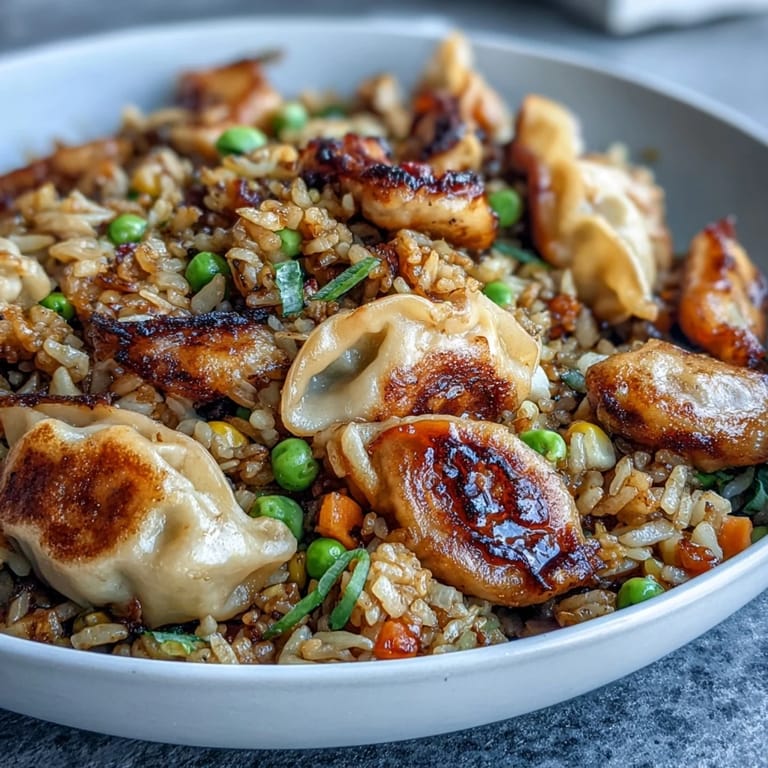
What makes this fried rice different from the basic kind is that interplay between the chewy dumplings, the crispy rice edges, and the soft vegetables. The dumplings bring richness and a meaty quality even though they're mostly vegetables or seafood or pork, and when you break them into pieces, their seasoning distributes throughout the whole dish like a whispered flavor that you taste in every bite but can't quite place. The rice provides the structure and that necessary bulk that makes this feel like a real meal instead of a snack, and it's the canvas for everything else.
Timing and Temperature
This whole process should take you about 12 minutes from pan to plate, and the key is keeping your heat at medium-high rather than blasting everything on high—you're trying to fry, not scorch, and there's a real difference. The slower heat also gives you time to actually watch what's happening in the pan instead of everything browning in 90 seconds while you're looking away. I learned this the hard way when I got impatient and ended up with burnt garlic and uncooked centers, and now I'm a believer in medium-high being the sweet spot.
Variations and Personal Touches
The best part about this recipe is how forgiving it is when you start substituting things based on what you have. I've made it with scrambled eggs mixed in, with shredded carrots instead of the frozen mix, with bok choy torn into pieces, with different dumpling varieties, even with a splash of rice vinegar added to the sauce because I was feeling that brightness one night. Every version tastes slightly different but equally satisfying because the foundation is strong.
- Add a beaten egg or two stirred in just before the rice if you want extra protein and richness, which transforms the whole thing into something more substantial.
- A drizzle of sriracha or chili oil at the end brings heat without overwhelming the other flavors, so taste and adjust to your preference.
- Cilantro and sesame seeds aren't just garnish—they add freshness and crunch that make you feel like you're eating something restaurant-quality.
 Save
Save This is the kind of meal that reminds you why home cooking is worth the effort, even when the effort is minimal. Keep a bag of dumplings in your freezer and you're always 20 minutes away from something delicious.
Common Recipe Questions
- → Can I use fresh dumplings instead of leftovers?
Fresh dumplings can be chopped and pan-fried before adding to the rice to ensure they hold together and absorb flavors well in the stir-fry.
- → What type of rice works best for this dish?
Chilled jasmine or long-grain rice is preferred as it maintains texture and prevents clumping during stir-frying.
- → How can I add more protein to this meal?
Incorporate a scrambled egg before adding rice or choose dumplings with higher protein fillings like chicken or pork.
- → Is it possible to make this gluten-free?
Yes, by selecting gluten-free dumplings and tamari instead of soy sauce, you can enjoy a gluten-free version.
- → Can I substitute the mixed vegetables?
Absolutely. Feel free to use any leftover vegetables you have, adjusting cooking time for tenderness accordingly.
- → What garnishes enhance the flavor?
Chopped cilantro and toasted sesame seeds add fresh, nutty notes but are optional depending on preference.