 Save
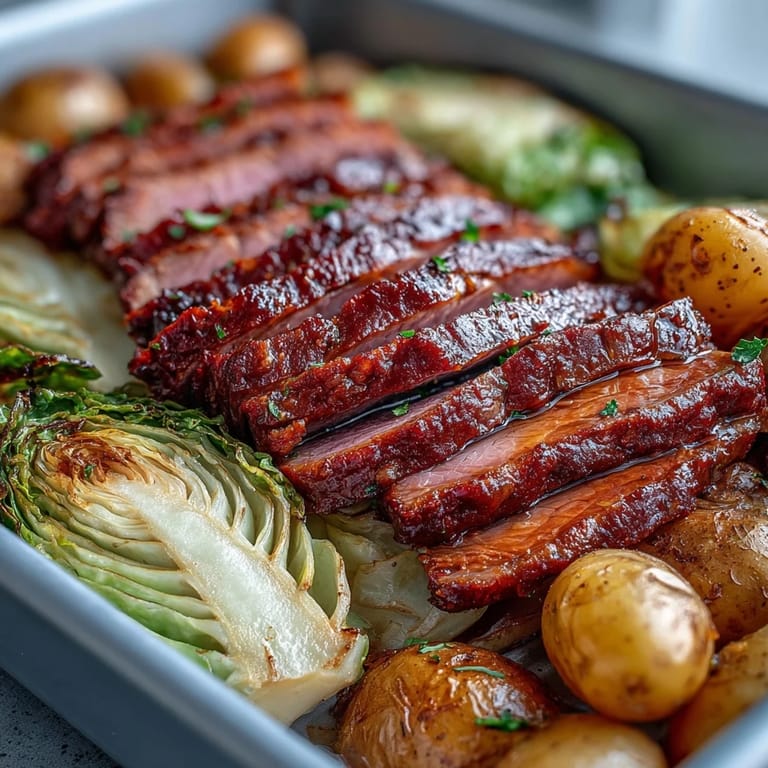
Save There's something almost rebellious about making corned beef and cabbage on a Tuesday night instead of waiting for St. Patrick's Day. I discovered this sheet pan version when I was genuinely too tired to manage multiple pots, and what started as a lazy shortcut became my favorite way to make this classic. The magic happens when everything roasts together—the cabbage gets crispy at the edges, the potatoes turn golden, and the corned beef picks up this subtle char that the traditional boiling method never quite achieves. It's comfort food that doesn't require you to stand at the stove, which honestly felt like a small miracle that evening.
I made this for my neighbor who'd just moved in, and she was genuinely surprised that corned beef could taste this vibrant and not heavy. Watching her plate load up with the crispy cabbage wedges and perfectly caramelized potatoes reminded me that sometimes the best version of a classic dish is just a small twist on what we already know. She's made it three times since that dinner, and honestly, that felt like the highest compliment.
Ingredients
- Cooked corned beef, sliced into 1 cm (½ inch) thick slices: Using already-cooked corned beef is the secret to keeping this a quick weeknight meal—you're really just warming and crisping it, which means there's no guessing on doneness.
- Green cabbage, cut into 2.5 cm (1 inch) wedges: Cutting it into wedges instead of shredding keeps the texture firm and lets the edges char beautifully, which is where all the flavor happens.
- Baby potatoes, halved: The smaller size means they cook through in the time the vegetables need, and you don't need to peel them, which saves precious minutes.
- Large carrots, peeled and cut into 2.5 cm (1 inch) pieces: Cutting them uniform in size ensures they roast evenly and don't end up with some raw and some mushy.
- Large yellow onion, cut into thick wedges: The thickness lets them stay intact and caramelize rather than fall apart into the pan.
- Olive oil: This is what creates the char and helps the seasonings stick, so don't skimp or substitute with spray.
- Kosher salt, freshly ground black pepper, dried thyme, dried parsley, and garlic powder: These seasonings complement the corned beef's natural saltiness without overpowering it—the thyme especially brings out the earthiness of the roasted vegetables.
- Whole grain mustard for serving: This is optional, but it adds a bright tang that cuts through the richness, so I always have it nearby.
Tired of Takeout? 🥡
Get 10 meals you can make faster than delivery arrives. Seriously.
One email. No spam. Unsubscribe anytime.
Instructions
- Set your oven temperature and prep your pan:
- Preheat to 220°C (425°F) and line your sheet pan with parchment paper or foil—this high heat is what creates the caramelization, and the lining saves you from scrubbing later. Trust me, this step matters more than you'd think.
- Coat the vegetables evenly:
- In a large bowl, toss potatoes, carrots, onion, and cabbage with olive oil and all the seasonings until every piece is glistening. This is where the flavor gets distributed, so don't rush this part.
- Start the vegetables:
- Spread everything evenly on the prepared pan and roast for 25 minutes, stirring halfway through. You'll know you're halfway when the kitchen starts smelling incredible and the potatoes are starting to turn golden.
- Add the corned beef:
- Carefully pull the pan out, push the vegetables aside, and nestle the corned beef slices among them. This staggered cooking keeps the meat from drying out while the vegetables finish.
- Finish roasting:
- Return to the oven for another 15 minutes until the vegetables are completely tender and the corned beef has developed crispy edges. The edges of the cabbage should be dark and slightly charred—that's the good stuff.
- Serve:
- Pull everything onto plates while it's hot, with whole grain mustard on the side if you like. The textures are best enjoyed immediately when the vegetables are still crackling slightly.
 Save
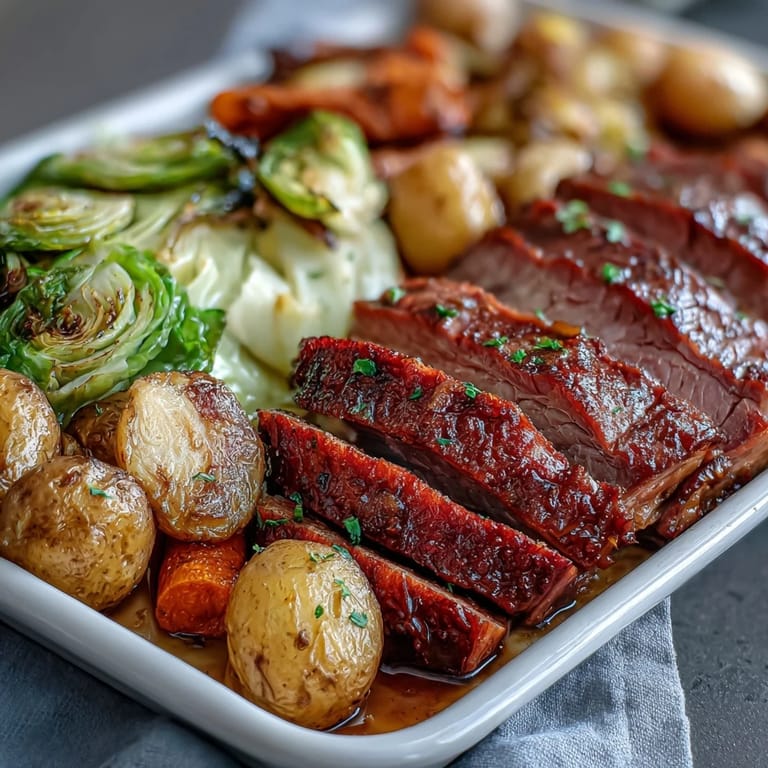
Save The moment that turned this recipe into something I make regularly was when my teenage son actually asked for seconds without me having to persuade him. He's at the age where everything I cook gets a polite nod, so when he went back for more roasted cabbage, I knew I'd stumbled onto something that worked. It's those small, unexpected wins in the kitchen that keep you experimenting.
Why Sheet Pan Roasting Changes Everything
Traditional boiled corned beef and cabbage is comfort food, but there's something about the dry heat of roasting that transforms it entirely. The cabbage develops crispy, almost charred edges that wouldn't exist in a pot of water, and the potatoes and carrots caramelize instead of just softening. When the corned beef joins in during the final stretch, it picks up a subtle crispness on the edges rather than staying uniformly soft. This method respects the classic dish while making it feel fresher and more interesting.
Making It Your Own
This recipe is flexible enough to adapt to what you have on hand or what you're craving that particular week. I've swapped in sweet potatoes for regular ones when I wanted something slightly sweeter, and I've added a pinch of crushed red pepper to the seasoning mix when I wanted a bit of heat. The beauty is that roasting brings out the best in whatever vegetables you choose, so you're not locked into one exact combination.
Next Day Ideas and Storage
Leftovers from this dish are almost better than the original meal because you can chop everything up and make a hash the next morning, which has become my favorite weekend breakfast. Just dice whatever's left, warm a skillet with a bit of butter or oil, and fry until the edges get crispy again. The flavors have actually melded overnight, making the hash taste more developed and intentional than the fresh version.
- Store leftovers in an airtight container in the refrigerator for up to three days, and reheat gently in a 180°C (350°F) oven to restore some of the texture.
- For the absolute best next-day hash, chop everything and let it sit overnight so the flavors can fully integrate.
- Freeze any extras in portions for up to two months, though the vegetables will be softer when thawed—perfect for hash or mixed into soups.
 Save
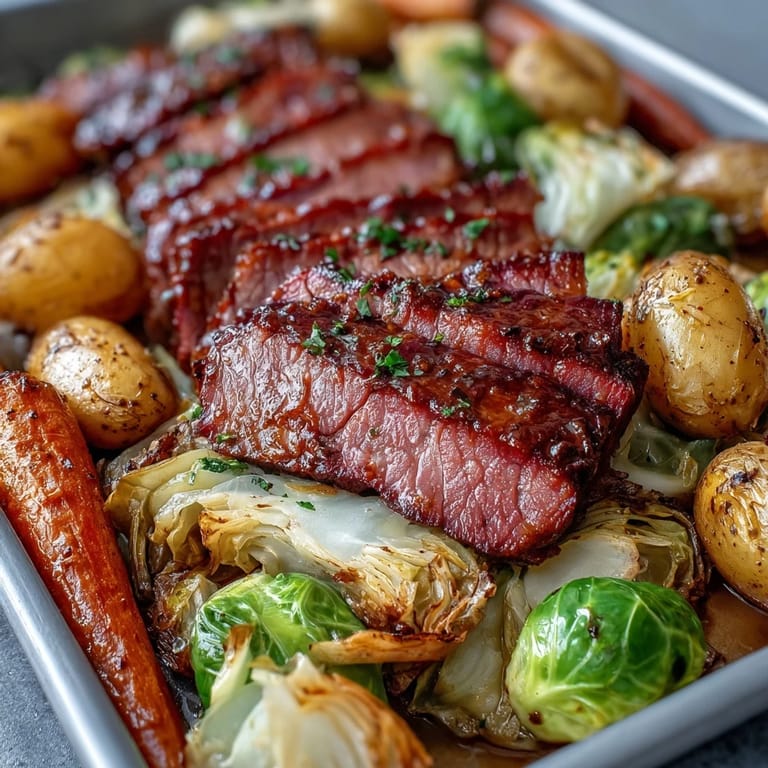
Save This sheet pan dinner has become the dish I make when I want something that feels substantial but doesn't require me to be glued to the kitchen. It's proof that sometimes the best improvement to a classic is simply changing how you cook it.
Common Recipe Questions
- → Can I use fresh corned beef or only cooked slices?
Cooked slices are recommended for even heating and crisp edges. Using fresh corned beef requires additional cooking time and may alter texture.
- → What vegetables work best with this dish?
Cabbage, baby potatoes, carrots, and onion are ideal for roasting together, providing varied textures and natural sweetness.
- → How do I get the vegetables tender but not mushy?
Tossing with olive oil and roasting at 220°C (425°F), stirring halfway, ensures even cooking and maintains a slight crispness.
- → Is whole grain mustard necessary?
It’s optional but adds a nice tangy flavor that complements the savory beef and vegetables nicely.
- → Can I add other spices for extra flavor?
Yes, crushed red pepper adds heat, and herbs like thyme and parsley can be adjusted based on your preference.
- → Can sweet potatoes replace baby potatoes?
Substituting sweet potatoes offers a different flavor profile and sweetness, pairing well with the savory elements.