 Save
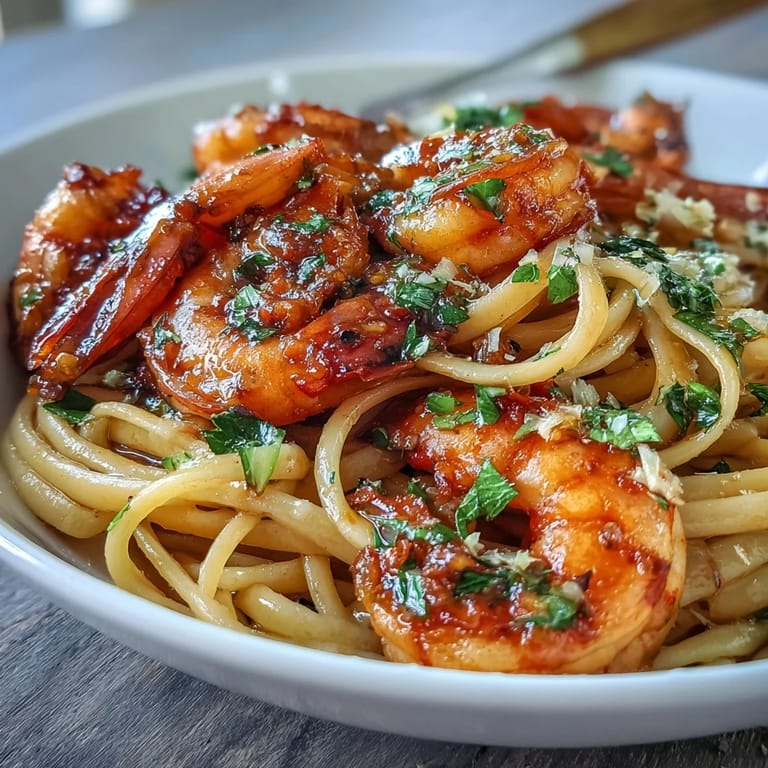
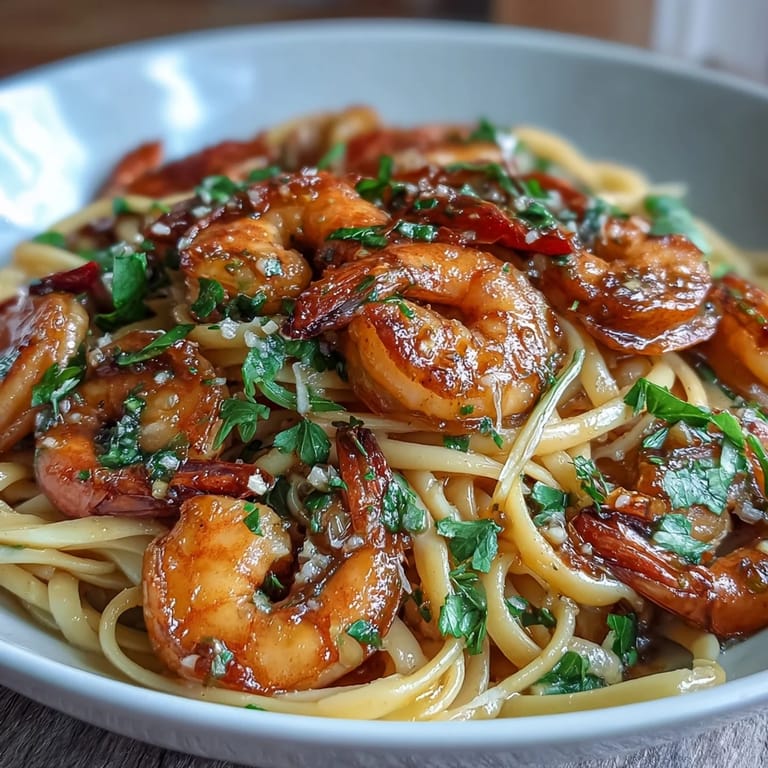
Save Tuesday nights used to mean takeout until I realized how quickly shrimp could transform into something restaurant-worthy at home. There's something almost magical about the moment garlic and chili hit hot oil, filling your kitchen with that unmistakable aroma that makes everyone wander into the kitchen asking what's for dinner. This linguine came together by accident one evening when I had shrimp defrosting and wanted something faster than my usual repertoire. The first time I plated it, my partner actually put down their phone, which told me everything. Now it's become the dish I make when I want to feel like I'm cooking with intention, not just following orders.
I made this for my sister after she mentioned being bored with her usual weeknight rotation, and watching her actually savor each bite instead of multitasking made the whole thing worthwhile. She's since made it three times and texted me photos of her versions, which I absolutely didn't expect. That's when I realized recipes aren't really about ingredients and steps, they're about giving people permission to cook something that matters without overthinking it.
Ingredients
- Large shrimp (400 g / 14 oz): Peeled and deveined saves you time and mess; I always buy them this way because the last thing you want mid-cooking is fidgeting with shells.
- Linguine (350 g / 12 oz): Flat ribbons catch the oil and sauce better than round pasta, but honestly spaghetti or fettuccine work in a pinch.
- Garlic (5 cloves): Thinly sliced so it gets crunchy and golden rather than burnt and bitter, which makes all the difference between delicious and regrettable.
- Red chili peppers (1–2): Fresh gives you better heat control than flakes, and you can see exactly how much spice you're adding before it's too late.
- Fresh flat-leaf parsley (1 small bunch): Chopped just before serving so it stays bright and doesn't turn dark and sad sitting in a bowl.
- Lemon zest and juice: The zest goes in early for subtle flavor, the juice at the end for that final pop of brightness that ties everything together.
- Extra-virgin olive oil (3 tbsp): This is your cooking medium and half your sauce, so don't cheap out or use something that'll smoke and burn.
- Dry white wine (2 tbsp optional): Adds depth without heaviness, though water mixed with a splash of lemon juice works fine if you're avoiding alcohol.
- Salt and freshly ground black pepper: Season in layers as you cook rather than dumping it all in at once, and you'll have better control over the final taste.
Tired of Takeout? 🥡
Get 10 meals you can make faster than delivery arrives. Seriously.
One email. No spam. Unsubscribe anytime.
Instructions
- Get the pasta going:
- Boil a big pot of salted water (it should taste like the sea) and cook your linguine to al dente, which means it still has a little resistance when you bite into it. The moment it's done, fish out and reserve about half a cup of that starchy cooking water before draining everything, because that liquid is going to be your secret weapon for pulling the whole dish together.
- Wake up the oil:
- While pasta cooks, pour olive oil into your largest skillet and set it over medium heat, then add the thinly sliced garlic and chili. Let them sizzle gently for about 1 to 2 minutes until the kitchen smells absolutely irresistible, but pull them off before they turn golden brown or they'll turn bitter and harsh.
- Cook the shrimp:
- Toss in your shrimp, season them lightly with salt and pepper, and let them sit undisturbed for a minute before stirring so they get a little color. They'll turn from gray to bright pink in just 2 to 3 minutes, and that's your signal they're done; overcooked shrimp gets rubbery fast, so watch them like you mean it.
- Optional deglazing:
- If you're using wine, pour it into the pan and let it bubble for about 30 seconds while you scrape up any browned bits clinging to the bottom. This step adds sophistication and is honestly worth the extra minute, but skip it if you're in a hurry.
- Bring it all together:
- Add your drained linguine directly into the skillet with the shrimp and oil, then pour in just enough of that reserved pasta water to make everything silky and cohesive. Toss everything for a minute so the pasta absorbs all that garlic-chili goodness, then squeeze in your lemon juice and taste as you go.
- Finish and serve:
- Pull the pan off the heat, stir in your chopped parsley so it stays bright and fresh, and give everything one final taste to see if it needs more salt or pepper. Serve immediately while it's still hot and the flavors are singing.
 Save
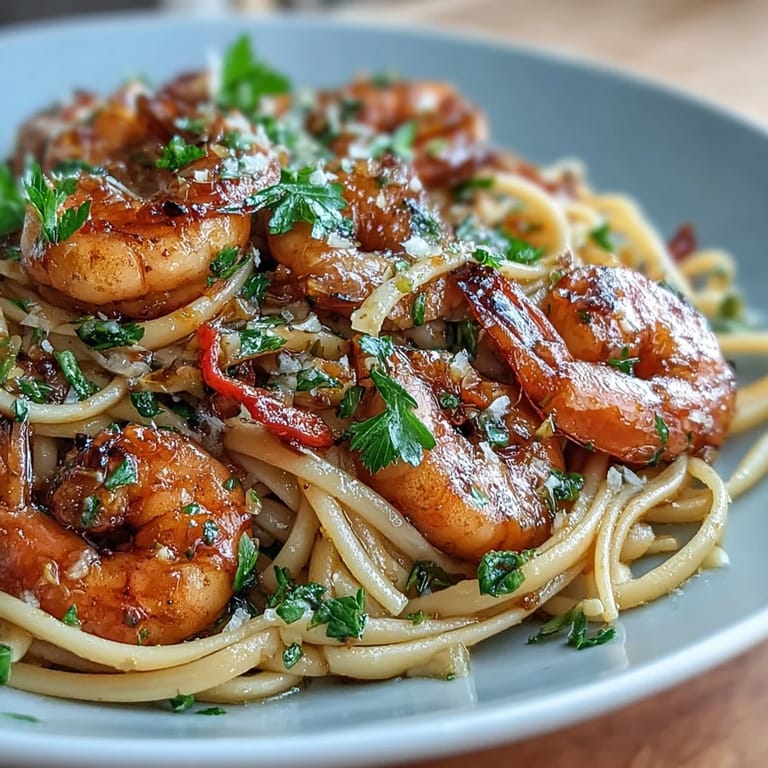
Save There was a moment when my friend took a bite and literally closed their eyes, and I realized this dish had crossed over from recipe into something that brought actual joy. That's the power of simplicity done right, when you stop trying to impress and just let good ingredients speak for themselves.
The Secret Behind the Sauce
The magic here isn't in some complex technique or hard-to-find ingredient, it's understanding that your pasta water is liquid gold. That starchy water emulsifies with the oil to create a silky coating that clings to every strand of linguine, turning what could be a dry, sad plate into something that tastes like you actually know what you're doing. I learned this by accident once when I forgot to reserve the water and had to salvage the dish by adding more oil, which just made it greasy. Now I always eyeball that reserve step first, before anything else.
Adjusting the Heat to Your Taste
The amount of chili in this dish is deliberately modest because heat builds and lingers, and there's nothing worse than making something unpalatable for half your guests in the name of authenticity. If you love fire, add extra sliced chili peppers or a generous pinch of red pepper flakes, but do it before you add the shrimp so you can taste as you go. I've learned that people who say they like spicy often change their tune mid-bite, so it's always better to start conservative and let people add more at the table.
Timing and Teamwork
This dish teaches you something important about cooking, which is that everything needs to finish at almost exactly the same moment or the whole thing falls apart. If your linguine is done but the shrimp is still cooking, you're eating overcooked pasta; if the shrimp is done and you're still waiting for pasta, the oil gets cold and heavy. My strategy is to start the water first, then prep my aromatics while waiting for the boil, so that the moment I add the pasta I can start my skillet. Once you've made this once or twice, the rhythm becomes muscle memory and you'll start understanding how to layer timing in other dishes too.
- Get everything chopped and measured before you turn any heat on, because shrimp waits for no one.
- Taste the dish three times as you build it, starting with just the garlic oil, because that's how you catch mistakes early.
- If your pasta finishes before your shrimp, drain it but toss it with a splash of olive oil so it doesn't stick together while you wait.
 Save
Save This is the dish that taught me that some of the best meals are the ones that don't require you to be a chef, just someone willing to show up and pay attention for 30 minutes. Make it once and it becomes yours forever.
Common Recipe Questions
- → What type of shrimp is best to use?
Large, peeled, and deveined shrimp work best to ensure tenderness and quick cooking.
- → Can I substitute the linguine with another pasta?
Yes, spaghetti or fettuccine can be used as alternatives without affecting the dish’s flavor.
- → How spicy is the dish?
The heat depends on the amount of chili used; adjusting the chili peppers or flakes controls the spice level.
- → Is the white wine necessary in the cooking process?
The white wine is optional and adds a subtle acidity and depth; it can be omitted if preferred.
- → How do I keep the linguine from sticking together?
Reserve some pasta water before draining and toss it with the linguine and sauce to help keep the pasta smooth and cohesive.